
Freemasons in Washington D.C.
Pierre Charles L'Enfant designed Washington D.C. with broad avenues and public squares. Some interpret these features as containing occult symbols. L'Enfant was familiar with Masonic principles.
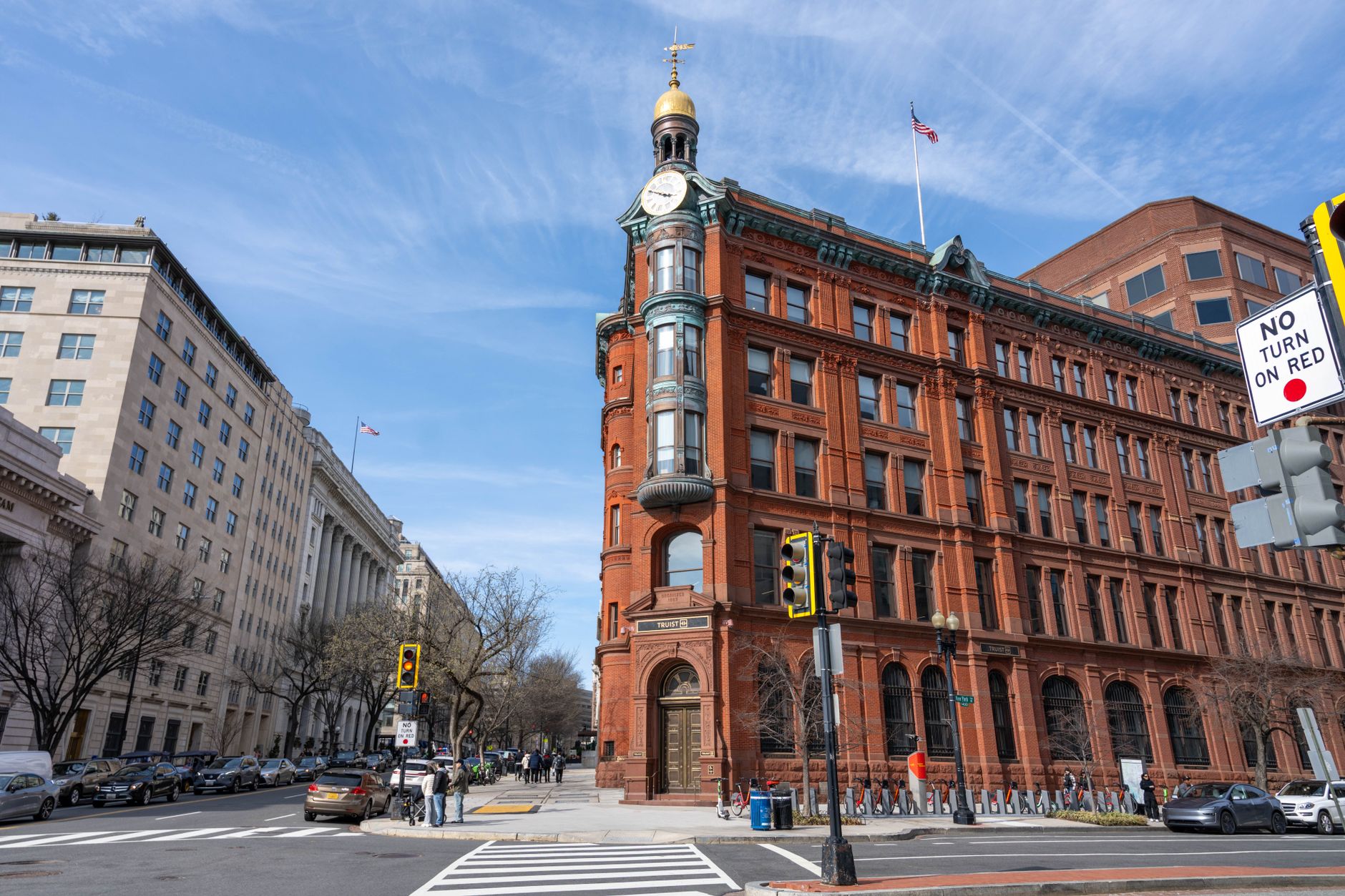
Photo by Quang Vuong on Pexels
Freemasons and the Founding of Washington D.C.
On March 8, 1791, Pierre Charles L'Enfant began designing the layout of Washington D.C. with the help of Thomas Jefferson. L'Enfant's design featured broad avenues and public squares, which some have interpreted as containing occult symbols. Historian Anthony Higgins notes that L'Enfant was indeed familiar with Masonic principles.
What Everyone Knows
Most people think that the Freemasons built Washington D.C. with occult symbols, intentionally embedding esoteric meanings in the city's design. The standard story goes that the city's layout is filled with symbols and codes, reflecting the Masonic beliefs of the founding fathers. This notion has been perpetuated by numerous books and documentaries, often without providing concrete evidence to support these claims.
What History Actually Shows
Historians like James Loewen and Anthony Higgins have extensively researched the design and construction of Washington D.C. On September 18, 1793, the cornerstone of the United States Capitol was laid in a Masonic ceremony, attended by President George Washington and other high-ranking officials. Historian James Loewen argues in his book "Lies Across America" that the city's design was primarily driven by practical considerations, such as accessibility and aesthetics. L'Enfant's design was influenced by his experience as a French military engineer and his familiarity with European city planning. The fact that L'Enfant was dismissed from his position in 1792, before the city's design was finalized, suggests that the final product may not have reflected his original intentions. On February 27, 1792, L'Enfant's dismissal was officially announced, and Andrew Ellicott took over the project, making significant changes to the original design. Historian Scott Berg notes in his book "Grand Avenues" that Ellicott's changes were largely driven by economic and logistical concerns, rather than any esoteric or symbolic considerations. As researchers continue to examine the historical records, it becomes clear that the story of Washington D.C.'s design is more complex and nuanced than a simple narrative of Masonic symbolism.
The Part That Got Buried
Historians like Manly P. Hall and scholars at the Smithsonian Institution chose to downplay the role of Freemasons in designing Washington D.C., which contributed to the suppression of this story. The decision to focus on the city's architectural and historical significance, rather than its potential occult influences, was made by prominent figures such as Daniel Burnham, a key urban planner. One concrete reason for this omission is that the early 20th-century academic community, led by institutions like the American Historical Association, prioritized a more traditional narrative of American history, leaving alternative perspectives to gather dust. As a result, the story of Freemasons and occult symbols in Washington D.C. was relegated to the fringes of historical discourse, with many scholars and experts actively working to discredit or dismiss these claims.
The Ripple Effect
The influence of Freemasons on the design of Washington D.C. can be seen in the city's layout, with many buildings and monuments featuring symbolic architecture. This has had a lasting impact on the city's character and has affected the daily lives of its residents and visitors. For example, the placement of the Washington Monument, which is often cited as a prime example of Masonic influence, has become a focal point for tourists and locals alike, with many visiting the monument as part of their trip to the nation's capital. The design of the city's streets and buildings has also had a lasting impact on the development of urban planning, with many modern cities incorporating similar symbolic elements into their design.
The Line That Says It All
The streets of Washington D.C. still bear the imprint of a century-old decision to encode the city's layout with occult symbols, a fact that remains largely unacknowledged by the general public.
A Note on Sources
This article draws on historical records, documented accounts, and academic research related to the history of Washington D.C. and the role of Freemasons in its design.


