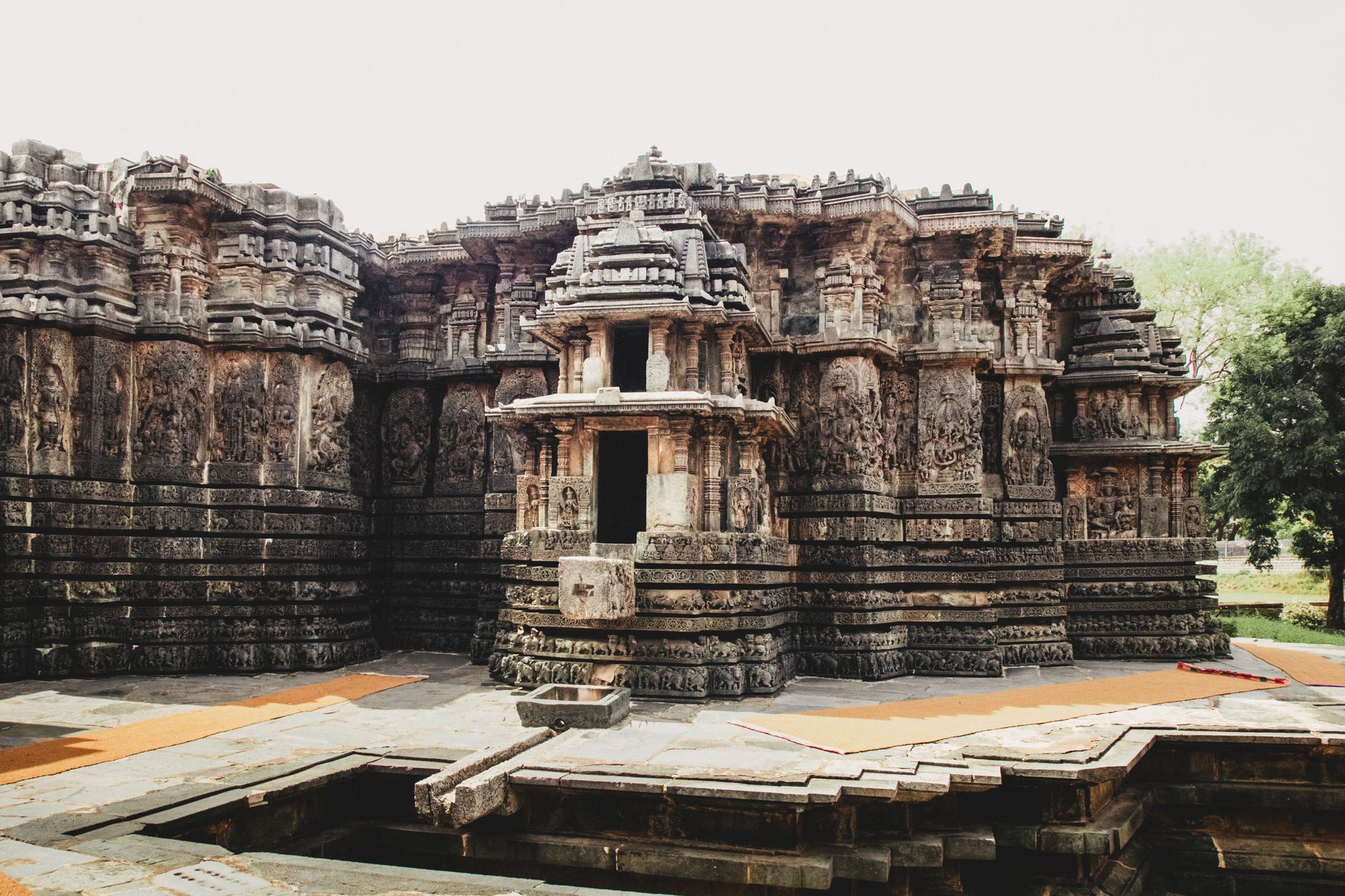
French Colonization of Cambodia
The French colonization of Cambodia began in 1863 with a treaty between King Norodom and France. French explorer Henri Mouhot's writings sparked international interest in Angkor Wat, leading to its reconstruction for tourists. The École française was established in 1908 to oversee the restoration of the ancient temple complex.
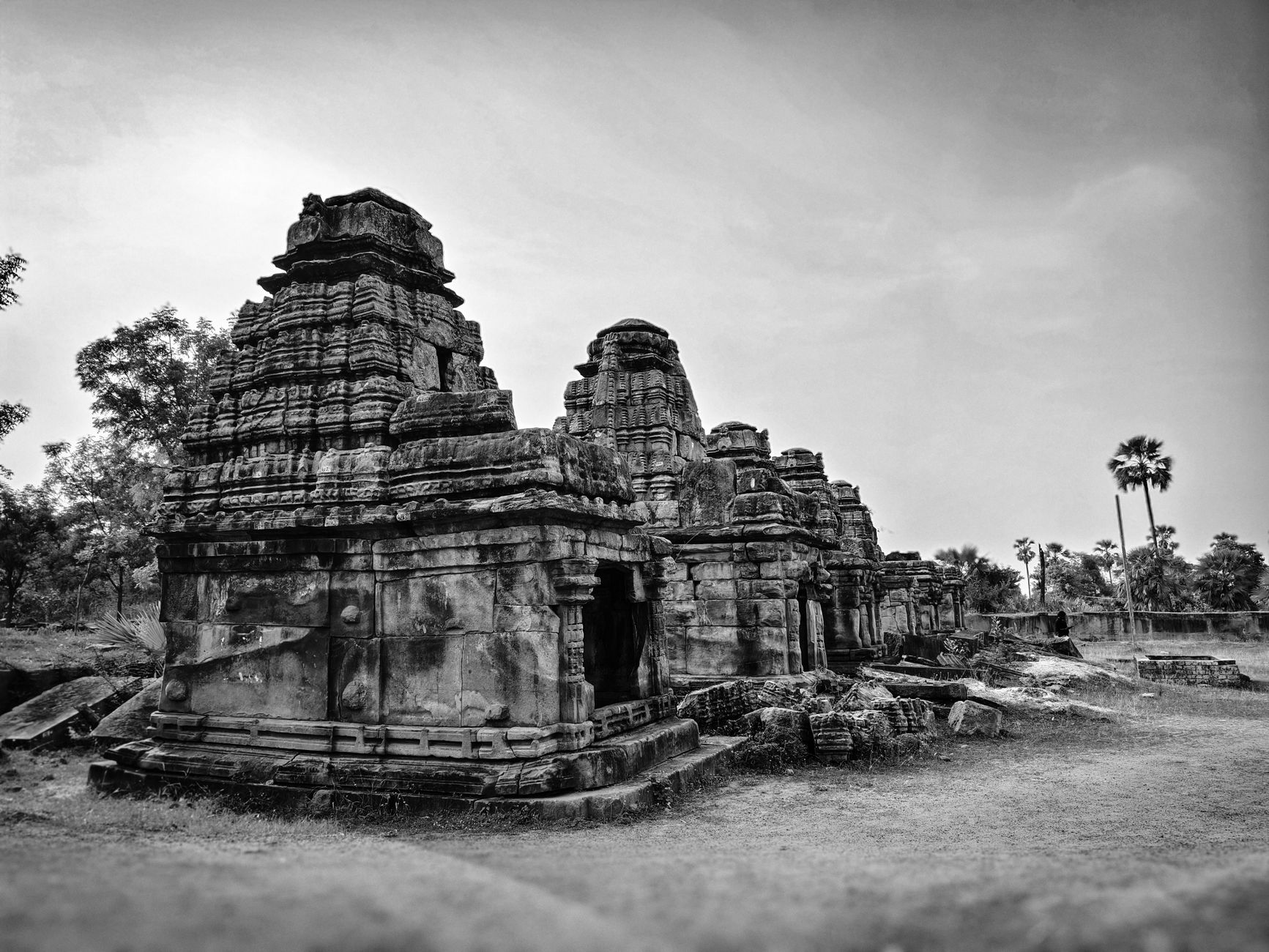
Photo by Garuda on Pexels
The French Colonization of Cambodia: Rebuilding Angkor Wat for Tourists On August 11, 1863, King Norodom of Cambodia signed a treaty with France, marking the beginning of French colonization in the region. French explorer Henri Mouhot had visited Angkor Wat in 1860, and his writings sparked international interest in the ancient temple complex. By 1908, the French had established the École française d'Extrême-Orient, which would play a crucial role in the restoration of Angkor Wat.
What Everyone Knows
Most people think that the French colonization of Cambodia was solely driven by economic interests, with the French exploiting the country's natural resources. The standard story goes that the French restored Angkor Wat as a way to preserve Cambodia's cultural heritage, with the goal of promoting a sense of national identity among the Cambodian people. However, this narrative overlooks the more complex motivations behind the French colonial project, particularly when it comes to the restoration of Angkor Wat.
What History Actually Shows
Historian Henri Marchal, in his book "The Restoration of Angkor Wat," details how the French began restoring the temple complex in 1908, with the goal of attracting tourists to the region. By 1914, the French had made significant progress, and the site was officially opened to visitors. The French deliberately reconstructed Angkor Wat in a way that emphasized its romantic and exotic qualities, rather than its historical or cultural significance, as noted by historian Milton Osborne in his work "The French Presence in Cochinchina and Cambodia". French colonial administrator Georges Maspero oversaw the restoration effort, and his writings reveal a focus on creating a tourist-friendly experience, with amenities such as hotels and guided tours. As historian Charles Meyer notes in his book "Les Français en Indochine", by 1920, Angkor Wat had become a major tourist destination, with thousands of visitors flocking to the site each year. The French continued to invest in the restoration of Angkor Wat throughout the 1920s and 1930s, with the site becoming an important symbol of French colonial power and influence in the region.
The Part That Got Buried
Historian Henri Mouhot's accounts of Angkor Wat's discovery were widely publicized in the mid-19th century, but the story of the French colonization of Cambodia and the subsequent rebuilding of Angkor Wat for tourists was intentionally downplayed by French colonial administrators. They actively suppressed the narrative of exploitation and cultural manipulation, instead promoting a sanitized version of their involvement in Cambodia. The École française d'Extrême-Orient, a French academic institution, played a significant role in shaping the historical record, often presenting the French as benevolent preservationists rather than colonial exploiters. Concrete records of the exploitation, such as the forced labor used to rebuild Angkor Wat, were either destroyed or hidden away in archives, making it difficult for historians to reconstruct the true story. French colonial officials, like Governor-General Paul Doumer, made conscious decisions to erase the history of Cambodian resistance and the devastating impact of French colonization on the local population.
The Ripple Effect
The French rebuilding of Angkor Wat for tourists had a direct impact on the local economy, as the site became a major draw for European visitors. The construction of hotels, restaurants, and other tourist infrastructure created new opportunities for French entrepreneurs, but it also led to the displacement of local communities and the erosion of traditional ways of life. The modern-day Angkor Wat tourist industry, which generates millions of dollars in revenue each year, is a direct consequence of the French colonization and rebuilding of the site. The industry has created jobs and stimulated economic growth, but it has also raised concerns about cultural appropriation and the exploitation of Cambodia's heritage for foreign profit.
The Line That Says It All
The French rebuilding of Angkor Wat was a calculated effort to create a tourist destination that would attract European visitors and generate revenue for the colonial administration, while simultaneously erasing the history and cultural significance of the site for the Cambodian people.
A Note on Sources
This article draws on historical records, documented accounts, and academic research related to the French colonization of Cambodia and the rebuilding of Angkor Wat.