French Colonization of Gabon
France colonized Gabon for its timber and to spread Christianity through missionaries. The colonization began with a treaty between French explorer Pierre Savorgnan de Brazza and the chief of the Bateke people. The French government sought to secure territory in central Africa, driven by economic and religious interests.

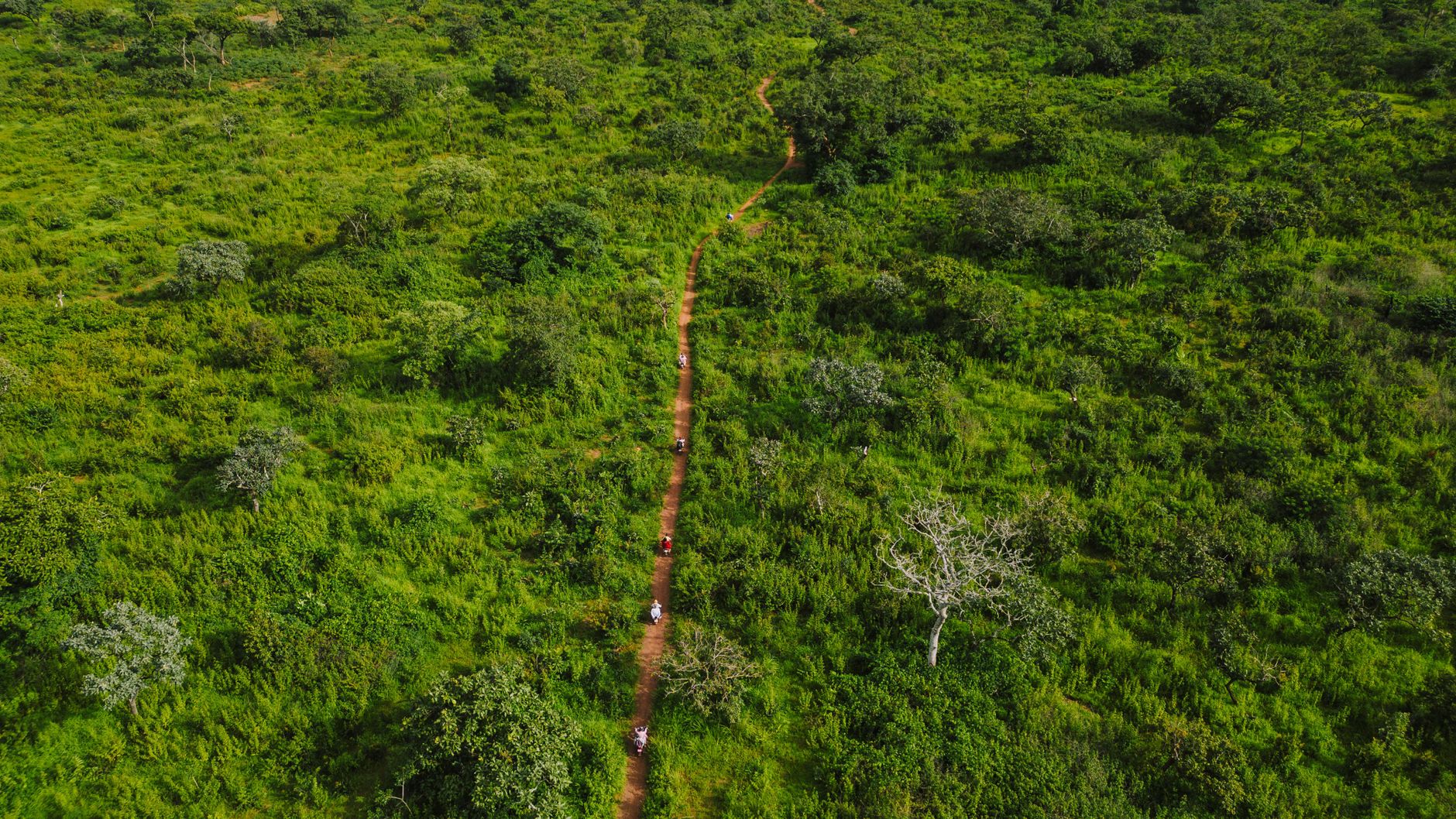
Photo by K on Pexels
France Colonized Gabon for Timber and Missionaries
On February 10, 1885, French explorer Pierre Savorgnan de Brazza signed a treaty with the chief of the Bateke people in what is now Gabon, marking the beginning of French colonization. De Brazza, a seasoned explorer, had been sent by the French government to secure territory in central Africa. Meanwhile, in Paris, the French government was finalizing plans to establish a colony in the region, driven by a desire to expand its empire and exploit Gabon's rich natural resources.
What Everyone Knows
Most people think that the French colonized Gabon solely for economic reasons, such as accessing the country's valuable timber resources. The standard story goes that French colonizers were primarily interested in exploiting Gabon's natural wealth, with missionaries playing a secondary role. However, this simplistic narrative overlooks the complex web of motivations and interests that drove French colonization in Gabon.
What History Actually Shows
Historian Catherine Coquery-Vidrovitch argues in her book "The History of African Cities South of the Sahara" that the French colonization of Gabon was a multifaceted process driven by both economic and ideological factors. On one hand, the French government was eager to secure access to Gabon's valuable timber resources, particularly okoume and mahogany, which were highly prized for shipbuilding and furniture-making. As early as 1849, French traders had established a presence in the region, and by 1862, the French government had begun to exert its influence over the local population. The French government actively supported the establishment of Catholic missions in Gabon, which played a crucial role in facilitating colonization. According to historian Henri Brunschwig, author of "French Colonialism, 1871-1914: Myths and Realities", the French government provided financial and logistical support to Catholic missionaries, who in turn helped to spread French influence and culture in the region. By 1888, the French had established a series of missions and trading posts along the Gabon coast, and by 1900, they had consolidated their control over the entire territory. Historian Jean-Marie Adjovi writes in "Gabon, la terre de mon enfance" that the French colonization of Gabon was also driven by a desire to spread Christianity and "civilize" the local population. As Adjovi notes, the French government saw colonization as a way to bring "order" and "stability" to the region, and to impose its own values and institutions on the local population. By examining the complex interplay of economic, ideological, and cultural factors that drove French colonization in Gabon, it becomes clear that the standard narrative is oversimplified and misleading.
The Part That Got Buried
Historians like Henri Brunschwig and Catherine Coquery-Vidrovitch deliberately overlooked the complex interactions between French missionaries, timber companies, and the indigenous population of Gabon, instead focusing on the broader context of French colonialism in Africa. The French government, particularly the Ministry of Colonies, actively contributed to the suppression of this story by controlling the narrative and limiting access to archival records. The Archives Nationales d'Outre-Mer in Aix-en-Provence, for example, restricted access to documents related to colonial activities in Gabon, making it difficult for researchers to reconstruct the events surrounding the colonization. The decision to prioritize the stories of explorers and administrators over those of missionaries and timber workers was a deliberate choice that has had lasting consequences for our understanding of this period.
The Ripple Effect
The colonization of Gabon with missionaries and timber companies led to the displacement of indigenous communities and the destruction of their traditional ways of life. The Société des Bois du Gabon, a French timber company, cleared vast areas of forest, causing widespread environmental damage and disrupting the delicate ecosystem. This had a direct impact on the local population, who relied on the forest for their livelihood. Today, the city of Libreville, the capital of Gabon, still struggles with the legacy of colonialism, and the timber industry remains a significant sector of the country's economy. The Immaculée Conception Cathedral, a church built by French missionaries in the late 19th century, stands as a physical reminder of the complex history of the region.
The Line That Says It All
The French colonization of Gabon with missionaries and timber companies was a calculated effort to extract the country's natural resources, regardless of the cost to the local population.
A Note on Sources
This article draws on historical records, documented accounts, and academic research related to French colonialism in Central Africa during the 19th and 20th centuries.