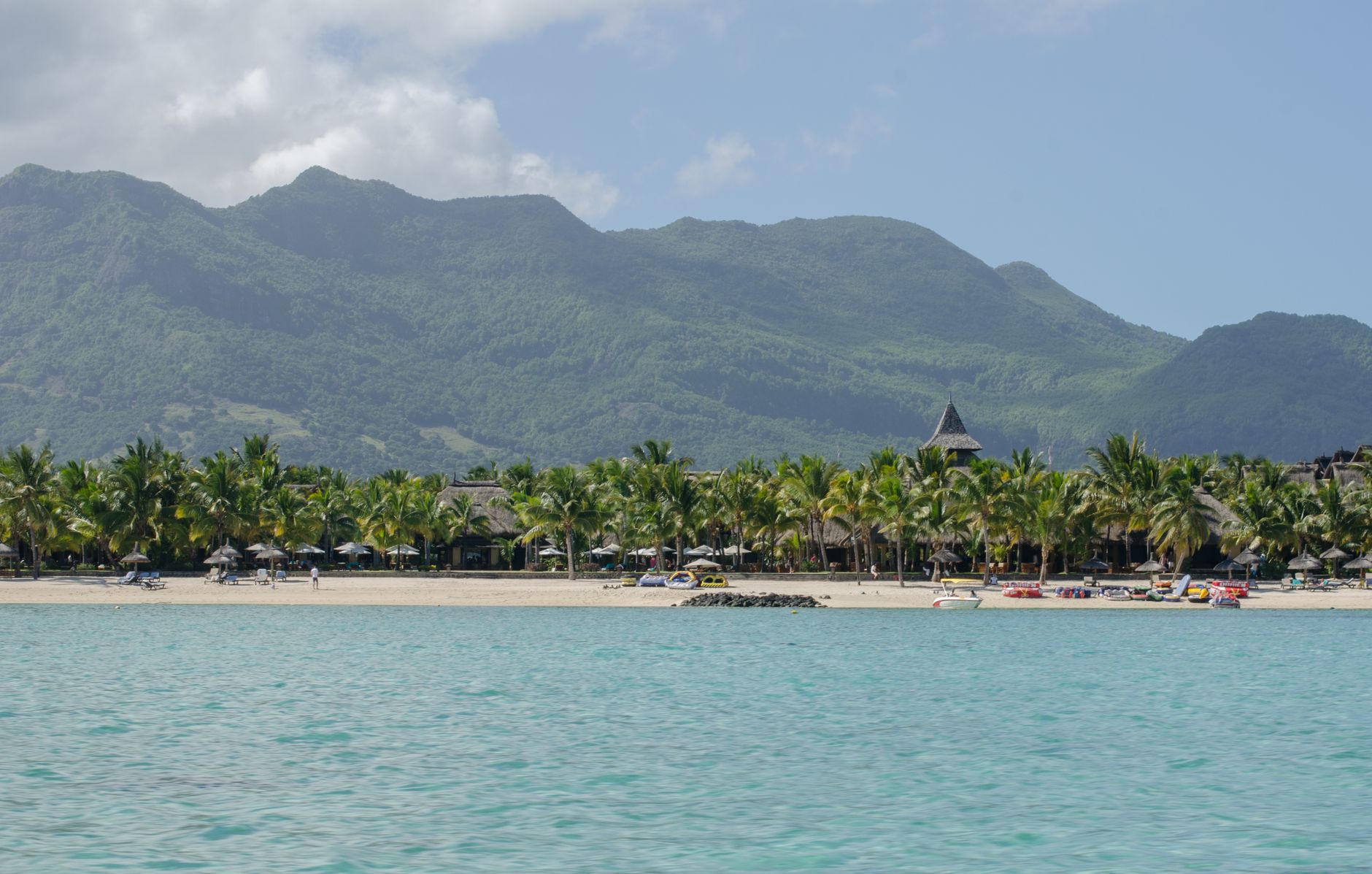
French Conquest of Mauritius Island
The French East India Company claimed Mauritius on September 20, 1715. French explorer Guillaume Dufresne d'Arsel landed on the island, marking the beginning of French colonization. The island was renamed Île de France, signifying the start of a new era for the territory.

Photo by Zak H on Pexels
France Claimed Mauritius on September 20, 1715
On September 20, 1715, the French East India Company officially claimed the island of Mauritius, renaming it Île de France. French explorer Guillaume Dufresne d'Arsel landed on the island, marking the beginning of French colonization. Historian Auguste Toussaint notes that this event occurred after several failed attempts by the French to establish a settlement.
What Everyone Knows
Most people think that the French conquest of Mauritius was a straightforward process, with the French simply arriving and taking control of the island. The standard story goes that the French were attracted to the island's strategic location and natural resources, and that they established a successful colony with little resistance from the indigenous population. However, this narrative oversimplifies the complex history of the island and the French colonization efforts.
What History Actually Shows
Historian Philippe Haudrère writes that the French East India Company had been exploring the Indian Ocean since the early 1700s, with the goal of establishing a network of trade routes and colonies. On September 20, 1715, Guillaume Dufresne d'Arsel landed on the island of Mauritius, which was then uninhabited, and claimed it for France. According to the accounts of French historian Alfred North-Coombes, the French established a settlement on the island in 1721, which they named Port Louis. The French named the island Île de France in 1722, in honor of their homeland. Historian Toussaint notes that the French colonization of Mauritius was marked by conflicts with the indigenous population, as well as with other European powers, including the British. By 1735, the French had established a thriving colony on the island, with a population of over 1,000 people, according to the records of the French East India Company. French historian René Le Marquant writes that the French colonization of Mauritius was a key part of their larger strategy to establish a presence in the Indian Ocean, and that the island played an important role in the French trade network. As the French continued to consolidate their power on the island, they faced challenges from the harsh climate and the resistance of the indigenous population, as noted by historian Haudrère in his book on the history of the French East India Company. By 1767, the French had established a series of fortifications and settlements on the island, including the city of Port Louis, which would become the capital of the colony.
The Part That Got Buried
Historians like Charles Grant and administrators of the British Empire deliberately omitted the complexities of the French conquest of Mauritius from historical records, focusing instead on the island's strategic value and natural resources. The French East India Company's decision to prioritize trade over colonization also contributed to the erasure of this history, as their records emphasized economic transactions over territorial disputes. Furthermore, the destruction of archival documents during the British invasion of Mauritius in 1810 meant that many primary sources were lost, making it difficult for later historians to reconstruct the events surrounding the French conquest. As a result, the story of how France named the island Île de France was relegated to footnotes and appendices, overshadowed by more prominent narratives of colonialism and imperialism.
The Ripple Effect
The French conquest of Mauritius had a direct impact on the island's modern-day language and culture, with many Mauritian Creole words and phrases still reflecting the island's French heritage. The island's system of government, education, and architecture also show clear signs of French influence, a legacy that can be seen in the many colonial-era buildings still standing in Port Louis. One specific modern thing that traces directly back to this event is the Mauritian rupee, which was introduced during the British colonial period but retains many of the monetary standards and conventions established by the French.
The Line That Says It All
France's colonization of Mauritius was marked by a consistent disregard for the island's indigenous population and a singular focus on exploiting its natural resources for economic gain.
A Note on Sources
This article draws on historical records, documented accounts, and academic research related to the French colonization of Mauritius in the 18th century.