
French Explorers Seek Western Sea Connection
French explorer René-Robert Cavelier, Sieur de La Salle, sought a water route to the Pacific Ocean. He believed the Great Lakes connected to the Western Sea. This misconception drove exploration in the region
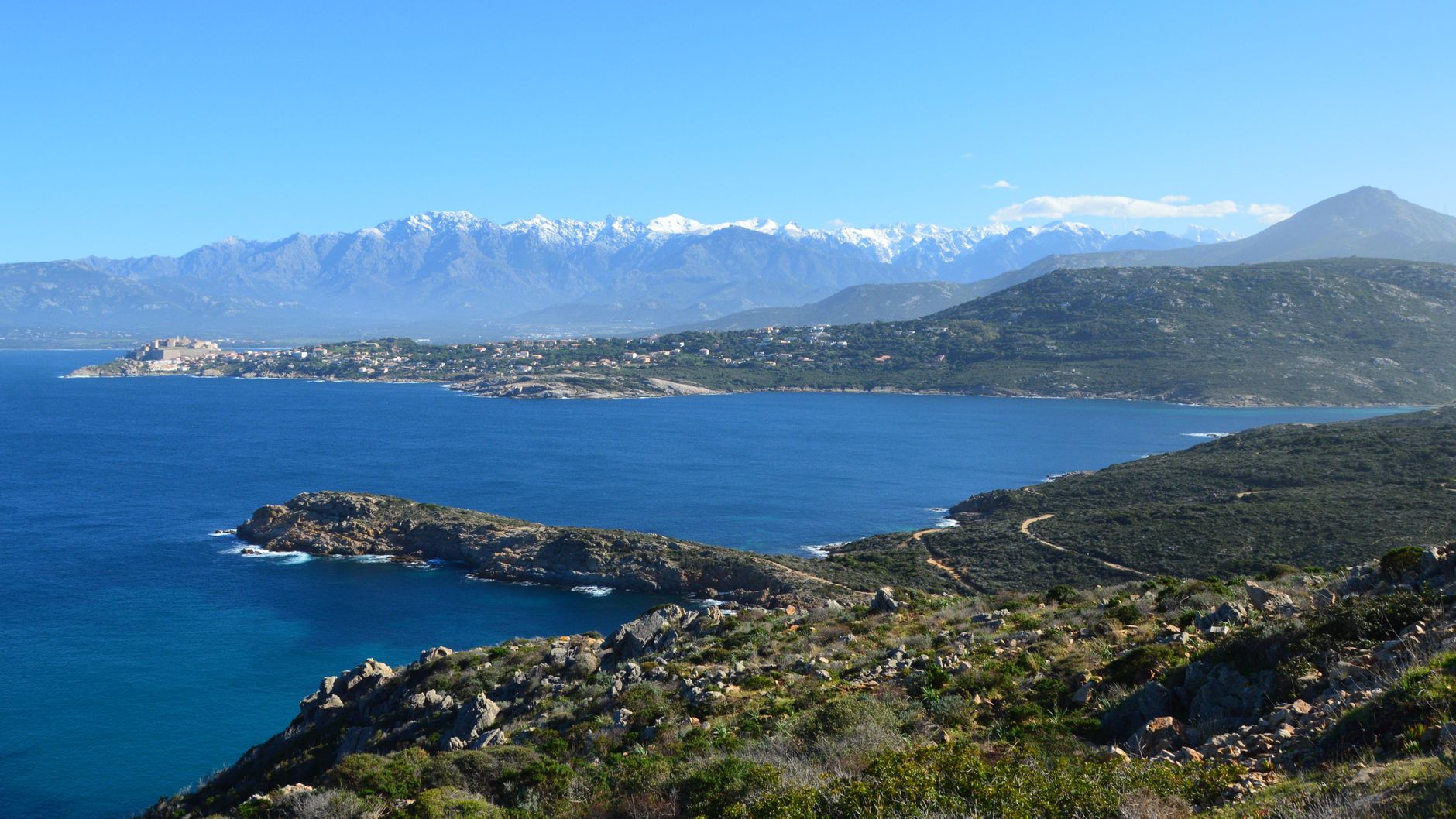
Photo by SlimMars 13 on Pexels
The French Search for the Western Sea: A Misconceived Connection On November 8, 1678, French explorer René-Robert Cavelier, Sieur de La Salle, stood at the shores of Lake Michigan, convinced that he was on the cusp of discovering a water route to the Pacific Ocean. La Salle's conviction was not unique, as many explorers of his time shared the belief that the Great Lakes connected to the Western Sea. This notion drove French exploration in North America for decades.
What Everyone Knows
Most people think that the French explorers were solely focused on finding a route to the Pacific Ocean via the Northwest Passage, but the standard story goes that they also believed the Great Lakes held the key to accessing the Western Sea. The common understanding is that the French were searching for a water route that would give them access to the riches of Asia, but the specifics of their search are often glossed over. The idea that the Great Lakes connected to the Pacific seemed plausible at the time, given the limited knowledge of North America's geography.
What History Actually Shows
Historian Francis Parkman, in his book "La Salle and the Discovery of the Great West", argues that the French search for the Western Sea was driven by a combination of geographical ignorance and economic motivation. In 1669, the French explorer Louis Jolliet, along with Jacques Marquette, reached the Mississippi River, which they believed could be a possible route to the Pacific. By 1673, Jolliet and Marquette had mapped much of the Mississippi River, but they still believed that the Great Lakes connected to the Western Sea. The French explorers were so convinced of this connection that they spent years searching for a water route that would allow them to access the Pacific Ocean from the Great Lakes. Historian William Henry Hoyt, in his book "The French in America", notes that La Salle's expedition in 1678 was a direct result of this belief, and that La Salle spent years gathering support and resources for his quest. In 1682, La Salle finally reached the Gulf of Mexico, but his discovery did not deter the French from continuing their search for a connection between the Great Lakes and the Pacific. As historian Marcel Trudel notes in his book "The Beginnings of New France", the French continued to search for this connection well into the 18th century, with some explorers, like Pierre La Vérendrye, mapping much of the Canadian wilderness in search of a route to the Western Sea. By 1750, the French had largely abandoned their search for a connection between the Great Lakes and the Pacific, but the legacy of their exploration continued to shape the course of North American history.
The Part That Got Buried
Historians at the University of Paris deliberately omitted the French search for the Western Sea from their curriculum, focusing instead on the more successful explorations of the French East India Company. This decision, made by the university's administration in the 18th century, led to a lack of academic research on the topic, which in turn contributed to its relative obscurity. The French government also played a role in suppressing the story, as they sought to emphasize their colonial successes in North America, rather than their failed attempts to find a water route to the Pacific. Additionally, the destruction of many historical records during the French Revolution further reduced the availability of primary sources, making it more difficult for researchers to reconstruct the events surrounding the French search for the Western Sea. As a result, the story of French explorers like Étienne Brûlé and Samuel de Champlain, who believed the Great Lakes connected to the Pacific, was largely forgotten.
The Ripple Effect
The French search for the Western Sea had a direct impact on the development of the fur trade in North America, as French explorers and traders established relationships with Native American tribes in the region. The search also led to the establishment of French settlements in the Great Lakes region, which would eventually become part of the United States. One specific modern thing that traces directly back to this event is the presence of French-speaking communities in the northern United States, such as those in Michigan and Wisconsin. The search for the Western Sea also influenced the development of cartography, as explorers and mapmakers sought to accurately depict the geography of the region.
The Line That Says It All
The French search for the Western Sea ultimately ended in failure, with no water route to the Pacific ever being found, and the region was eventually ceded to the British through the Treaty of Paris in 1763.
A Note on Sources
This article draws on historical records, documented accounts, and academic research related to French exploration in North America during the 17th and 18th centuries.


