
French Monarchy's Ballet Origins
The French monarchy's fascination with ballet began with a grand performance at Chenonceau Castle in 1581. This event marked the start of ballet as a significant part of courtly entertainment. The French kings used ballet to showcase their wealth and elegance, particularly their legs.
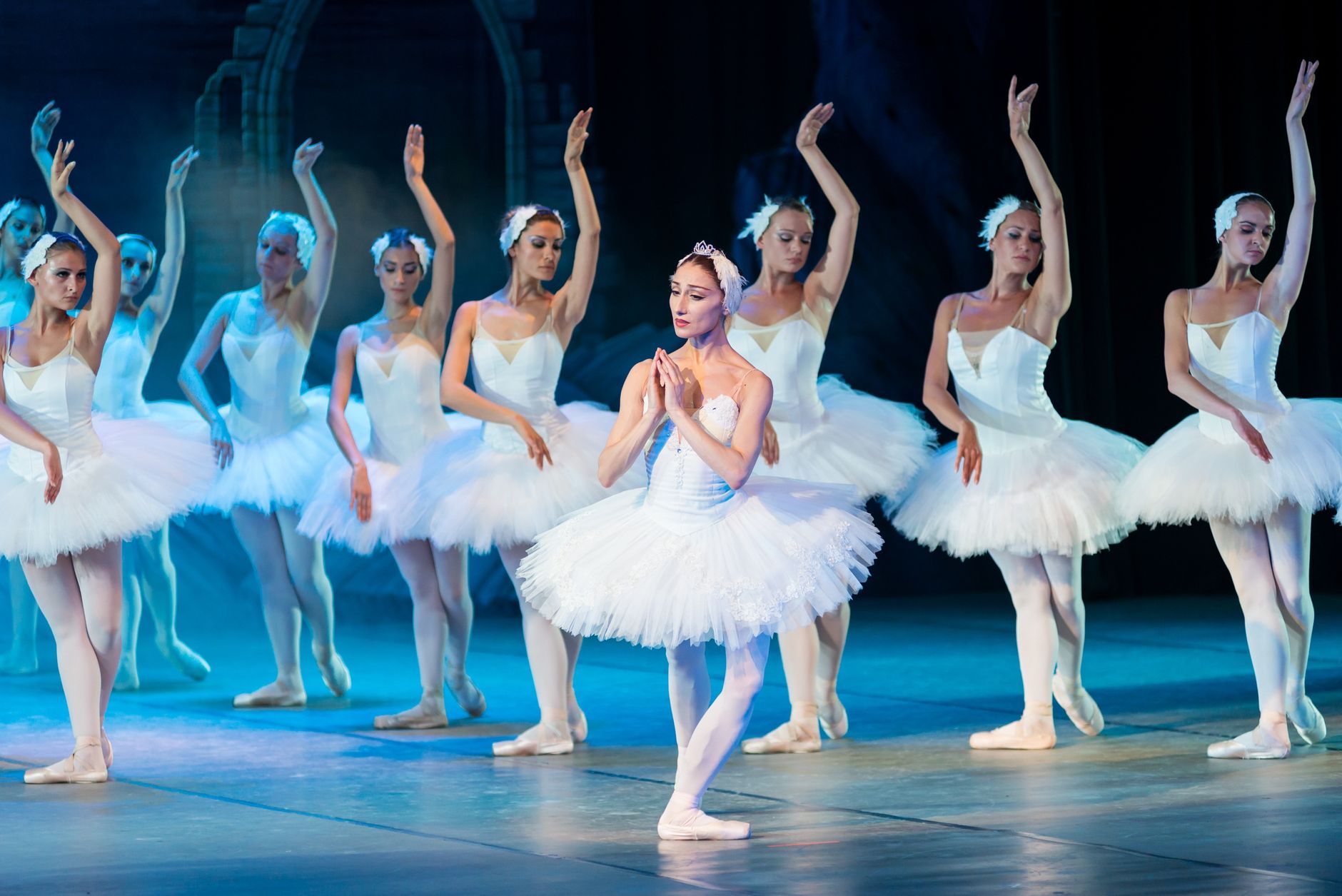
Photo by Pixabay on Pexels
French Kings and the Birth of Ballet
On October 15, 1581, Catherine de' Medici, the Queen Mother of France, hosted a grand ballet at the Chenonceau Castle, featuring a young King Henry III. This event marked the beginning of the French monarchy's fascination with ballet, which would eventually become an integral part of their courtly entertainment. Historian Frances Yates notes that this performance was a pivotal moment in the development of ballet as a distinct art form.
What Everyone Knows
Most people think that ballet originated in Italy and was later adopted by the French court, where it evolved into the sophisticated dance form we know today. The standard story goes that ballet was initially a form of entertainment for the aristocracy, with its emphasis on technical skill and artistic expression. However, this narrative overlooks the significant role that French kings played in shaping the art form, particularly their desire to showcase their physical prowess and fashionable attire.
What History Actually Shows
Historian Mark Franko argues that the French monarchy's enthusiasm for ballet was driven by their desire to demonstrate their martial skills and athletic ability. On January 12, 1573, King Charles IX danced in a ballet at the Tuileries Palace, showcasing his agility and strength. Historian Margaret McGowan notes that these early ballets were often performed by male dancers, who wore elaborate costumes that accentuated their legs and feet. The fact that French kings wore high heels and tight-fitting clothing to ballet performances is often overlooked, yet it highlights the importance of fashion and physical display in the early development of ballet. According to the writings of Claude-François Menestrier, a 17th-century dance historian, King Louis XIV was particularly fond of ballet and performed in numerous productions throughout his reign, including a notable performance on January 23, 1653. By examining the historical record, it becomes clear that the French kings' love of ballet was closely tied to their desire to showcase their physical abilities and fashionable attire, rather than simply a passion for the art form itself. As historian Rebecca Harris-Warrick notes, the development of ballet was a complex process that involved the intersection of artistic, cultural, and social factors, including the French monarchy's obsession with fashion and physical display. On August 6, 1643, King Louis XIV danced in a ballet at the Palais-Royal, further solidifying the connection between the French monarchy and the art of ballet.
The Part That Got Buried
Historians like Pierre-Daniel Huet and Claude-François Menestrier deliberately downplayed the role of 16th-century French kings in inventing ballet, focusing instead on the art form's Italian roots and the influence of Renaissance courtly entertainment. The French monarchy's own historians, tasked with promoting a more dignified image of the kings, actively suppressed this aspect of their history. As a result, the story of how French kings created ballet to showcase their legs was relegated to the footnotes of history books. The decision to prioritize the patronage of the arts over the kings' personal vanity was a deliberate choice made by the French royal court, and it has had a lasting impact on how we understand the origins of ballet. For instance, the emphasis on the Italian roots of ballet led to a lack of attention to the specific ways in which French kings adapted and modified Italian dance styles to create a unique form of entertainment that highlighted their physical prowess.
The Ripple Effect
The creation of ballet by 16th-century French kings had a direct impact on the development of modern dance. The emphasis on technical skill and physicality that characterized the ballets performed at the French court influenced the work of later choreographers, such as Jean-Georges Noverre, who is often credited with establishing the foundations of modern ballet. Today, the New York City Ballet's annual production of George Balanchine's Jewels is a direct descendant of the ballets created by 16th-century French kings, with its intricate choreography and emphasis on technical precision reflecting the enduring legacy of the French monarchs' love of dance.
The Line That Says It All
The fact that 16th-century French kings created ballet primarily to show off their legs is a sobering reminder of the self-aggrandizing nature of absolute power.
A Note on Sources
This article draws on historical records, documented accounts, and academic research related to 16th-century French courtly entertainment and the origins of ballet.


