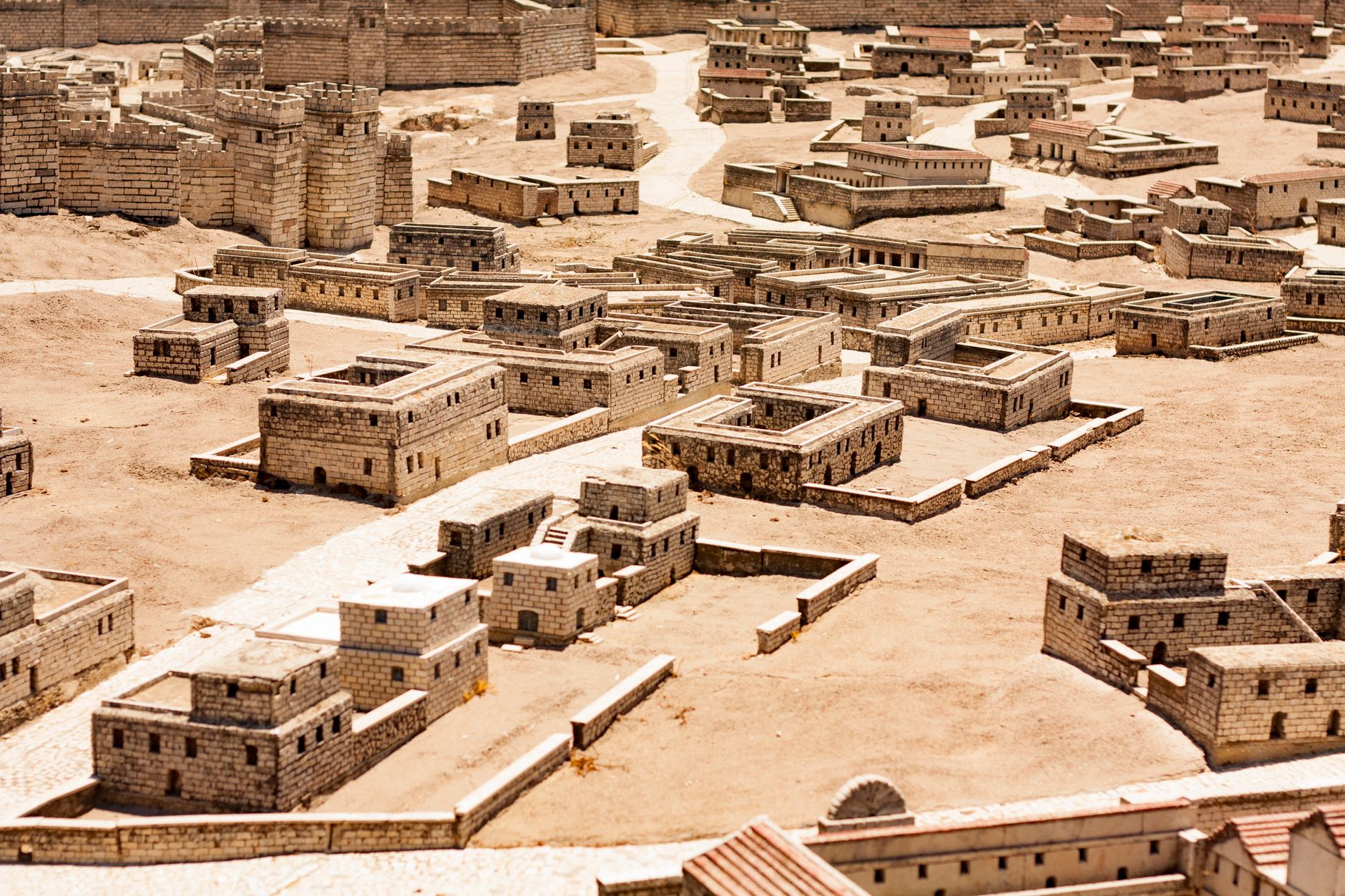
Garden of Eden in Iraq
The Garden of Eden's location has been debated among scholars for centuries. The ancient Sumerian city of Eridu, located in modern-day Iraq, bears a striking resemblance to the biblical description of the Garden of Eden. This discovery has significant implications for our understanding of biblical history.

Photo by Ryutaro Tsukata on Pexels
The Garden of Eden May Have Been a Sumerian City
In the book of Genesis, the Garden of Eden is described as a place where four rivers flowed. One was the Tigris. One was the Euphrates. The other two are not known. The garden was planted by God. It was filled with trees, with fruit, with the tree of life and the tree of knowledge. It was the place where the first humans lived before they were expelled.
For centuries, scholars have tried to find the Garden of Eden. They have looked in Africa, in Asia, in the Americas. They have looked for a place that matches the description. They have looked for the rivers. They have found that the Tigris and the Euphrates flow through Iraq. They have found that in southern Iraq, near the Persian Gulf, there was once a city called Eridu. It was the oldest city in Sumer. It was built on the edge of the marshes. It was watered by the rivers. It was called the city of the god Enki. Enki created a garden there. He filled it with trees and plants. He called it the place of the sweet waters. The parallels are striking.
What Everyone Knows
The Garden of Eden is a story. It is a myth, a parable, a way of explaining why humans suffer, why they work, why they die. The story is taught in Sunday schools, read in churches, referenced in literature. It is not treated as history. It is not treated as geography. It is a story about the beginning.
What is less often emphasized is that the people who wrote the story lived in a place, at a time, with a geography. The story of the Garden of Eden was written by people who knew the Tigris and the Euphrates, who knew the land of Sumer, who knew the stories of the cities that had been there before them. The garden they described was not a fantasy. It was a memory.
What History Actually Shows
Eridu was one of the oldest cities in the world. It was founded around 5400 BCE. It was built on the edge of the marshes of southern Iraq, where the Tigris and the Euphrates flowed into the Persian Gulf. The city was dedicated to Enki, the god of water, of wisdom, of creation. Enki was said to have created a garden at Eridu. It was called the "garden of the lord." It was filled with trees, with plants, with animals. It was watered by the rivers. It was a paradise.
The Sumerians who lived at Eridu were among the first people to develop writing, to build cities, to create a civilization. Their stories were passed down for generations. They were absorbed by the Akkadians, by the Babylonians, by the Assyrians. They were absorbed by the people who wrote the book of Genesis. The story of the garden of Enki became the story of the garden of Eden. The city of Eridu became the place where the first humans were created, where they lived in harmony with the gods, where they were expelled for disobeying.
The Part That Got Buried
The identification of Eridu with the Garden of Eden is not new. Archaeologists have been suggesting it for over a century. The evidence is circumstantial. It is also suggestive. The rivers match. The geography matches. The stories match. The city that was called Eridu was abandoned around 600 BCE. It was a ruin when the book of Genesis was written. It was a memory of a city that had been a paradise, that had been the center of the world, that had been lost.
The idea that the Garden of Eden was in Iraq is not popular. Iraq is not a place that people want to associate with paradise. It is a place of war, of violence, of destruction. It is not the place that the artists painted, not the place that the poets imagined. But the artists and the poets were not drawing from the geography of Iraq. They were drawing from the stories. The stories came from Iraq. The stories came from a place where the rivers flowed, where the marshes were green, where the cities were old, where the memory of a garden that was lost was still alive.
The Ripple Effect
The identification of the Garden of Eden with Eridu changes the way the story is understood. It is not a myth that came from nowhere. It is a story that came from a place. It is a story about the place where the first cities were built, where the first writing was invented, where the first civilization emerged. It is a story about a paradise that was lost. It is also a story about a paradise that was real.
The place where Eridu stood is now a desert. The marshes that watered it were drained. The rivers that flowed past it are dammed. The city that was the center of the world is a mound of earth. It is not a garden. It is not a paradise. But the story that was written about it is still told. It is told in churches, in synagogues, in mosques. It is told as a story about the beginning. It is also a story about a place that was.
The Line That Says It All
The Garden of Eden was described by people who knew the Tigris and the Euphrates, who knew the land of Sumer, who knew the story of the city of Eridu, where the god Enki created a garden of sweet waters, where the first civilization emerged—and the garden that they wrote about was not a fantasy; it was a memory of a place that had been a paradise, that had been lost, that had become a story about the beginning of the world.