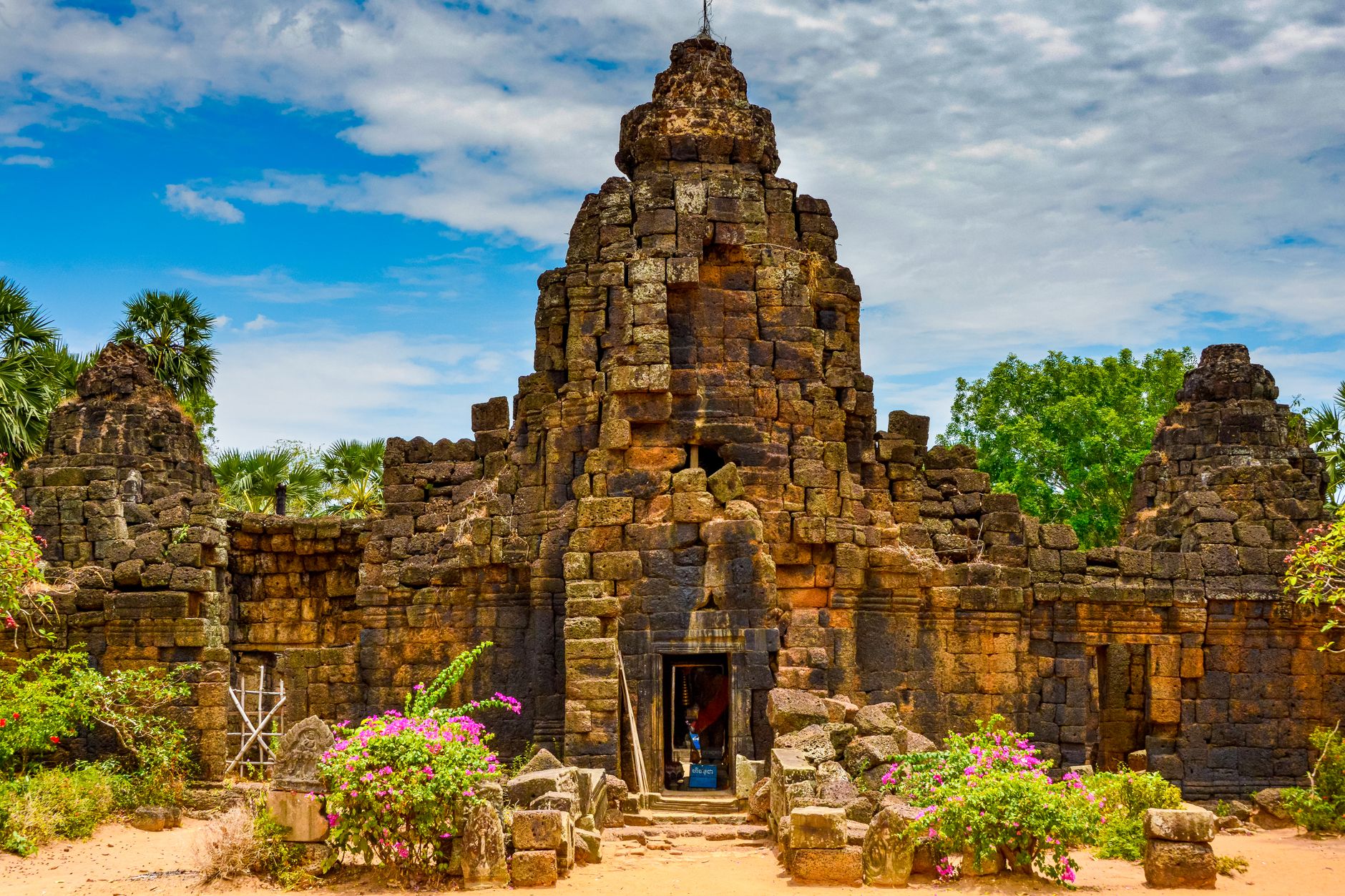
Göbekli Tepe Rewrites Human History
Göbekli Tepe, an ancient temple in Turkey, has been discovered to predate the earliest known civilizations by thousands of years. This find has forced archaeologists to radically rethink human history, turning the conventional narrative on its head. The 11,000-year-old temple's existence challenges previous understandings of human progress and development.
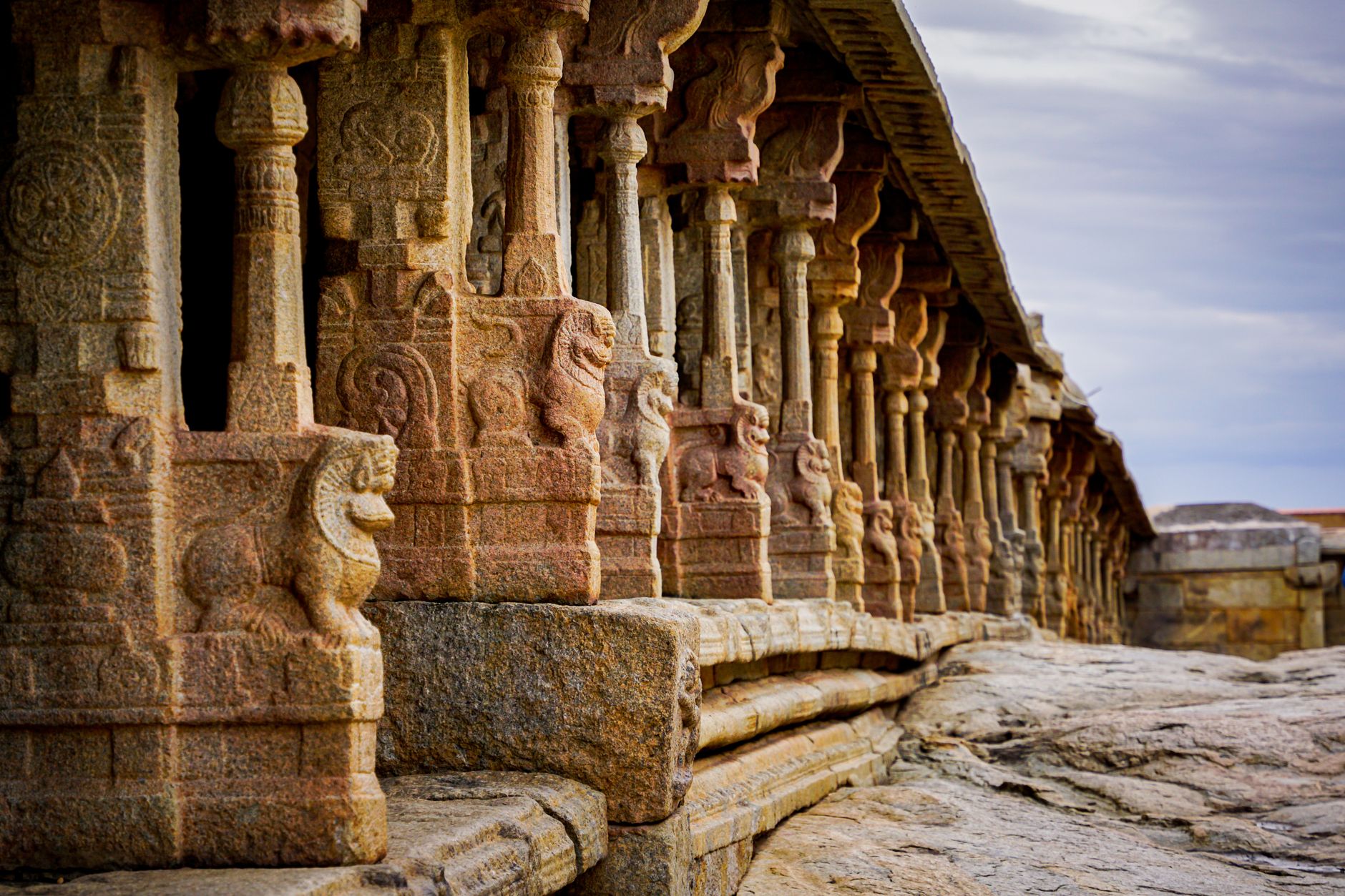
Photo by Neeraj Mohan on Pexels
The Temple That Rewrote Human History
In 1994, a Kurdish shepherd in southeastern Turkey noticed a stone sticking out of the ground. He was not an archaeologist. He did not know what he was looking at. But the stone was shaped like a T, and it had carvings on it. He told someone who told someone, and eventually the German archaeologist Klaus Schmidt came to see it.
Schmidt spent the rest of his life excavating the site. What he found was a complex of stone circles, each made of T-shaped pillars weighing up to 20 tons. The pillars were carved with images of animals: scorpions, snakes, foxes, birds. They were arranged in circles, like Stonehenge, but older. Much older. The site was dated to 9600 BCE. It was 11,000 years old. It was built before the wheel, before pottery, before the first cities. It was built by people who had not yet invented farming.
The site was called Göbekli Tepe, "Potbelly Hill." It was the oldest temple ever found. It was also evidence that the standard story of human history was wrong.
What Everyone Knows
The story of human civilization has a standard plot. Humans lived as hunter-gatherers for most of their existence. Then, around 10,000 years ago, they learned to farm. Farming allowed them to settle in one place. Settling allowed them to build villages, then towns, then cities. Cities allowed them to develop writing, law, art, and religion. Agriculture was the foundation. Without it, there could be no civilization.
This story has been taught for generations. It is in the textbooks. It is in the documentaries. It is the framework that archaeologists use to understand the past. Göbekli Tepe does not fit the framework.
What History Actually Shows
Göbekli Tepe was built by people who had not yet domesticated plants or animals. They were hunter-gatherers. They lived in small groups, moved with the seasons, and did not have permanent settlements. And yet, they built a complex of stone circles that required hundreds of workers, years of labor, and a level of organization that was thought to be impossible without a settled society.
The pillars at Göbekli Tepe are massive. The largest weigh 20 tons. They were quarried from a nearby ridge, moved across the site, and set into sockets cut into the bedrock. The carvings on the pillars are sophisticated. The animals are rendered in high relief, with details that suggest a rich symbolic world. The circles were built, used, and then buried. New circles were built on top of them. The site was used for over a thousand years. Then it was abandoned.
Klaus Schmidt, who led the excavation, argued that Göbekli Tepe was a sanctuary, a place where hunter-gatherers gathered for rituals, for feasts, for the kind of social interaction that creates shared identity. The construction of the site required cooperation among groups that had no central authority. The carvings suggest a cosmology that was complex enough to require monumental expression. The site was not a settlement. It was a temple. And it was built before agriculture.
The Part That Got Buried
The discovery of Göbekli Tepe has forced archaeologists to rethink the relationship between agriculture and civilization. The standard story was that farming made complex society possible. Göbekli Tepe suggests the opposite: that complex society made farming possible. The hunter-gatherers who built the temple needed to feed the workers who built it. They needed to organize the labor. They needed to have a reason to come together. The temple provided the reason. The agriculture came later.
Schmidt's interpretation is not universally accepted. Some archaeologists argue that Göbekli Tepe was built by people who were already experimenting with farming, that the site represents a transitional phase rather than a revolution. But even that interpretation undermines the standard story. The transition to agriculture was not a sudden shift. It was a process, and Göbekli Tepe is evidence that the process was driven by social and religious needs, not by economic necessity.
The site is also evidence that hunter-gatherers were not the simple, egalitarian people that the standard story imagines. They were capable of organizing labor on a scale that was thought to require a state. They were capable of creating art that was thought to require a settled society. They were capable of building monuments that were thought to require a civilization. Göbekli Tepe did not just push back the date of the earliest known complex society. It changed what complex society meant.
The Ripple Effect
Göbekli Tepe has become a pilgrimage site for archaeologists, for historians, for anyone interested in the origins of human culture. The excavation is still ongoing. Only a fraction of the site has been uncovered. What has been uncovered is already rewriting the textbooks.
The site has also become a tourist attraction. The Turkish government has built a canopy to protect the ruins, a walkway for visitors, a museum. The people who come to see it are not archaeologists. They are tourists, curious about the place that changed history. They stand on the walkway and look down at the pillars, the carvings, the circles that were built 11,000 years ago by people who had not yet invented farming. They do not always understand what they are seeing. But they know it is something new.
The Line That Says It All
Göbekli Tepe was built by hunter-gatherers who had not yet invented farming, who had not yet invented the wheel, who had not yet invented writing—and they built a temple so large, so sophisticated, so complex that it has forced archaeologists to rethink everything they thought they knew about how civilization began.