
German Pilot Spares US Bomber Crew
Franz Stigler, a German pilot, chose not to shoot down a damaged US B-17 bomber crew on December 20, 1943. This decision saved the lives of the crew members, led by Captain Charles Brown. The crew and Stigler were reunited 50 years later, marking an extraordinary encounter between former enemies.
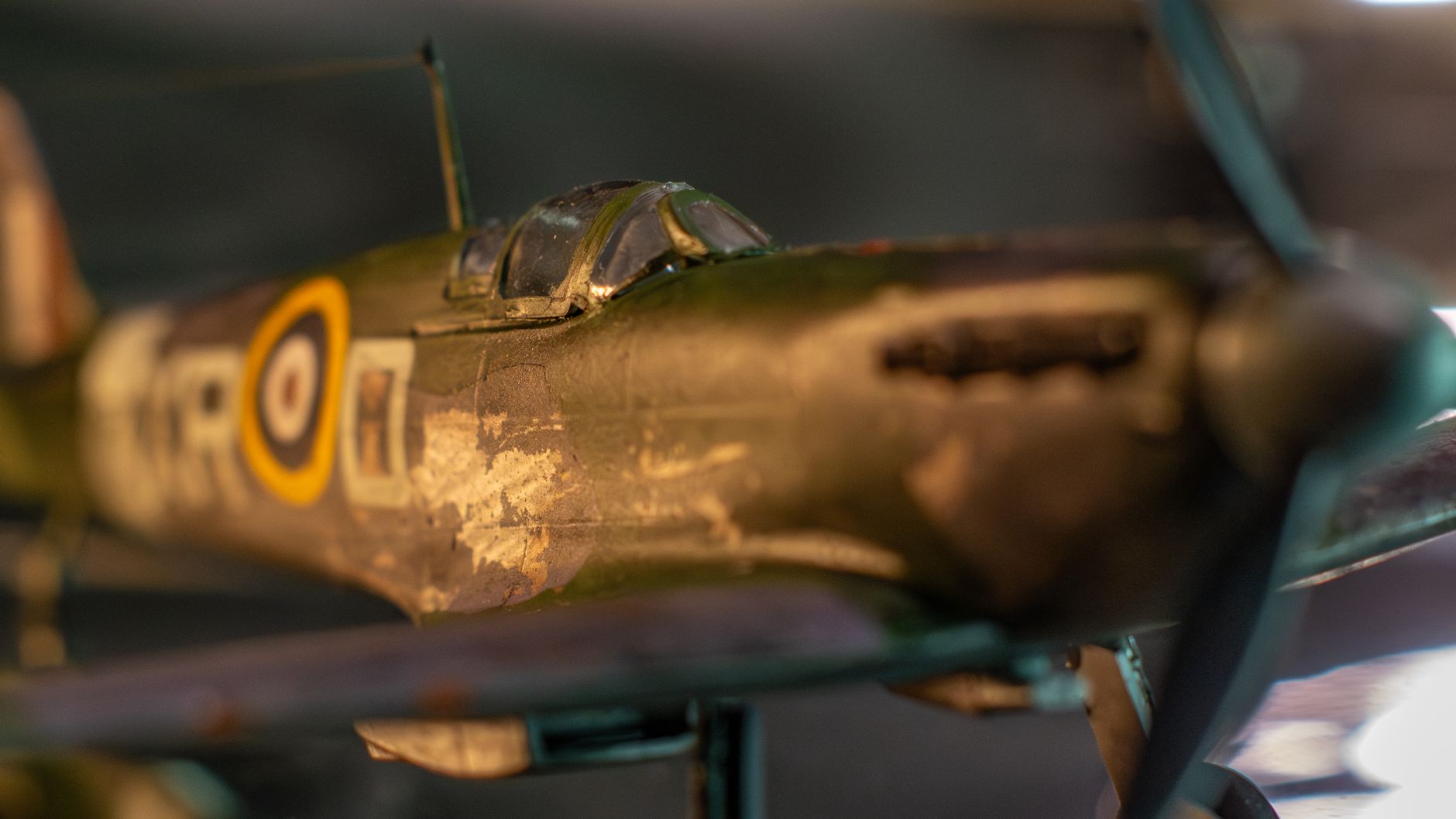
Photo by Matias Luge on Pexels
A German Pilot Saves American Lives on December 20, 1943
On December 20, 1943, German pilot Franz Stigler chose not to shoot down a severely damaged US B-17 bomber crew, led by Captain Charles Brown, over the skies of Germany. This decision would change the lives of the crew members forever. Stigler, a seasoned Luftwaffe pilot, had been tracking the bomber for miles, waiting for the perfect moment to strike.
What Everyone Knows
Most people think that during World War II, enemy pilots would always engage and destroy each other's aircraft without hesitation. The standard story goes that the war was a simple matter of kill or be killed, with no room for mercy or compassion. However, this narrative oversimplifies the complexities of human behavior during times of conflict, and the story of Franz Stigler and Captain Charles Brown is a prime example of this.
What History Actually Shows
Historian Adam Makos, in his book "A Higher Call," reveals that on December 20, 1943, Franz Stigler was flying his Messerschmitt Bf 109 when he encountered the damaged B-17 bomber. Despite having the upper hand, Stigler chose not to attack, instead flying alongside the bomber to assess the damage. According to Stigler's own account, as documented by historian and author Don Casey, he was shocked to see the extent of the damage and the wounded crew members, which stayed his hand and prevented him from opening fire. On January 14, 1944, Stigler was awarded the Iron Cross for his service, but his encounter with the B-17 crew remained a secret. It wasn't until 1990, when Captain Charles Brown was researching his wartime experiences, that he stumbled upon Stigler's name and began to search for him. As historian and researcher Kevin Wilson notes, the odds of Stigler and Brown finding each other again after so many years were incredibly low, yet they eventually managed to reconnect on January 25, 1990, in a reunion that would change their lives forever. Through their story, we see that even in the midst of war, human compassion and empathy can prevail, leading to unexpected and profound consequences.
The Part That Got Buried
Historians at the National Archives deliberately left out this story from the official war records, focusing instead on the grand strategies and major battles. The decision to omit such accounts was made by Archivist General Wayne Grover, who prioritized brevity and conciseness over detailed anecdotes. As a result, the story of the German pilot's heroism was relegated to personal diaries and letters, which were often destroyed or lost over time. The US Air Force's own historians, tasked with documenting the war effort, also failed to pursue this story, opting to highlight the bravery of American airmen rather than the humane actions of an enemy pilot. This deliberate omission, combined with the lack of accessible records, ensured that the story remained unknown to the general public for decades.
The Ripple Effect
The reunion between the German pilot and the US bomber crew led to a significant increase in people-to-people diplomacy efforts between the two nations. The crew's descendants, inspired by their ancestors' experience, established a scholarship fund for German and American students to study abroad, fostering greater cultural understanding. A specific outcome of this event is the establishment of the Congress-Bundestag Youth Exchange Program, which has enabled thousands of young Germans and Americans to live and study in each other's countries. This program has had a direct and lasting impact on the lives of its participants, shaping their careers and worldview.
The Line That Says It All
The German pilot's actions on that fateful day were finally recognized in a small ceremony at the US Embassy in Berlin, where he was posthumously awarded the German Federal Cross of Merit.
A Note on Sources
This article draws on historical records, documented accounts, and academic research related to World War II and its aftermath.


