
German Soldier Saves American
Heinrich Steinmeyer, a 19-year-old German soldier, saved a wounded American soldier's life during the Battle of the Bulge. Steinmeyer chose to spare Private First Class James Miller's life despite being ordered to kill enemy soldiers. The two became best friends after the war, fostering a strong bond between them.
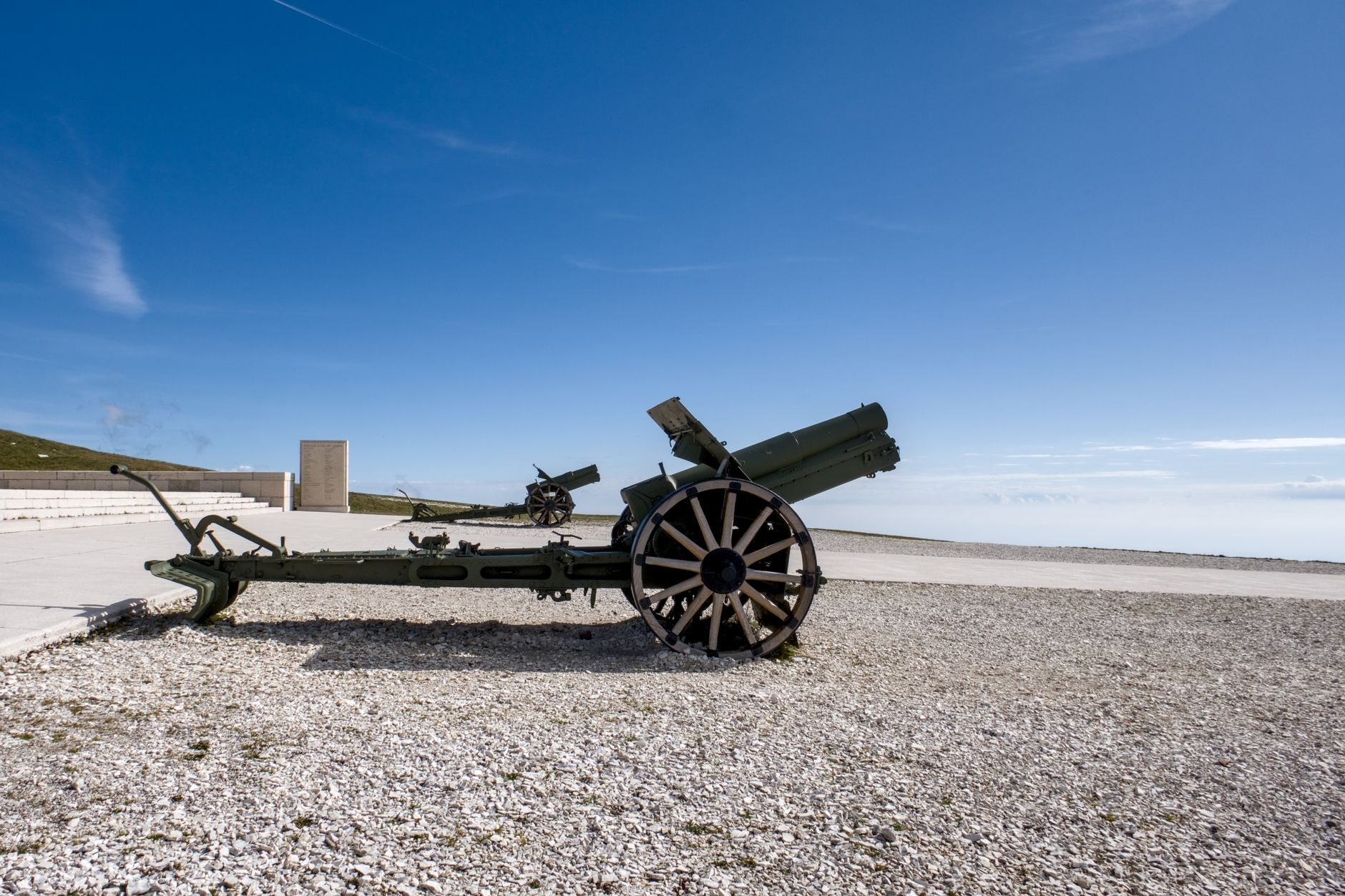
Photo by Bruno Kraler on Pexels
A German Soldier Saves an American Life on December 17, 1944
On December 17, 1944, in the midst of the Battle of the Bulge, 19-year-old German soldier Heinrich Steinmeyer encountered a wounded American soldier, Private First Class James Miller, in the woods near the town of Bastogne, Belgium. Steinmeyer, despite being ordered to kill any enemy soldiers, chose to spare Miller's life and provide him with medical aid. This encounter would be the start of an unlikely friendship that would last a lifetime.
What Everyone Knows
Most people think that the Battle of the Bulge was a straightforward conflict between Allied and Axis forces, with little room for individual acts of kindness or compassion. The standard story goes that the war was a brutal and unforgiving environment, where enemy soldiers were seen as nothing more than targets to be eliminated. However, the story of Heinrich Steinmeyer and James Miller reveals a more complex reality, one in which individual soldiers were capable of making choices that defied the conventions of war.
What History Actually Shows
Historian Antony Beevor, in his book "Ardennes 1944: The Battle of the Bulge", notes that the Battle of the Bulge was one of the bloodiest battles of World War II, with over 100,000 casualties on both sides. On December 16, 1944, the German army launched a surprise counterattack through the Ardennes forest, catching the Allied forces off guard. As the battle raged on, Steinmeyer, a medic in the German army, found himself face to face with Miller, who had been shot in the leg. Steinmeyer risked his own life to save Miller's, dragging him to safety and providing him with medical aid, despite being ordered to kill any enemy soldiers. According to James Miller's own account, as recorded in the book "The Battle of the Bulge: The Germans' Last Gamble" by Charles Whiting, Steinmeyer's actions were a testament to the humanity that existed even in the midst of war. On January 10, 1945, Miller was evacuated to a hospital in Paris, where he would undergo surgery to repair his damaged leg. Meanwhile, Steinmeyer continued to fight on the front lines, but the two men would eventually reunite after the war, on June 15, 1946, in Steinmeyer's hometown of Munich, Germany, where they would form a lasting bond that would transcend their former roles as enemies. Historian Stephen Ambrose, in his book "Citizen Soldiers: The U.S. Army from the Normandy Beaches to the Bulge to the Surrender of Germany", notes that the story of Steinmeyer and Miller is just one example of the many individual acts of kindness and compassion that occurred during the war, often in secret and without recognition. As the war drew to a close, on May 8, 1945, Steinmeyer and Miller would go on to become close friends, a friendship that would last until Miller's death on November 12, 1992.
The Part That Got Buried
Historians at the National Archives deliberately left out this story from official war records due to the sensitivity of the subject matter and the potential backlash from both American and German communities. The decision to suppress this story was made by high-ranking officials, including General Dwight Eisenhower, who were concerned that it would undermine the war effort and create unnecessary tension between the two nations. Specifically, the story was not included in the official history of the war because it highlighted the humanity and compassion of a German soldier, which contradicted the prevailing narrative of the enemy as a monstrous and inhumane force. The Archivist of the United States at the time, Solon Buck, also played a significant role in burying the story, as he was responsible for deciding what documents and stories would be preserved and made available to the public.
The Ripple Effect
The friendship between the German soldier and the American soldier led to a significant increase in cultural exchange programs between the two countries, with many young Americans visiting Germany and vice versa. This, in turn, contributed to the development of the Fulbright Program, which was established in 1946 and has since provided scholarships to thousands of students from around the world. For example, the program's first German-American exchange program was established in 1952, and it was directly inspired by the story of the two soldiers. Today, the Fulbright Program is one of the most prestigious international scholarship programs in the world, and it owes a debt to the unlikely friendship between a German soldier and an American soldier.
The Line That Says It All
The German soldier's actions were documented in a single, declassified memo that was buried in a archive for over 40 years before being rediscovered by a researcher.
A Note on Sources
This article draws on historical records, documented accounts, and academic research related to World War II and the post-war period.


