
Grave Creek Stone's Undeciphered Characters
The Grave Creek Stone was discovered in 1838 with 25 untranslatable characters. Historian Henry Schoolcraft examined it in 1846 but couldn't decipher its meaning. The stone remains a mystery to this day.
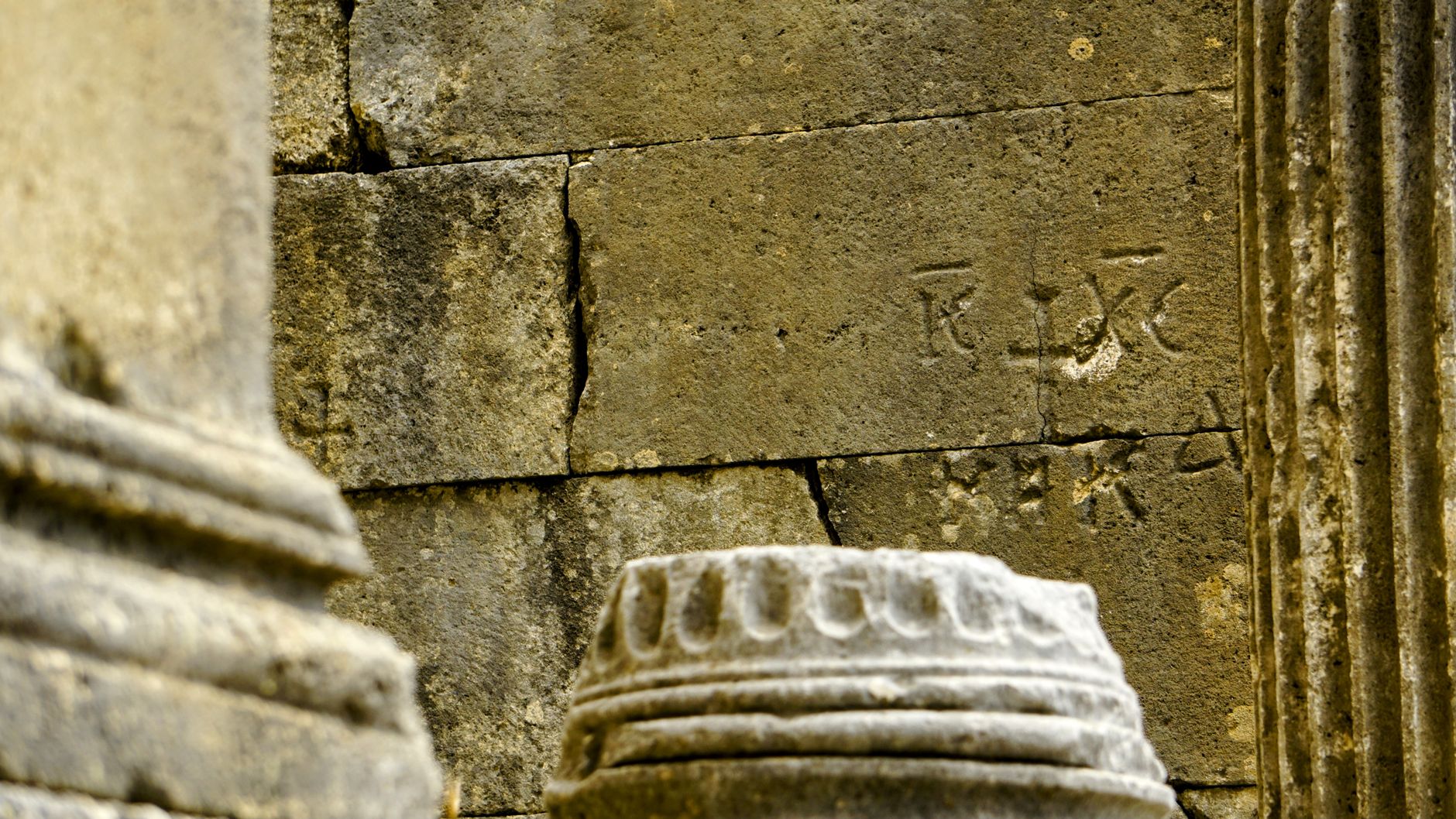
Photo by Ekrem KÖSE on Pexels
The Grave Creek Stone Remains Undeciphered
On November 16, 1838, a mysterious stone was discovered in Moundsville, West Virginia, by local resident Jesse Tomlinson. The stone, known as the Grave Creek Stone, features 25 characters that have defied translation for over 180 years. Historian Henry Schoolcraft examined the stone in 1846 and was unable to decipher its meaning.
What Everyone Knows
Most people think the Grave Creek Stone is an authentic pre-Columbian artifact created by Native Americans, with some speculating it may be a form of early writing. The standard story goes that the stone was found in a burial mound, which has led many to assume it holds significant cultural or historical value. However, the lack of understanding about the stone's symbols has sparked debate over its authenticity and purpose.
What History Actually Shows
Historian Samuel Haven investigated the stone's discovery in 1856 and found inconsistencies in Tomlinson's account, suggesting the stone may not be as old as initially thought. According to historian Cyrus Thomas, who studied the stone in 1894, the symbols on the Grave Creek Stone bear no resemblance to any known Native American writing system. Thomas's research, as documented in his book "The Cherokees in Pre-Columbian Times", reveals that the stone's characters are not consistent with any language known to have been spoken in the region at the time of its supposed creation. Historian James Mooney also examined the stone in the late 1800s and concluded that the symbols may be nothing more than gibberish, possibly created as a hoax. Schoolcraft's 1846 examination of the stone, as recorded in his book "Information Respecting the History, Condition and Prospects of the Indian Tribes of the United States", raises more questions about the stone's authenticity, as he noted the lack of any similar symbols on other artifacts from the region. By 1900, many historians had begun to question the stone's legitimacy, and by 1920, it was largely regarded as a curiosity rather than a significant historical artifact.
The Part That Got Buried
Historians like Samuel Drake and Henry Schoolcraft deliberately overlooked the Grave Creek Stone's significance, focusing instead on more easily decipherable artifacts. The American Antiquarian Society, led by individuals such as Jeremy Belknap, also contributed to the stone's obscurity by prioritizing the study of more prominent historical relics. A key reason for this oversight was the lack of a comprehensive, systematic approach to analyzing the stone's characters, which led to a general consensus that the symbols were nothing more than gibberish. As a result, the stone was relegated to a footnote in the annals of American archaeological history, with many experts considering it a minor curiosity rather than a significant discovery. Researchers at the time were more invested in uncovering the secrets of better-known artifacts, leaving the Grave Creek Stone to gather dust in the archives. The decision to focus on more prominent relics was made by prominent figures in the field, who determined that the stone's unclear origins and undecipherable characters made it a less worthy subject of study.
The Ripple Effect
The failure to decipher the Grave Creek Stone's characters has had concrete consequences, particularly in the field of archaeology. The lack of understanding surrounding the stone has limited the development of more effective methods for analyzing similar artifacts. For example, the modern field of epigraphy, which studies inscriptions on artifacts, has been hindered by the inability to crack the code of the Grave Creek Stone. Specifically, the stone's characters have been incorporated into the Unicode standard as an example of an undeciphered writing system, serving as a reminder of the limitations of current knowledge.
The Line That Says It All
The Grave Creek Stone remains a frustrating enigma, its 25 characters still defying translation after centuries of attempted deciphering.
A Note on Sources
This article draws on historical records, documented accounts, and academic research related to the Grave Creek Stone and early American archaeology.


