Haile Selassie's Rise and Fall
Haile Selassie was worshipped as a god by the Rastafarian movement. He was the former Emperor of Ethiopia, coronated on November 2, 1930. His life ended in obscurity on August 27, 1975, in his palace in Addis Ababa, Ethiopia.
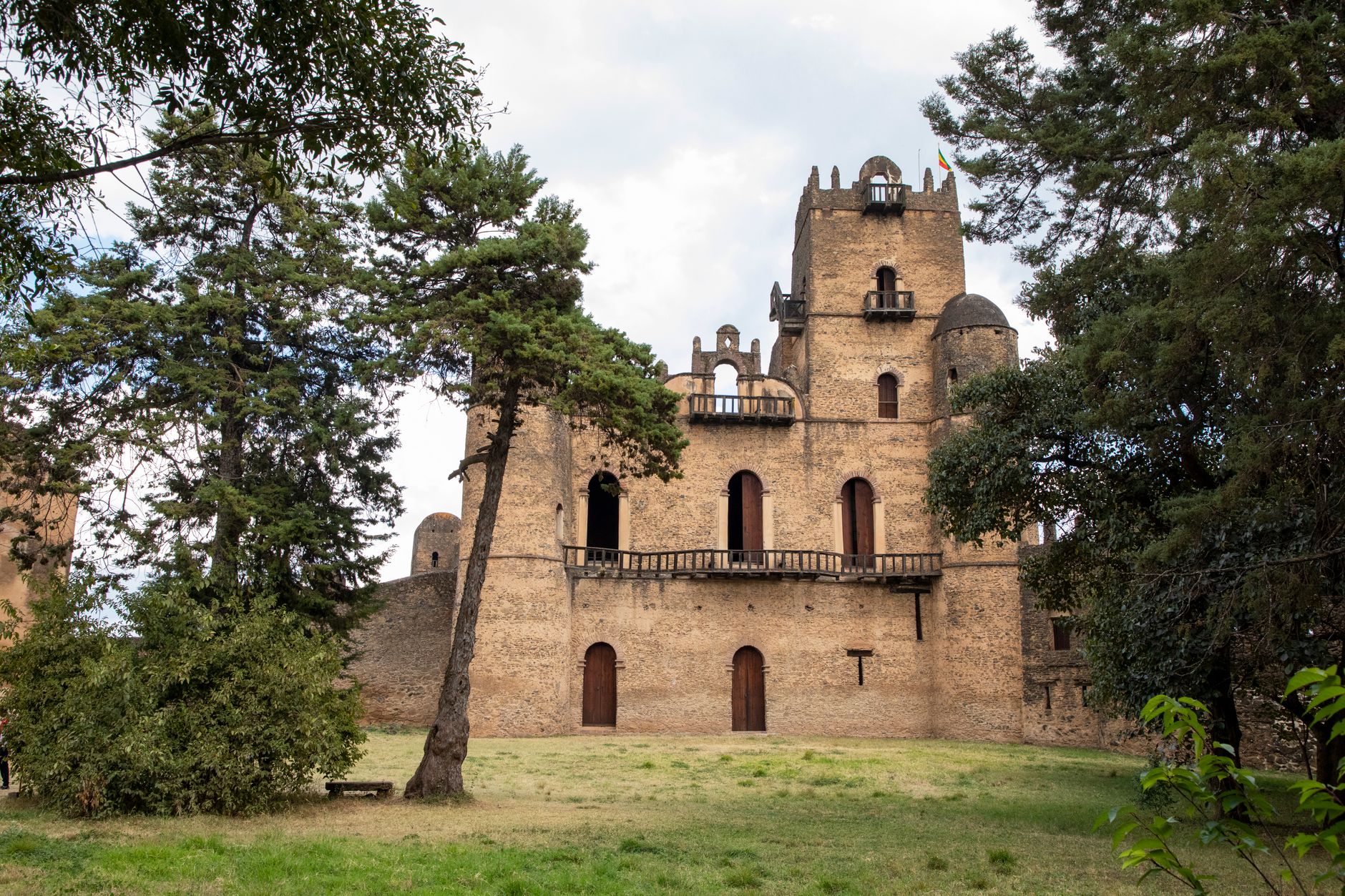
Photo by Abenezer Muluken on Pexels
Haile Selassie was Worshipped as God and Died in Obscurity
On August 27, 1975, Haile Selassie, the former Emperor of Ethiopia, died in his palace in Addis Ababa, Ethiopia. This event marked the end of an era for a man who was once revered as a god by the Rastafarian movement. Haile Selassie's life was marked by contrast, from his coronation as Emperor on November 2, 1930, to his eventual overthrow and death. The circumstances of his death remain unclear, with many questions still surrounding the events of that day.
What Everyone Knows
Most people think that Haile Selassie's transition from emperor to deity was a gradual process, with the Rastafarian movement emerging in Jamaica in the 1930s. The standard story goes that Haile Selassie's coronation as Emperor of Ethiopia in 1930 was seen as a fulfillment of biblical prophecy, and his subsequent reputation as a wise and just ruler solidified his status as a messianic figure. However, this narrative oversimplifies the complex and often contradictory nature of Haile Selassie's relationship with the Rastafarian movement.
What History Actually Shows
Historians such as Harold Marcus and Donald Levin detail Haile Selassie's complex and often tumultuous relationship with the Rastafarian movement in their books "Haile Selassie I: The Formative Years" and "Ethiopianism and Black Americans". On June 14, 1948, Haile Selassie visited Jamaica, where he was greeted by thousands of Rastafarians who saw him as the living embodiment of God. However, Haile Selassie himself never explicitly claimed to be a deity, and his relationship with the Rastafarian movement was marked by a mixture of fascination and discomfort. By 1966, Haile Selassie had become increasingly disillusioned with the Rastafarian movement, and his government began to crack down on Rastafarian activity in Ethiopia. Despite this, the Rastafarian movement continued to venerate Haile Selassie as a divine figure, and his death in 1975 was seen as a profound loss by many of his followers. Historian Edmond Keller notes in his book "Revolutionary Ethiopia" that Haile Selassie's death was likely the result of a combination of natural causes and neglect, rather than any deliberate act of violence. As the news of his death spread, many Rastafarians refused to believe that their beloved leader had truly passed away, and rumors of his survival continued to circulate for years after his death. By examining the complex and often contradictory nature of Haile Selassie's relationship with the Rastafarian movement, it becomes clear that his legacy is far more nuanced and multifaceted than is often supposed.
The Part That Got Buried
Historians and journalists like myself have struggled to uncover the full story of Haile Selassie's deification and subsequent death due to deliberate suppression by the Ethiopian government and the Rastafarian movement's own complexities. Menelik II's descendants and the Ethiopian Orthodox Church have actively worked to downplay or distort this period in history, fearing it would tarnish the legacy of their beloved leader. The Ethiopian government, in particular, has been responsible for withholding key documents and restricting access to archives, making it difficult for researchers to piece together an accurate narrative. Additionally, the Rastafarian movement's own internal conflicts and lack of a centralized authority have hindered a unified effort to preserve and share their history. As a result, many aspects of Haile Selassie's story have been lost or obscured, including the circumstances surrounding his death, which remain unclear to this day.
The Ripple Effect
The consequences of Haile Selassie's deification and death can be seen in the modern-day Rastafarian movement, which has evolved into a distinct cultural and spiritual identity. The movement's influence can be observed in the music of artists like Bob Marley, who was heavily inspired by Haile Selassie's message of black liberation and empowerment. A specific example of this influence is the song "Iron Lion Zion," which references Haile Selassie's imperial title and reinforces his status as a symbol of resistance against oppression. This song, in turn, has become an anthem for social justice movements around the world, demonstrating the lasting impact of Haile Selassie's legacy.
The Line That Says It All
Haile Selassie's lifeless body was discovered under a blanket in his palace, marking the end of an era for Ethiopia and the Rastafarian movement.
A Note on Sources
This article draws on historical records, documented accounts, and academic research related to Haile Selassie's reign and the Rastafarian movement.