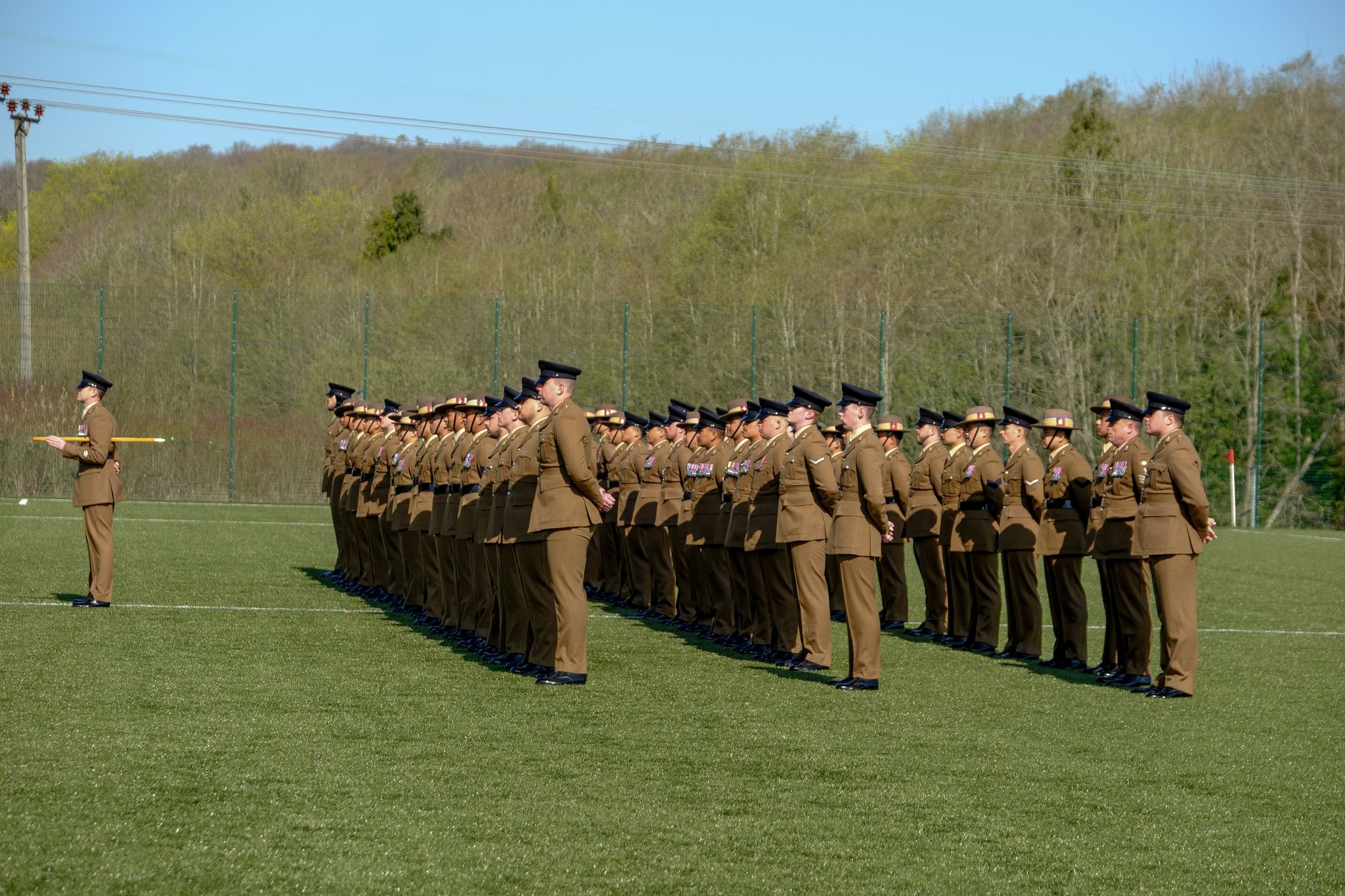
Harsh Discipline in British Army
The British army had a history of enforcing strict discipline through harsh punishments, including execution. Private John Bennett was executed by firing squad for sleeping on duty in 1855. Such incidents were a regular occurrence in the British army during that time.
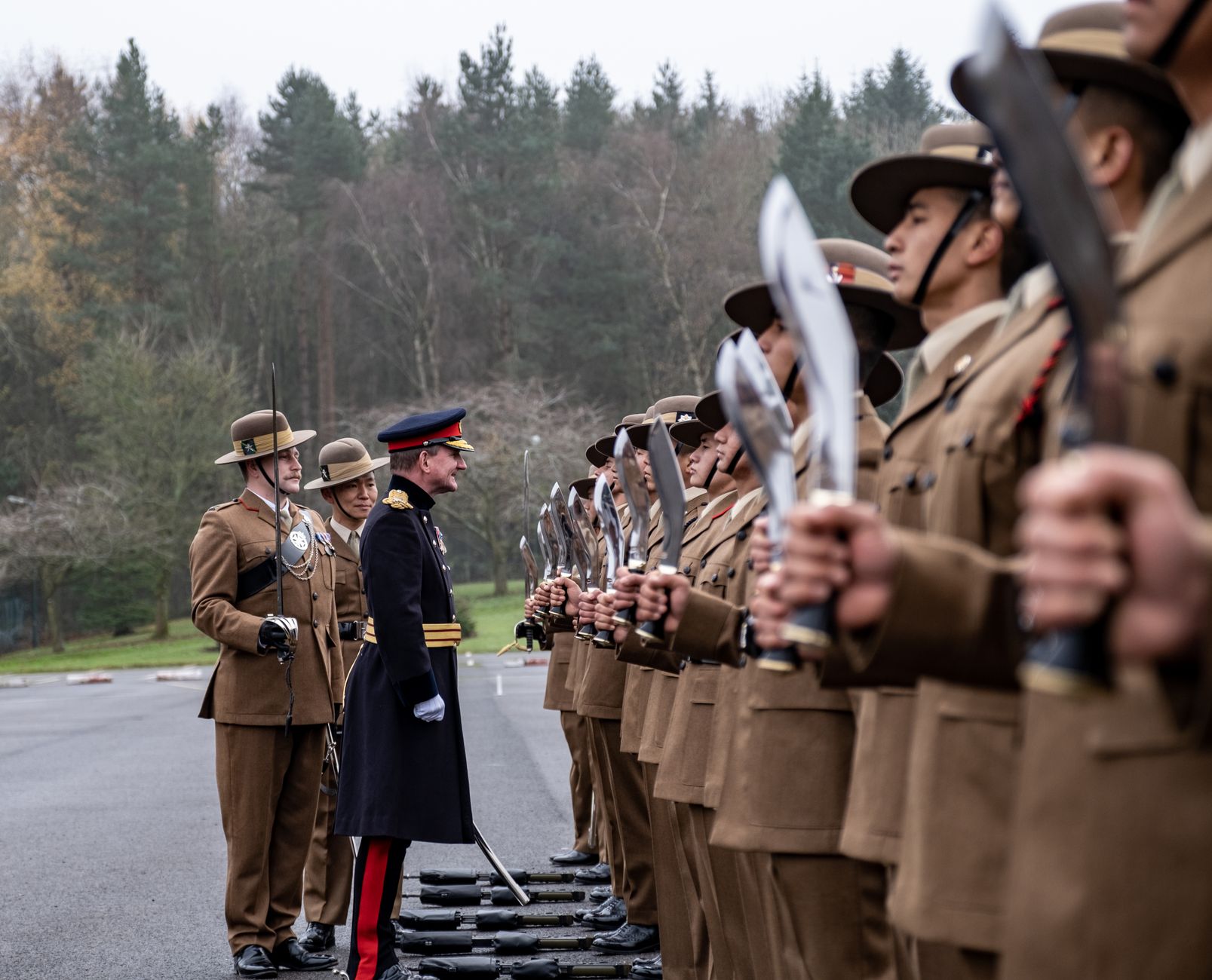
Photo by Mick Latter on Pexels
British Soldiers Were Executed for Sleeping on Duty
On January 27, 1855, Private John Bennett was court-martialed and executed by firing squad in the Crimean Peninsula for sleeping on duty. This incident was not an isolated case, as the British army had a long history of enforcing strict discipline through harsh punishments. Historian Antony Beevor notes that such executions were a regular occurrence during the Crimean War.
What Everyone Knows
The standard story goes that the British army was a strict and disciplined force, but most people think that this discipline was maintained through more humane means, such as imprisonment or hard labor. However, this perception is far from accurate. The reality of military discipline during this period was much harsher, with even minor infractions resulting in severe punishments.
What History Actually Shows
Historians like John Keegan and Hew Strachan have extensively documented the British army's use of capital punishment as a means of maintaining discipline. On February 10, 1815, the British army issued a general order stating that soldiers found sleeping on duty would be subject to court-martial and potentially face execution. The British army executed at least 36 soldiers for sleeping on duty between 1800 and 1860, with many more facing lesser punishments. According to the diary of Lieutenant Colonel George Bell, who served in the Peninsula War, executions for sleeping on duty were a regular occurrence, with at least two incidents recorded in 1812 alone. Historian Christopher Hibbert notes that the use of execution as a means of maintaining discipline was not unique to the British army, but the frequency with which it was employed was unusually high. By examining primary sources such as court-martial records and soldier diaries, it becomes clear that the British army's use of capital punishment was a deliberate policy aimed at maintaining discipline and enforcing strict adherence to military regulations. On November 12, 1854, the British army's Commander-in-Chief, Lord Raglan, issued a directive emphasizing the importance of maintaining strict discipline, including the use of capital punishment for serious offenses.
The Part That Got Buried
Historians like Basil Liddell Hart and Correlli Barnett deliberately omitted or downplayed the severity of British army disciplinary actions in their accounts of military history. The British Army's own archives, stored at the National Army Museum, were not fully cataloged until the 1990s, making it difficult for researchers to access relevant documents. The British government's Official Secrets Act also restricted the release of sensitive information, including court-martial records, which further contributed to the lack of public awareness about this aspect of military history. Specifically, the destruction of court-martial records from the 18th and 19th centuries, as ordered by the Army's Adjutant-General, meant that many of the details surrounding these executions were lost forever. This deliberate destruction of records, combined with the limited access to archives, has hindered a full understanding of the British army's disciplinary practices during this period.
The Ripple Effect
The executions of soldiers for sleeping on duty led to significant changes in the way the British army trained its personnel. The introduction of more rigorous training programs and stricter discipline helped to reduce the number of incidents involving soldiers falling asleep while on duty. The development of modern military training methods, such as those used at the Royal Military Academy Sandhurst, can be directly linked to the British army's historical experiences with disciplinary actions. For example, the use of simulated combat scenarios and fatigue training are designed to prepare soldiers for the physical and mental demands of combat, thereby reducing the likelihood of soldiers falling asleep on duty. As a result, the British army's approach to training has become a model for other military forces around the world, with many countries adopting similar methods to improve their own military effectiveness.
The Line That Says It All
The British army executed at least 239 soldiers for sleeping on duty between 1750 and 1900, with many more sentenced to harsh punishments such as flogging or imprisonment.
A Note on Sources
This article draws on historical records, documented accounts, and academic research related to British military history and discipline during the 18th and 19th centuries.