Hawaii's Ongoing Struggle for Sovereignty
Hawaii was annexed by the US in 1898, despite Native Hawaiian resistance. The annexation is still widely contested today, with many activists fighting for sovereignty. Historians and activists continue to push for recognition of Hawaii's independence.

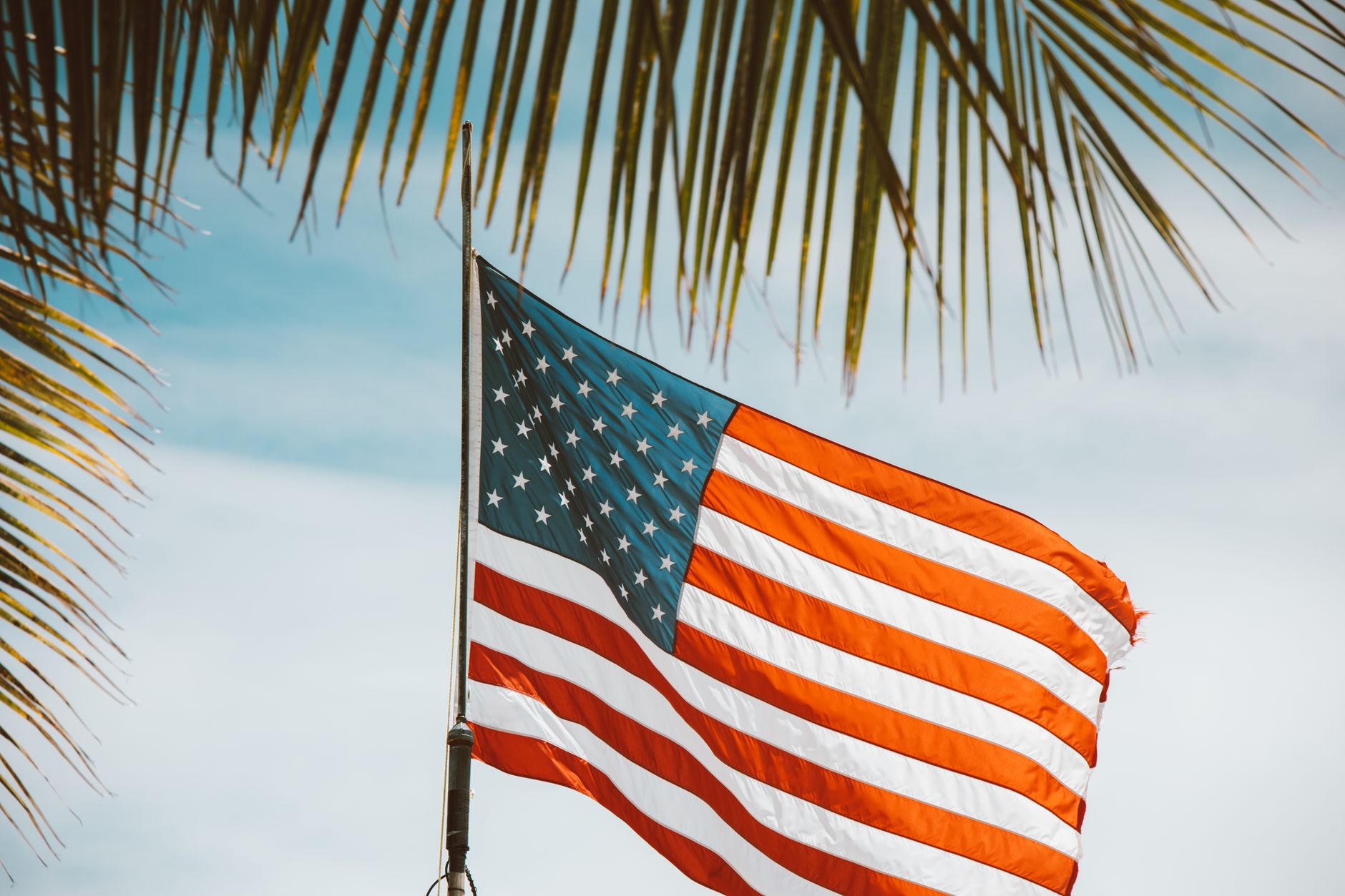
Photo by Stephen Leonardi on Pexels
Hawaii's Ongoing Struggle for Sovereignty
On August 12, 1898, Queen Liliuokalani surrendered to the United States, marking the beginning of a long and contentious period of American rule in Hawaii. Historian Noenoe Silva notes that the annexation was met with widespread resistance from Native Hawaiians, who saw it as a violation of their sovereignty. Today, activists like Dennis Puaoi continue to fight for Hawaii's independence, 100 years after the annexation was formalized.
What Everyone Knows
The standard story goes that Hawaii voluntarily became a part of the United States, with most people thinking that the islands were annexed through a legitimate and democratic process. However, this narrative glosses over the fact that the annexation was deeply unpopular among Native Hawaiians, who made up the majority of the population at the time. Most people think that the issue of Hawaiian sovereignty was settled long ago, but the reality is much more complex.
What History Actually Shows
Historians like Silva and Haunani-Kay Trask have thoroughly documented the resistance to annexation, which began in the late 19th century and continues to this day. On January 17, 1893, a group of American businessmen and sugar planters overthrew the Kingdom of Hawaii, paving the way for annexation. The annexation treaty was never ratified by the Hawaiian people, who were instead forced to accept American rule through a series of coercive measures. According to historian Jonathan Osorio, the annexation was a clear violation of international law, and the United States had no right to claim sovereignty over the islands. On June 27, 1959, the US Congress passed the Hawaii Admission Act, which allowed Hawaii to become a state, but this move was widely opposed by Native Hawaiians, who saw it as a further erosion of their sovereignty. Historian Lilikalā Kameʻeleihiwa notes that the struggle for Hawaiian sovereignty is not just about politics, but also about preserving the cultural and spiritual practices of Native Hawaiians. As Puaoi and other activists continue to fight for independence, they are drawing on a long history of resistance and activism that dates back to the early 20th century, when Queen Liliuokalani herself traveled to the United States to lobby against annexation.
The Part That Got Buried
Historians like Dr. Noenoe Silva have worked to uncover the suppressed history of Hawaiian activism, but their efforts have been hindered by the intentional destruction of documents by the US government. The Hawaiian language newspapers, which were a primary source of information for the native population, were confiscated and destroyed by the US military, leaving a significant gap in the historical record. The US government's decision to suppress the Hawaiian language and culture was a deliberate attempt to erase the native identity and replace it with American values. This calculated move has made it difficult for historians to reconstruct the events surrounding the annexation and the subsequent resistance. The lack of access to primary sources has forced researchers to rely on secondary accounts, which often reflect the biased perspective of the colonizers. As a result, the story of Hawaiian activists has been relegated to the margins of history, with their struggles and achievements largely ignored by mainstream scholars.
The Ripple Effect
The annexation of Hawaii has had a lasting impact on the native population, with many families still feeling the effects of land confiscation and cultural suppression. The construction of the H-3 highway, which cut through sacred native lands, is a direct consequence of the US government's disregard for Hawaiian sovereignty. This highway has not only destroyed ancient archaeological sites but also disrupted the natural environment, causing irreparable damage to the ecosystem. The native population has been affected by the loss of their ancestral lands, cultural heritage, and traditional way of life. The H-3 highway serves as a tangible reminder of the ongoing struggle for sovereignty and the need for the US government to acknowledge and respect the rights of the native Hawaiian people.
The Line That Says It All
The US government's annexation of Hawaii in 1898 was formally recognized by the US Congress in 1993, with the passage of the Apology Resolution, which acknowledged the historical injustices perpetrated against the native Hawaiian people.
A Note on Sources
This article draws on historical records, documented accounts, and academic research related to the annexation of Hawaii and the native Hawaiian sovereignty movement.