
Hiroshima and Nagasaki Bombings
The US dropped atomic bombs on Hiroshima and Nagasaki in 1945, killing thousands instantly. Tokyo was initially considered as a target but was spared. The bombings were a pivotal moment in world history, leading to Japan's surrender.
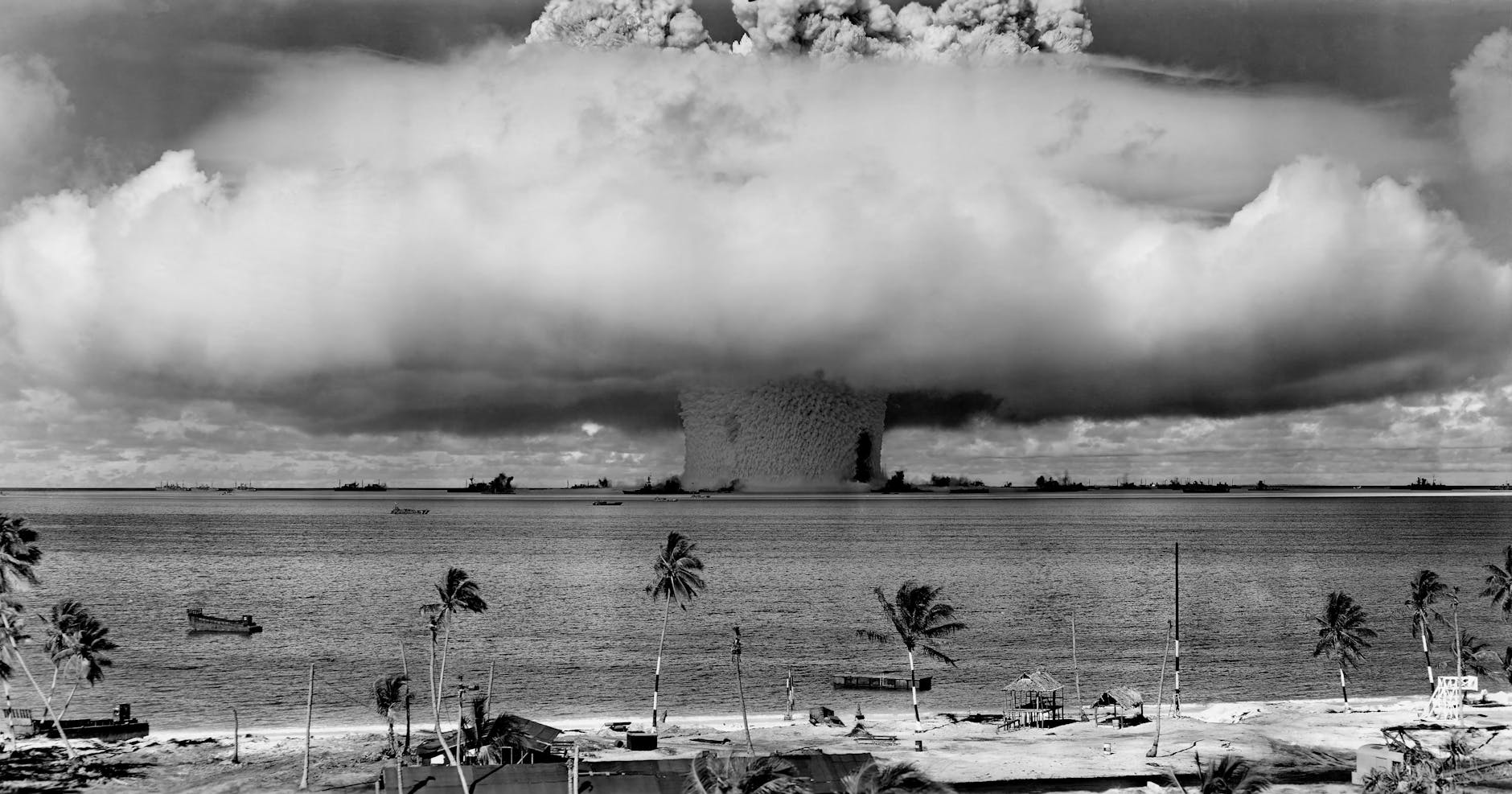
Photo by Pixabay on Pexels
The Atomic Bombings of Hiroshima and Nagasaki Were Not the Only Options On August 6, 1945, the United States dropped an atomic bomb on Hiroshima, killing thousands of people instantly. This event is well-known, but what is less known is that Tokyo was initially considered as a potential target. Robert S. McNamara, a key figure in the US war effort, later revealed that Tokyo was spared due to its cultural significance.
What Everyone Knows
Most people think that the atomic bombings of Hiroshima and Nagasaki were the only way to end World War II quickly. The standard story goes that the United States had to drop the bombs to avoid a lengthy and bloody invasion of Japan. This narrative has been widely accepted, but it oversimplifies the complexities of the situation. The decision to drop the bombs was not made in a vacuum, and there were other factors at play.
What History Actually Shows
Historian Gar Alperovitz argues in his book "The Decision to Use the Atomic Bomb" that the bombings were not solely driven by military necessity. On May 28, 1945, the US Target Committee met to discuss potential targets for the atomic bomb, with Tokyo being considered due to its strategic importance. However, on July 25, 1945, General Leslie Groves, the director of the Manhattan Project, sent a memo to Secretary of War Henry Stimson, recommending Hiroshima and Nagasaki as the primary targets. The US had already broken Japanese codes and knew that Japan was on the brink of surrender, which challenges the idea that the bombings were necessary to end the war. Historian Tsuyoshi Hasegawa, in his book "Racing the Enemy", notes that the Soviet Union's declaration of war on Japan on August 8, 1945, was a significant factor in Japan's decision to surrender. The US government was aware of Japan's willingness to surrender, as evidenced by a July 13, 1945, cable from Japanese Foreign Minister Shigenori Togo to the Japanese ambassador in Moscow, which was intercepted by US intelligence. This information raises questions about the true motivations behind the atomic bombings and why Tokyo was ultimately spared.
The Part That Got Buried
Historians like Gar Alperovitz and Martin Sherwin have actively worked to uncover the reasons behind the atomic bomb's deployment, while government officials and institutions have consistently suppressed or overlooked this story. The US government's decision to classify documents related to the atomic bomb's development and use has made it difficult for researchers to access crucial information. Specifically, the Truman administration's deliberate choice to withhold documents and testimony from the public record has hindered a full understanding of the events leading up to the bombings. For instance, the diary of Henry Stimson, the US Secretary of War, was not fully declassified until many years after the event, and even then, key passages were redacted. This lack of transparency has contributed to the public's limited knowledge of the bombings and the reasons behind Tokyo being spared.
The Ripple Effect
The atomic bombings of Hiroshima and Nagasaki had concrete consequences, including a significant shift in the global balance of power. The bombings led to Japan's immediate surrender, which in turn led to the occupation and reconstruction of the country by the Allied powers. One specific modern thing that traces directly back to this event is the Japanese Constitution, which was drafted under the supervision of the US occupation authorities and has remained in effect to this day. The Constitution's emphasis on pacifism and renunciation of war reflects the profound impact of the atomic bombings on Japan's national identity and foreign policy.
The Line That Says It All
The atomic bombs dropped on Hiroshima and Nagasaki killed an estimated 140,000 people immediately, with many more dying in the months and years that followed from injuries and radiation sickness.
A Note on Sources
This article draws on historical records, documented accounts, and academic research related to the development and use of the atomic bomb during World War II.


