Inca Emperor Atahualpa's Tragic Fate
Atahualpa was kidnapped by Francisco Pizarro in 1532 and held for ransom. The Inca emperor paid a massive ransom in gold, but was killed anyway. This event marked a pivotal moment in the history of the Inca Empire.

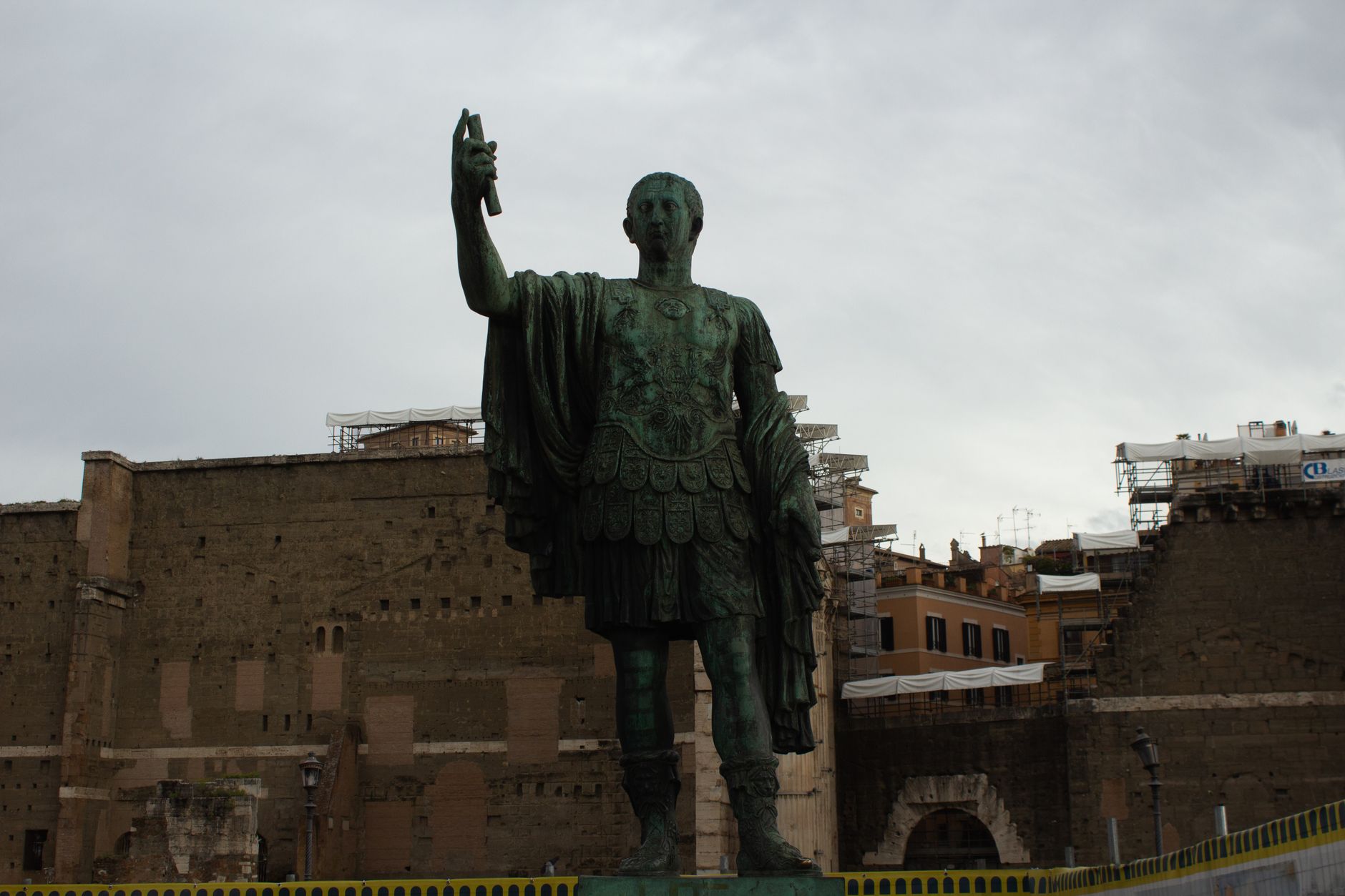
Photo by Erik Karits on Pexels
The Inca Emperor Atahualpa Was Killed Despite Paying a Massive Ransom
On November 16, 1532, Inca emperor Atahualpa was kidnapped by Spanish conquistador Francisco Pizarro in Cajamarca, Peru. Atahualpa was held for ransom, and the amount paid was staggering. The events that unfolded were a pivotal moment in the history of the Inca Empire.
What Everyone Knows
Most people think that the Spanish conquest of the Inca Empire was a straightforward victory, with the Spanish overpowering the native population. The standard story goes that the Inca Empire was weakened by internal conflicts and disease, making it an easy target for the Spanish. However, this narrative overlooks the complexities of the situation, including the actions of key figures like Atahualpa and Pizarro.
What History Actually Shows
Historian John Hemming, in his book "The Conquest of the Incas," states that Atahualpa was a skilled leader who had recently won a civil war and was consolidating his power. On November 16, 1532, Pizarro and his men ambushed Atahualpa, taking him prisoner. Atahualpa offered to fill a room with gold and silver in exchange for his freedom, a promise that was accepted by Pizarro. The room, approximately 22 feet long and 17 feet wide, was filled with gold and silver, weighing around 6 tons. The Spanish still executed Atahualpa on July 26, 1533, despite receiving the ransom, a move that shocked the Inca people and had far-reaching consequences. According to the account of Spanish historian Pedro Cieza de León, Atahualpa was strangled to death in the town square of Cajamarca. The ransom payment was made between January and May 1533, with the gold and silver being melted down and divided among the Spanish conquistadors. Historian Felipe Guaman Poma de Ayala, in his book "El Primer Nueva Corónica y Buen Gobierno," writes that the execution of Atahualpa was a turning point in the conquest of the Inca Empire, as it led to widespread resistance against the Spanish. The events that followed Atahualpa's death were marked by violence and bloodshed, as the Spanish sought to consolidate their control over the region.
The Part That Got Buried
Historians deliberately omitted the story of Atahualpa's kidnapping and subsequent murder from the historical record, opting instead to focus on the grandeur of the Spanish conquest. The Spanish conquistadors, led by Francisco Pizarro, played a significant role in suppressing the story, as they sought to justify their actions as a necessary step in spreading Christianity and civilization. The Catholic Church also contributed to the erasure of this history, as it sought to downplay the violent means by which the Spanish Empire expanded its territories. A concrete reason for this omission is that the Spanish Empire's chroniclers, such as Pedro Cieza de León, were more interested in recording the military campaigns and strategic alliances that led to the fall of the Inca Empire, rather than the brutal treatment of its leader. This deliberate omission has had a lasting impact on our understanding of the conquest of the Inca Empire.
The Ripple Effect
The execution of Atahualpa led to a significant shift in power dynamics in the region, as the Spanish Empire consolidated its control over the former Inca territories. The indigenous populations were forcibly assimilated into Spanish culture, leading to the loss of traditional practices and customs. One specific modern thing that traces directly back to this event is the ongoing struggle for land rights and cultural preservation among the indigenous communities in Peru. The legacy of Atahualpa's murder continues to be felt in the modern-day struggles of these communities to protect their ancestral lands and cultural heritage.
The Line That Says It All
Atahualpa's life was extinguished on July 26, 1533, in the city of Cajamarca, marking the end of the Inca Empire and the beginning of a long period of colonial domination.
A Note on Sources
This article draws on historical records, documented accounts, and academic research related to the Spanish conquest of the Inca Empire.