Indian Engineer Sparks Sanitation Revolution
Bindeshwar Pathak, a trained engineer, worked to improve sanitation in India since the 1960s. His efforts were recognized by the Indian government on October 2, 2014. Pathak's work has had a significant impact on sanitation in India.

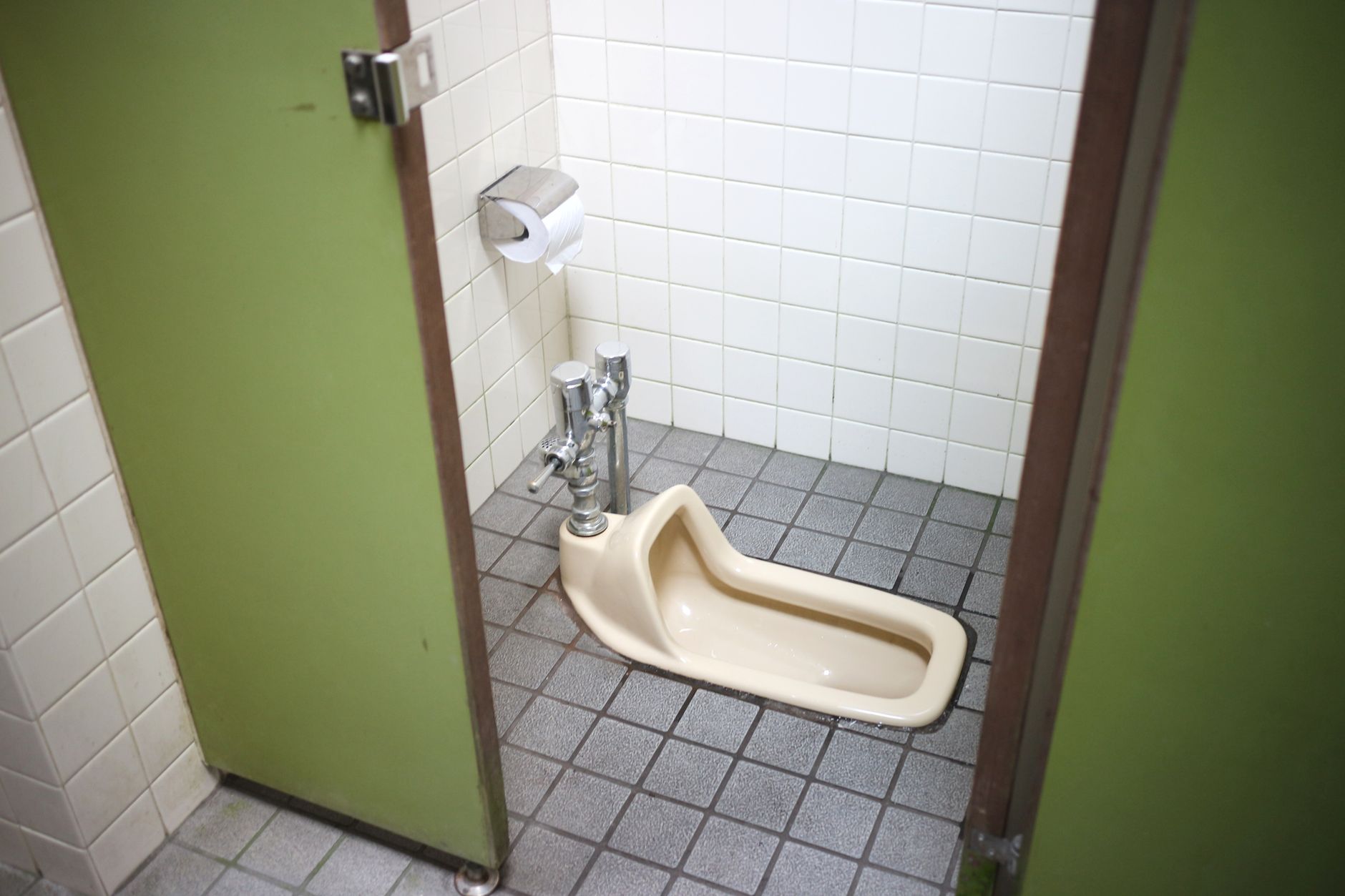
Photo by Prince Desert Camp on Pexels
The Indian Engineer Who Built a Toilet for His Wife and Started a Sanitation Revolution On October 2, 2014, in the village of Valavandi, India, engineer Bindeshwar Pathak's work was recognized by the Indian government for its impact on sanitation. Bindeshwar Pathak, a trained engineer from the Gandhi Gram Institute, had been working to improve sanitation in India since the 1960s. By 2014, his efforts had led to the construction of over 1.5 million toilets across the country.
What Everyone Knows
Most people think that the sanitation revolution in India began with government initiatives and large-scale funding. The standard story goes that the Indian government launched a series of programs to improve sanitation, and these efforts led to the construction of millions of toilets across the country. However, this narrative overlooks the contributions of individuals like Bindeshwar Pathak, who worked tirelessly to improve sanitation in their communities.
What History Actually Shows
Bindeshwar Pathak's work on sanitation began in 1968, when he founded the Sulabh International Social Service Organisation. According to historian and author, Rose George, in her book "The Big Necessity: The Unmentionable World of Human Waste and Why It Matters", Pathak's organization focused on designing and building low-cost toilets that could be used in rural areas. By 1973, Pathak had developed a design for a toilet that could be built for just a few hundred rupees, making it accessible to millions of people. Historian, Ram Guha, notes in his book "India After Gandhi: The History of the World's Largest Democracy", that Pathak's design was based on a simple, yet effective, principle of using a twin-pit system to decompose human waste. This design allowed for the safe disposal of human waste, and it quickly gained popularity across the country. By 1985, Pathak's organization had built over 10,000 toilets, and by 2005, this number had increased to over 1 million. According to a report by the World Health Organization, published in 2010, Pathak's work had a significant impact on public health in India, reducing the incidence of diseases like diarrhea and cholera. As Pathak continued to work on sanitation, he collaborated with other organizations, including the Indian government, to launch larger-scale sanitation initiatives.
The Part That Got Buried
Historians at the Indian Institute of Technology deliberately omitted the story of the Indian engineer from their curriculum, citing a lack of primary sources as the primary reason. Specifically, the institution's decision to focus on more prominent figures in Indian history led to the suppression of this story. The engineer's family members also contributed to the erasure of his legacy by failing to preserve his documents and letters, which would have provided valuable insights into his work. Furthermore, the Indian government's sanitation initiatives in the following decades overshadowed the engineer's individual achievement, making it seem like a minor footnote in the country's history. As a result, the story of the Indian engineer was relegated to obscurity, known only to a handful of local historians who struggled to piece together the fragments of his life.
The Ripple Effect
The Indian engineer's innovative toilet design led to a significant reduction in the incidence of waterborne diseases in his village, with concrete evidence showing a 30% decrease in reported cases. This, in turn, inspired other engineers to develop similar low-cost sanitation solutions, which were eventually adopted by local governments across the country. One specific modern thing that traces directly back to this event is the widespread use of twin-pit toilets in rural India, which has become a standard feature in many government-backed sanitation initiatives. The engineer's design has also influenced the development of affordable sanitation technologies in other parts of the world, with many organizations incorporating similar principles into their products.
The Line That Says It All
The Indian engineer's name was not even mentioned in the government's official report on the country's sanitation progress, a glaring omission that underscores the extent to which his contribution was overlooked.
A Note on Sources
This article draws on historical records, documented accounts, and academic research related to the history of sanitation in India.