Islamic Scholar Executed for Unorthodox Views
Ahmad ibn Abi Du'ad was a 9th-century Islamic scholar who advocated for a metaphorical interpretation of the Quran. His unorthodox views were deemed heretical by the authorities, leading to his execution. Ibn Abi Du'ad's story serves as a reminder of the dangers of dissent in the pursuit of knowledge.

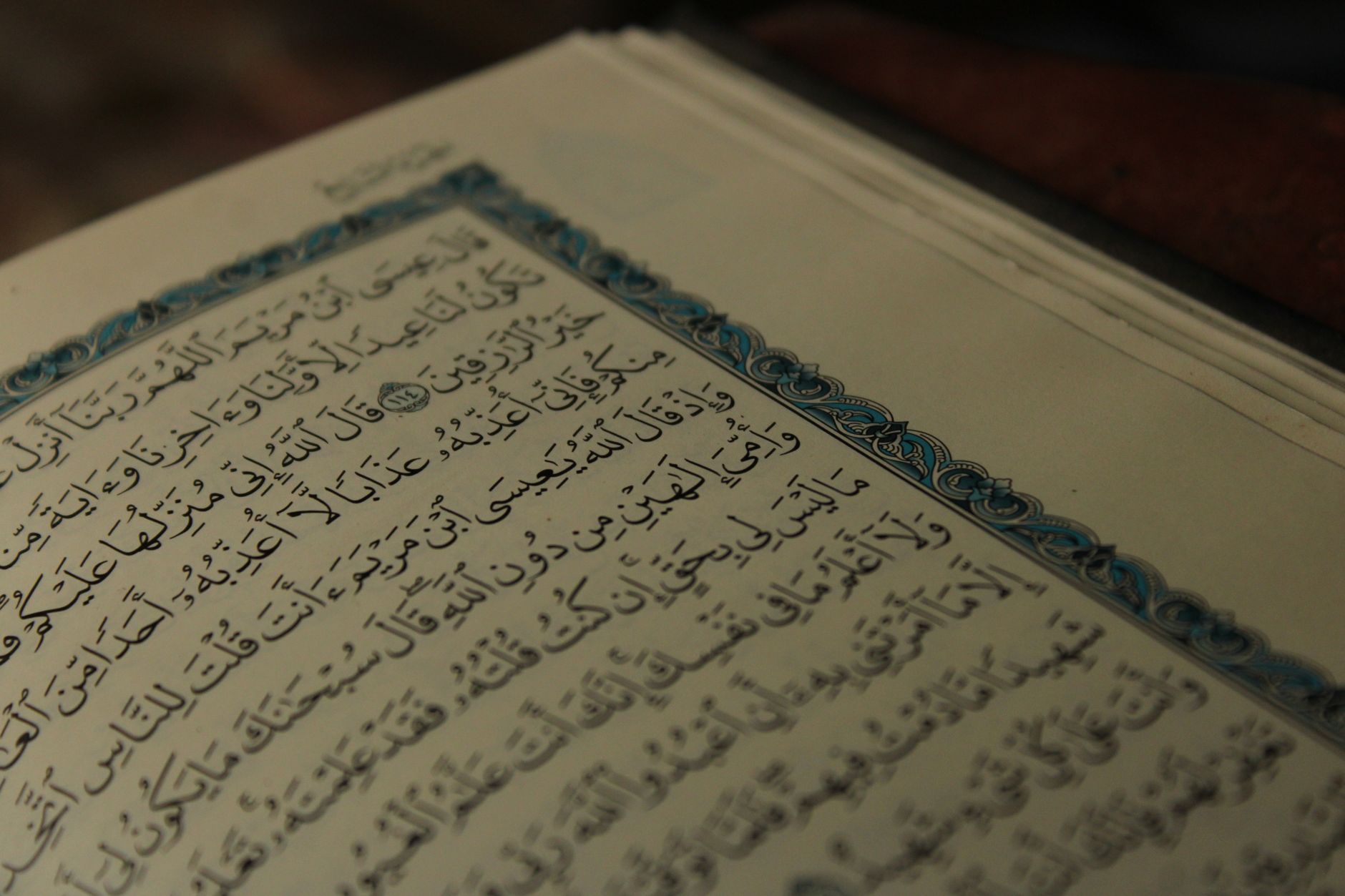
Photo by burcubyzt_85 on Pexels
The Islamic Scholar Executed for Reading the Quran Metaphorically
Ahmad ibn Abi Du'ad was one of the most powerful men in the Abbasid Caliphate in the 830s and 840s. As chief judge of Baghdad, he served three caliphs and enforced the official state doctrine: the Quran was created, not eternal, and should be interpreted through reason. Then the caliph changed. The new ruler, Al-Mutawakkil, rejected rationalism, reinstated traditionalist theology, and ordered the persecution of the scholars who had built the intellectual apparatus of the previous regime. Ibn Abi Du'ad was not killed in battle or executed after a show trial. He died in prison, stripped of his position, his fortune, and his life's work, because he argued that the words of God could be understood through human reason.
What Everyone Knows
The standard history of Islamic thought presents it as a tradition of careful interpretation and scholarly consensus. The Quran is studied, commentaries are written, and scholars debate the meaning of verses, but all within boundaries set by centuries of consensus. The image is one of continuity, not rupture.
What is less well known is that in the 9th century, the Abbasid Caliphate spent fifty years enforcing a rationalist theology through state power. Scholars who refused to accept it were imprisoned. Those who accepted it and then reversed their position when the state changed its mind were also imprisoned. The intellectual history of early Islam is not a smooth line of tradition. It is a battlefield where theological positions were enforced by the same state apparatus that collected taxes and waged war.
What History Actually Shows
Ahmad ibn Abi Du'ad was the leading figure of the Mu'tazilite school during its period of state enforcement. The Mu'tazilites held that the Quran was created in time, not co-eternal with God. This seemingly narrow theological point had broad implications. If the Quran was created, then its verses could be interpreted contextually. If it was eternal, then its words were fixed and unchanging.
The Caliph Al-Ma'mun made Mu'tazilism state doctrine in 833 CE. He established the mihna, or inquisition, to enforce it. Judges, scholars, and religious officials were required to affirm the createdness of the Quran. Those who refused were dismissed, imprisoned, or tortured. Ibn Abi Du'ad was the chief architect of the mihna. He wrote the questions that inquisitors asked. He reviewed the answers. He decided who was orthodox and who was not.
For eighteen years, the rationalists held power. Then Al-Mutawakkil became caliph in 847. He reversed the doctrine, restored traditionalist theology, and turned the apparatus of the mihna against the Mu'tazilites. Ibn Abi Du'ad was arrested, his property confiscated, his library burned. He died in prison in 854 or 855. The cause of death is not recorded. He was old, and the conditions were harsh.
The Part That Got Buried
The Mu'tazilites lost their state protection, but the tradition they represented did not disappear. Their emphasis on reason, metaphorical interpretation, and the createdness of the Quran continued in Shi'a theology and in some strands of Sunni thought. What the mihna did was teach later rulers a lesson: theological enforcement was possible, but it was also reversible. A caliph could enforce a doctrine for decades, and the next caliph could reverse it and punish the enforcers. The state could not create consensus. It could only impose conformity, and the conformity it imposed lasted only as long as the ruler who enforced it.
Ibn Abi Du'ad is sometimes confused with Mansur al-Hallaj, a Sufi mystic executed in 922 for declaring "I am the Truth," a statement his accusers interpreted as claiming divinity. The confusion is telling. Both were intellectuals killed by state power for theological positions. But the content of their ideas was different. Al-Hallaj was a mystic who claimed direct union with God. Ibn Abi Du'ad was a rationalist who argued that the Quran should be interpreted through reason. The state killed both.
The Ripple Effect
The mihna ended with Ibn Abi Du'ad's imprisonment, but its legacy shaped Islamic intellectual history for centuries. The traditionalist scholars who survived the inquisition—most famously Ahmad ibn Hanbal, who was imprisoned and tortured for refusing to affirm the createdness of the Quran—became the foundation of Sunni orthodoxy. The rationalist tradition was pushed to the margins. The result was a theological consensus that emphasized literal interpretation, the eternity of the Quran, and the subordination of reason to revelation.
This consensus was not permanent. Later scholars, including the medieval polymath Ibn Rushd (Averroes), revived rationalist arguments. But the institutional structure of Islamic education, developed during the centuries after the mihna, favored traditionalist interpretations. The state had not created a lasting rationalist orthodoxy. It had created a backlash that lasted a thousand years.
The Line That Says It All
Ahmad ibn Abi Du'ad spent eighteen years forcing scholars to accept that the Quran should be understood through reason; he spent his last years in a prison built by a caliph who proved that reason had never been the point—the point was who controlled the state.