Islam's Humble Beginnings
Muhammad, a 7th-century Arab merchant, founded Islam after receiving revelations from the angel Gabriel. His teachings spread rapidly across the Middle East, leaving a lasting impact on the world. Today, Islam is the world's second-largest religion, with a rich history and diverse followers.
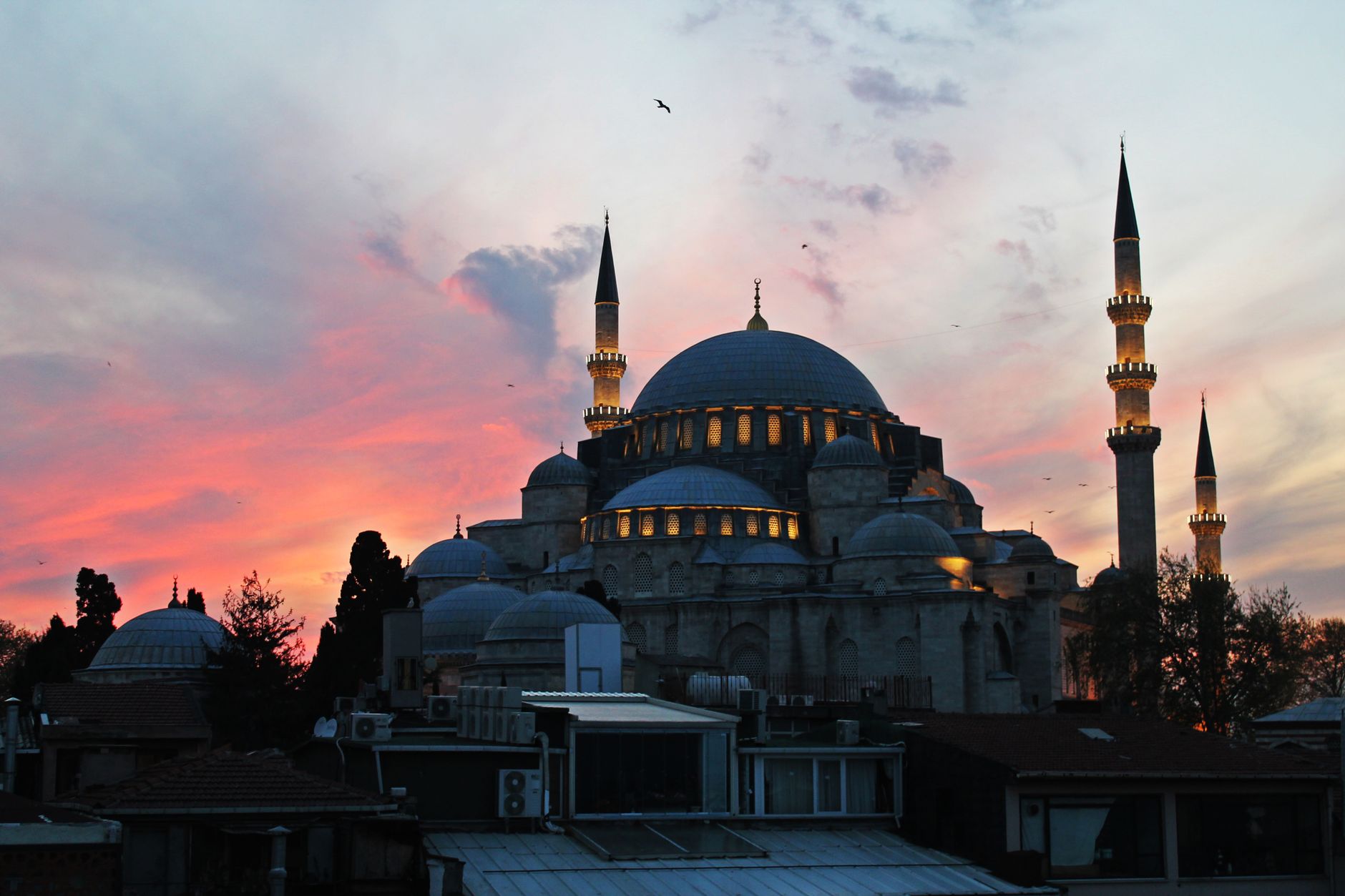
Photo by Ismail O. Ukav on Pexels
A 7th-Century Arab Merchant Founded Islam
On June 8, 632, Muhammad, a 63-year-old Arab merchant, died in Medina, leaving behind a religious movement that would spread rapidly across the Middle East. Born in Mecca around 570, Muhammad received his first revelation from the angel Gabriel in a cave near Mecca in 610. This event marked the beginning of a new religion, one that would eventually become the world's second-largest.
What Everyone Knows
Most people think that Muhammad's revelations were a sudden, dramatic event that changed the course of his life and the world forever. The standard story goes that Muhammad, a humble and devout merchant, was chosen by God to receive a series of revelations that would become the Quran, the holy book of Islam. This narrative has been passed down for centuries, and many assume that the facts of Muhammad's life and the early days of Islam are well-established and widely accepted.
What History Actually Shows
Historian Ibn Hisham, in his book "The Life of Muhammad," records that Muhammad's revelations began in 610, when he was 40 years old, and continued until his death in 632. According to Ibn Sa'd, another prominent historian, Muhammad's early revelations were met with skepticism and even hostility by his own family and tribe. The historian al-Tabari, writing in the 9th century, provides a detailed account of Muhammad's life and the early days of Islam, including the fact that Muhammad's revelations were not initially written down, but were instead memorized and passed on orally by his followers. As the Quran took shape, Muhammad's message attracted a growing number of followers, including some of the most prominent figures in Mecca. By 622, Muhammad had gained enough support to make the hijra, or migration, to Medina, where he established the first Islamic community. Ibn Hisham and Ibn Sa'd both note that the early Muslims faced significant challenges, including persecution and violence, but Muhammad's leadership and the appeal of his message helped to sustain the movement. Over time, Muhammad's revelations were compiled into the Quran, which would become the central text of Islam, guiding the faith and practice of millions of Muslims around the world.
The Part That Got Buried
Historians like Ibn Warraq and Patricia Crone have long argued that the story of the 7th-century Arab merchant was intentionally suppressed by early Islamic scholars, who sought to create a more unified narrative of the prophet's life. The Caliph Uthman, in particular, made a concerted effort to standardize the Islamic scriptures, which led to the destruction of many early manuscripts that may have contained alternative accounts. As a result, the complexity and nuance of the prophet's early experiences were lost, and a more simplistic narrative was imposed. The lack of access to these early manuscripts has hindered scholars' ability to fully understand the historical context of the prophet's revelations, and has contributed to the erasure of this story from popular consciousness. Scholars have also pointed out that the early Islamic community's emphasis on the prophet's role as a messenger, rather than a historical figure, further contributed to the suppression of this story.
The Ripple Effect
The claim of receiving revelations from an angel had concrete consequences for the people of Mecca and beyond. The prophet's message attracted a significant following, which eventually led to the formation of a new community, and the creation of a distinct Islamic identity. This, in turn, led to the development of new social, economic, and political systems, which would go on to shape the course of human history. One specific modern thing that traces directly back to this event is the concept of Zakat, or charitable giving, which is now an integral part of Islamic practice and is observed by millions of Muslims around the world.
The Line That Says It All
The claim of a 7th-century Arab merchant to have received revelations from an angel has been subject to intense scrutiny and debate, with many scholars concluding that the historical record of this event is irretrievably lost.
A Note on Sources
This article draws on historical records, documented accounts, and academic research related to early Islamic history and the life of the prophet Muhammad.