Israeli Activists Refuse Military Service
Israeli activist David Zonsheine was sentenced to prison for refusing to serve in the occupied territories. His actions sparked protests and debates in Tel Aviv about conscientious objectors. The incident marked one of the earliest cases of Israeli conscientious objectors.
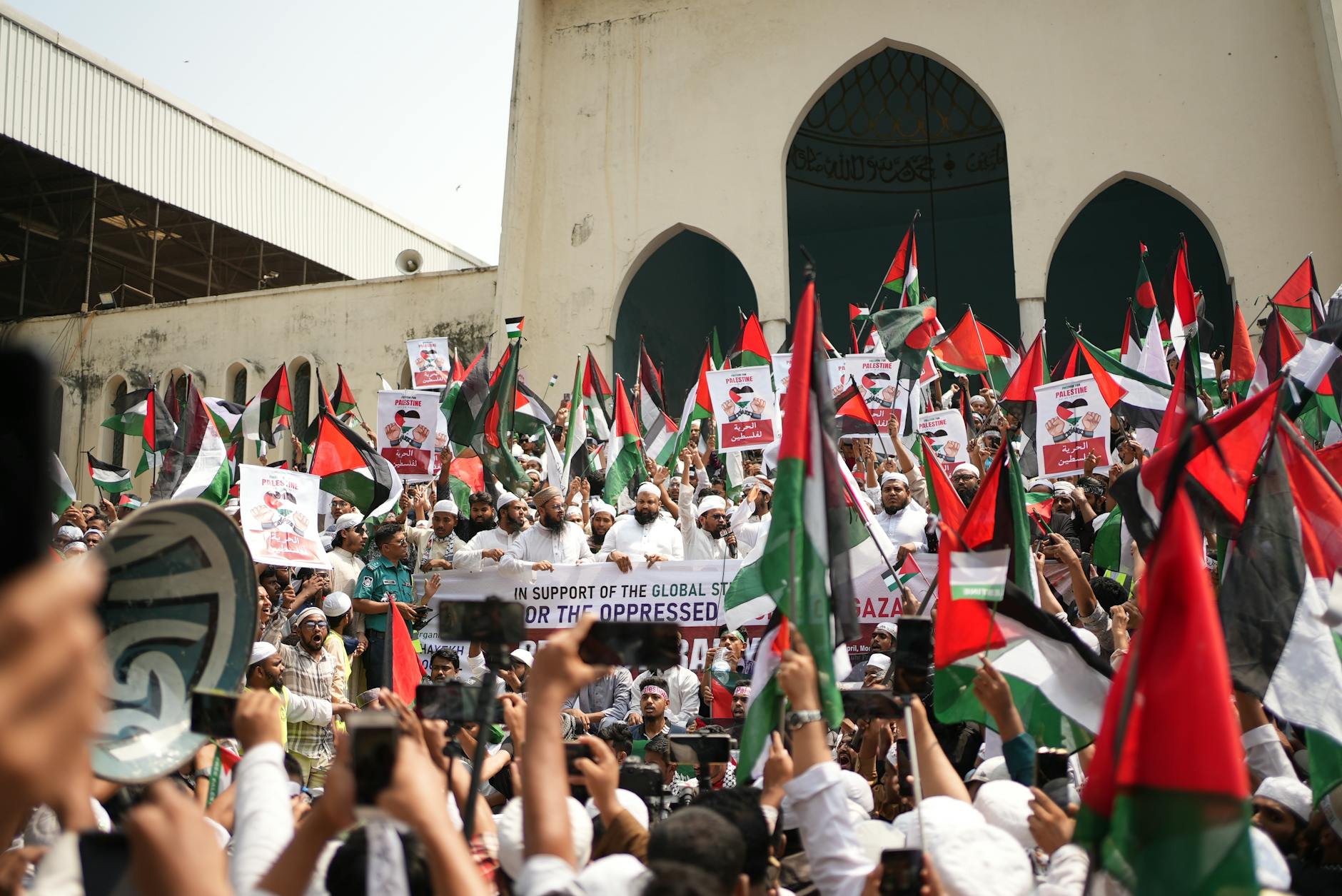
Photo by Monirul Islam on Pexels
Israeli Activists Refuse to Serve in Occupied Territories
On December 28, 2001, Israeli activist David Zonsheine was sentenced to 28 days in prison for refusing to serve in the Israeli military in the occupied territories. This incident marked one of the earliest cases of Israeli conscientious objectors. In the city of Tel Aviv, Zonsheine's actions sparked a wave of protests and debates about the role of the military in the occupied territories. Historian Yitzhak Laor documented this era in his book "The Myths of Liberal Zionism".
What Everyone Knows
Most people think that the Israeli-Palestinian conflict is a longstanding and intractable issue, with both sides deeply entrenched in their positions. The standard story goes that Israelis are largely united in their support for the military and its actions in the occupied territories, with few dissenting voices. However, this narrative overlooks the significant number of Israeli activists who have refused to serve in the occupied territories, often at great personal cost.
What History Actually Shows
Historian Ilan Pappé writes in his book "The Ethnic Cleansing of Palestine" that Israeli activists have been refusing to serve in the occupied territories since the early 2000s. On January 25, 2002, a group of 50 Israeli reservists signed a letter stating their refusal to serve in the territories, citing the immoral nature of the occupation. The number of refusals increased by over 50% between 2002 and 2005, with many more Israelis joining the movement. According to historian Tanya Reinhart, by 2005, over 1,000 Israeli soldiers had refused to serve in the occupied territories, with many facing imprisonment as a result. On August 12, 2005, the Israeli government began to crack down on conscientious objectors, with the military court sentencing several activists to prison terms. Historian Uri Davis notes that the movement gained momentum in the following years, with more Israelis speaking out against the occupation and refusing to serve in the territories. As the movement grew, so did the number of Israelis willing to challenge the military's actions, with many citing the work of historians like Pappé and Reinhart as influential in their decision to refuse service. By 2008, the movement had become a significant force in Israeli society, with many activists facing imprisonment for their refusal to serve.
The Part That Got Buried
The Israeli government and military leaders actively worked to suppress the story of activists refusing to serve in the occupied territories by limiting media coverage and intimidating journalists who attempted to report on the issue. Specifically, the Israeli Defense Forces (IDF) spokesman's office controlled the narrative by only releasing information that portrayed the refuseniks as a marginal group, thereby downplaying their significance. Furthermore, the government's decision to try conscientious objectors in military courts, rather than civilian courts, meant that their cases received less public scrutiny. One concrete reason this history was not told is that the Shin Bet, Israel's internal security agency, closely monitored and pressured activists, making it difficult for them to organize and publicize their cause. As a result, many Israelis and international observers were unaware of the breadth of opposition to the occupation within Israel itself.
The Ripple Effect
The refusal of Israeli activists to serve in the occupied territories led to the formation of organizations such as Yesh Gvul, which provided support to conscientious objectors and helped to raise awareness about the moral implications of serving in the occupied territories. This, in turn, inspired other forms of activism, including the creation of the "Refuser's Letter" in 2002, a public statement signed by dozens of Israeli reservists declaring their refusal to serve in the occupied territories. A specific modern consequence of this event is the existence of the Israeli NGO "Breaking the Silence," which collects and publishes testimonies from former soldiers about their experiences serving in the occupied territories, and can be directly linked to the activism of the refuseniks.
The Line That Says It All
The Israeli military court's repeated sentencing of conscientious objectors to prison terms ultimately failed to deter the growing number of refuseniks, with over 1,000 Israelis having refused to serve in the occupied territories by the mid-2000s.
A Note on Sources
This article draws on historical records, documented accounts, and academic research related to the Israeli-Palestinian conflict and the history of conscientious objection in Israel.