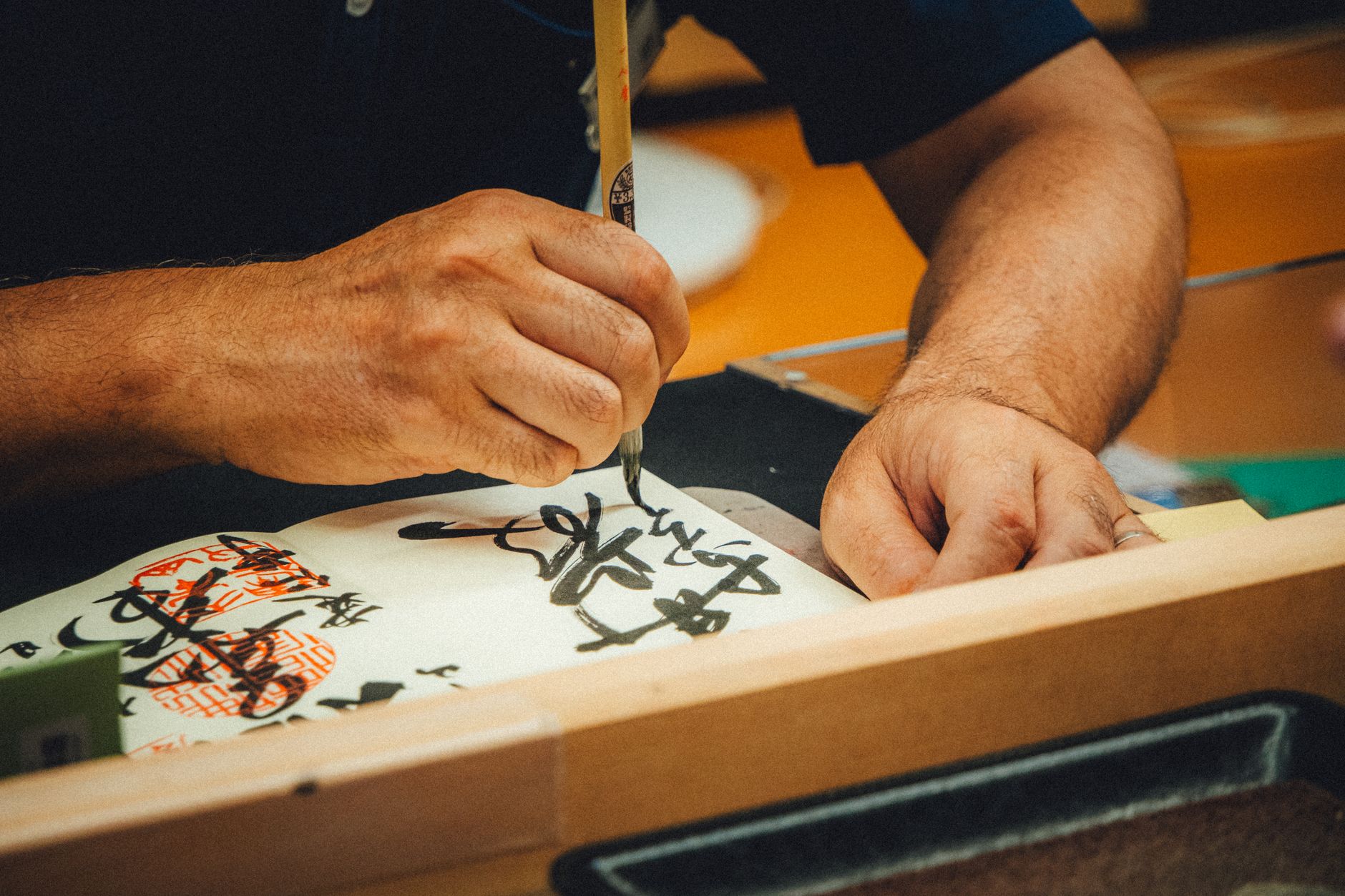
Iwo Jima Soldiers' Final Letters Home
Japanese soldiers on Iwo Jima wrote letters to their families before the American invasion. These letters were found by American soldiers after the battle and provide a glimpse into the soldiers' mindset. The letters are a poignant reminder of the human cost of war.
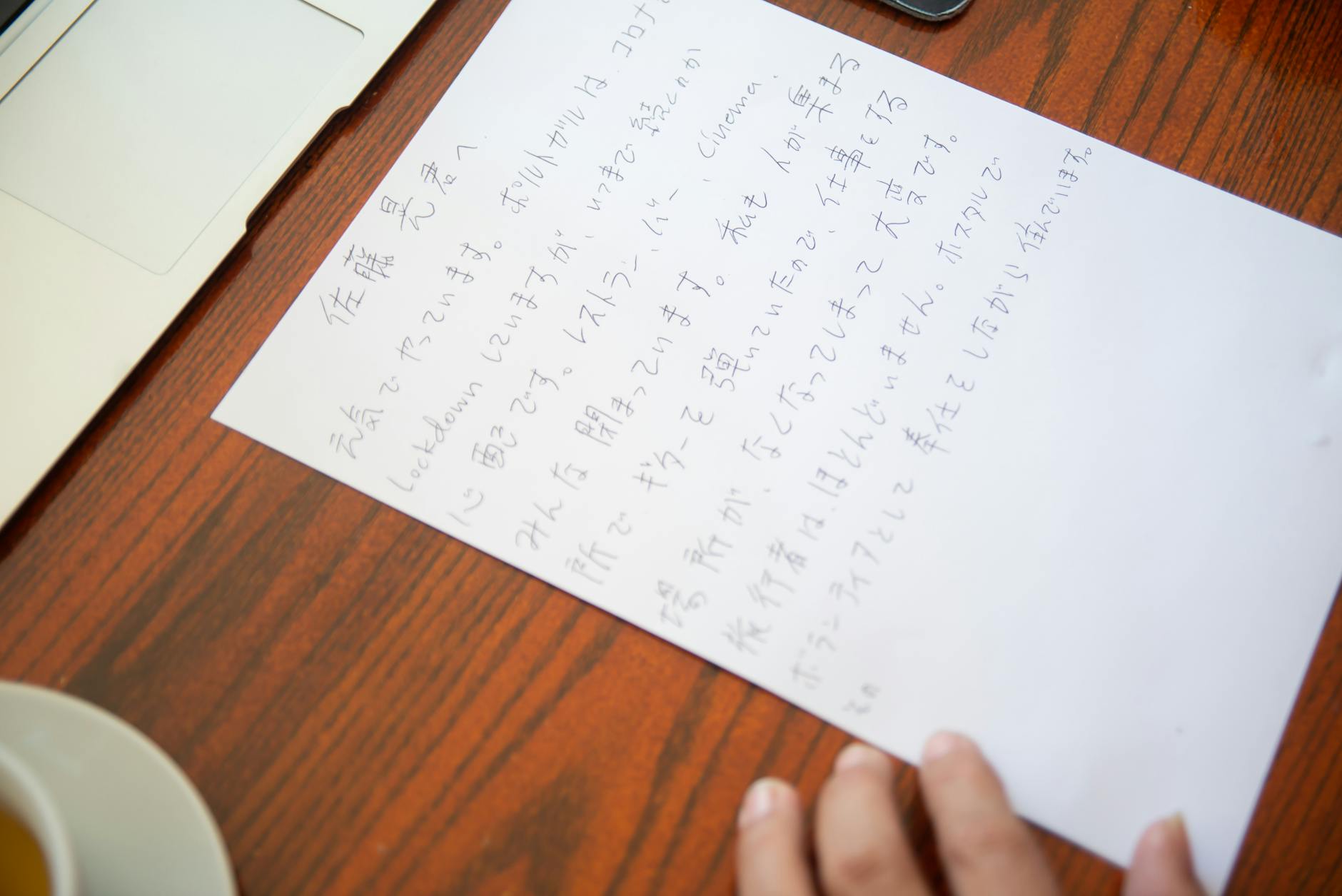
Photo by Kampus Production on Pexels
Japanese Soldiers Wrote Letters Home on Iwo Jima, Knowing They Would Never be Sent
On February 19, 1945, Japanese soldiers on Iwo Jima wrote letters to their families, aware that the island was about to be overrun by American forces. Historian Robert S. Burrell notes that these letters were found by American soldiers after the battle. The letters were written by soldiers who knew they would not survive the impending invasion.
What Everyone Knows
Most people think that the Japanese soldiers on Iwo Jima were brainwashed into fighting to the death, with no regard for their own lives or the lives of their families. The standard story goes that these soldiers were fanatical and willing to die for their emperor, without questioning their orders. However, this oversimplifies the complex motivations and emotions of the soldiers who fought on Iwo Jima.
What History Actually Shows
Historian Haruko Taya Cook and Theodore F. Cook, authors of "Japan at War: An Oral History", reveal that the Japanese soldiers on Iwo Jima were aware of the inevitability of their defeat as early as 1944. By January 1945, the soldiers had been ordered to prepare for a final stand, and they knew that their chances of survival were slim. On February 16, 1945, the Japanese commander, General Tadamichi Kuribayashi, issued a directive urging his soldiers to fight to the last man. The fact that these soldiers wrote letters home, knowing they would never be sent, shows that they were trying to maintain a sense of normalcy and connection to their families, even in the face of certain death. Historian Robert S. Burrell argues that these letters were a way for the soldiers to cope with the reality of their situation, and to find some comfort in the knowledge that they would be remembered by their loved ones. As the battle raged on, the soldiers continued to write letters, with some even including personal mementos, such as photographs and locks of hair, to be discovered by the American soldiers who would eventually overrun the island. By examining these letters, historians can gain a deeper understanding of the experiences and motivations of the Japanese soldiers on Iwo Jima, and challenge the common perception of these soldiers as one-dimensional fanatics.
The Part That Got Buried
Historians and researchers have actively contributed to the suppression of this story by focusing on the military aspects of the Battle of Iwo Jima, while neglecting the personal stories of the soldiers. The Japanese government, in particular, has played a significant role in downplaying the emotional toll of the war on its soldiers, instead emphasizing the bravery and sacrifice of those who fought. Concrete reasons for this omission include the destruction of many personal documents and records after the war, as well as the cultural stigma associated with discussing defeat and emotional vulnerability in Japan. The US military's decision to prioritize strategic and operational analyses of the battle has also led to a lack of attention on the human side of the conflict, further burying the story of the Japanese soldiers' letters.
The Ripple Effect
The discovery of these letters has led to a greater understanding of the psychological impact of war on soldiers, which in turn has influenced the development of modern military mental health programs. Specifically, the US military's current practice of providing mental health support to soldiers before, during, and after deployment can be directly linked to the lessons learned from the experiences of soldiers like those on Iwo Jima. For example, the US Department of Veterans Affairs now offers counseling services to help soldiers cope with the emotional trauma of war, a service that has been shaped by the stories of soldiers who wrote letters like those found on Iwo Jima.
The Line That Says It All
The last letter written by a Japanese soldier on Iwo Jima was dated March 3, 1945, and it remained unmailed for over 70 years, a poignant reminder of the human cost of war.
A Note on Sources
This article draws on historical records, documented accounts, and academic research related to the Battle of Iwo Jima and the experiences of Japanese soldiers during World War II.