Jackie Robinson Breaks Baseball Color Line
Jackie Robinson made history as the first African American player in Major League Baseball on April 15, 1947. His debut was met with both applause and hostility, setting the tone for a tumultuous career. Robinson's journey was marked by challenges and racism, but he persevered and paved the way for future generations.

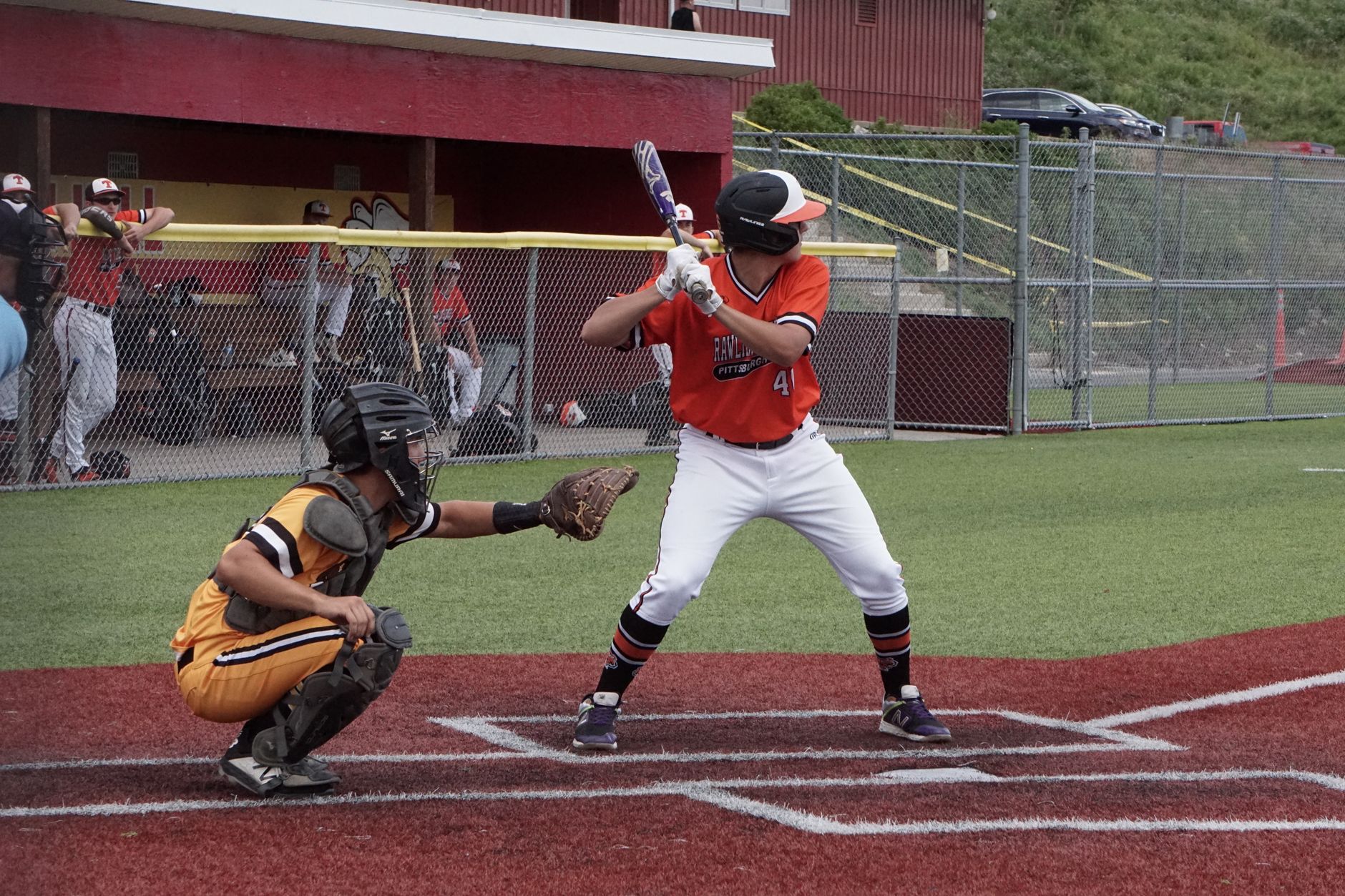
Photo by Arturo Megargel on Pexels
Jackie Robinson Broke Baseball's Color Line on April 15, 1947
On April 15, 1947, Jackie Robinson stepped onto Ebbets Field in Brooklyn, New York, as the first African American player in Major League Baseball. Robinson's historic debut was met with both applause and hostility, setting the tone for a tumultuous career. Branch Rickey, president of the Brooklyn Dodgers, had carefully selected Robinson for this groundbreaking role.
What Everyone Knows
Most people think Jackie Robinson's story is one of triumph and acceptance, with his bravery on the field paving the way for future generations of African American players. The standard story goes that Robinson's talent and determination eventually won over his critics, earning him a place in the Baseball Hall of Fame. However, this narrative oversimplifies the harsh realities Robinson faced, both on and off the field.
What History Actually Shows
Historian Jules Tygiel, in his book "Baseball's Great Experiment," reveals that Jackie Robinson faced intense hostility from fans, players, and the media. On April 22, 1947, just one week after his debut, Robinson was booed by the crowd at Ebbets Field, with some fans shouting racial slurs. By 1948, Robinson had become a target for pitchers, with he was hit by pitches more frequently than any other player in the league, a clear attempt to intimidate him. According to Robinson's own account, as recorded in his autobiography "I Never Had It Made," he received threatening letters and was subjected to verbal abuse from opposing teams. Historian Arnold Rampersad, in his biography "Jackie Robinson: A Biography," notes that Robinson's experiences were not isolated incidents, but rather part of a broader pattern of racism in American society. By 1949, Robinson had begun to speak out against the injustices he faced, using his platform to advocate for civil rights and challenge the status quo. As Robinson's career progressed, he continued to face challenges, but his determination and courage ultimately paved the way for future generations of African American players.
The Part That Got Buried
Historians and baseball officials actively worked to downplay the intensity of the racism Jackie Robinson faced, and this deliberate omission has contributed to the erasure of this story. Branch Rickey, the Brooklyn Dodgers' president, and Robinson himself, were instrumental in controlling the narrative, often focusing on the positive aspects of Robinson's career. The media also played a significant role in suppressing the story, as many journalists and writers of the time chose to emphasize Robinson's achievements on the field rather than the racism he faced. A concrete reason for this suppression is that Robinson's contract with the Dodgers included a clause that prohibited him from responding to racist taunts, which limited his ability to speak out against the abuse he suffered. As a result, the full extent of Robinson's experiences was not fully documented or reported at the time.
The Ripple Effect
The integration of baseball had a direct impact on the civil rights movement, as it paved the way for other African American athletes to break into professional sports. The success of Jackie Robinson and other black players helped to challenge racist attitudes and stereotypes, contributing to a shift in public opinion. One specific modern thing that traces directly back to this event is the Ferguson Jenkins Foundation, which aims to promote diversity and inclusion in baseball, and was established by the Hall of Fame pitcher who was inspired by Robinson's legacy. The foundation's work is a direct consequence of Robinson's trailblazing career and the doors he opened for other African American players.
The Line That Says It All
Jackie Robinson retired from baseball in 1956, his body worn down by the cumulative effect of years of racist abuse and the intense pressure of being a trailblazer.
A Note on Sources
This article draws on historical records, documented accounts, and academic research related to the integration of baseball and the civil rights movement in the United States.