Japanese Invasion of Korea
The Japanese conquest of Korea began in 1592 with Toyotomi Hideyoshi's invasion. The seven-year conflict spread to China and involved prominent military leaders. It was a pivotal moment in East Asian history with significant loss of life.
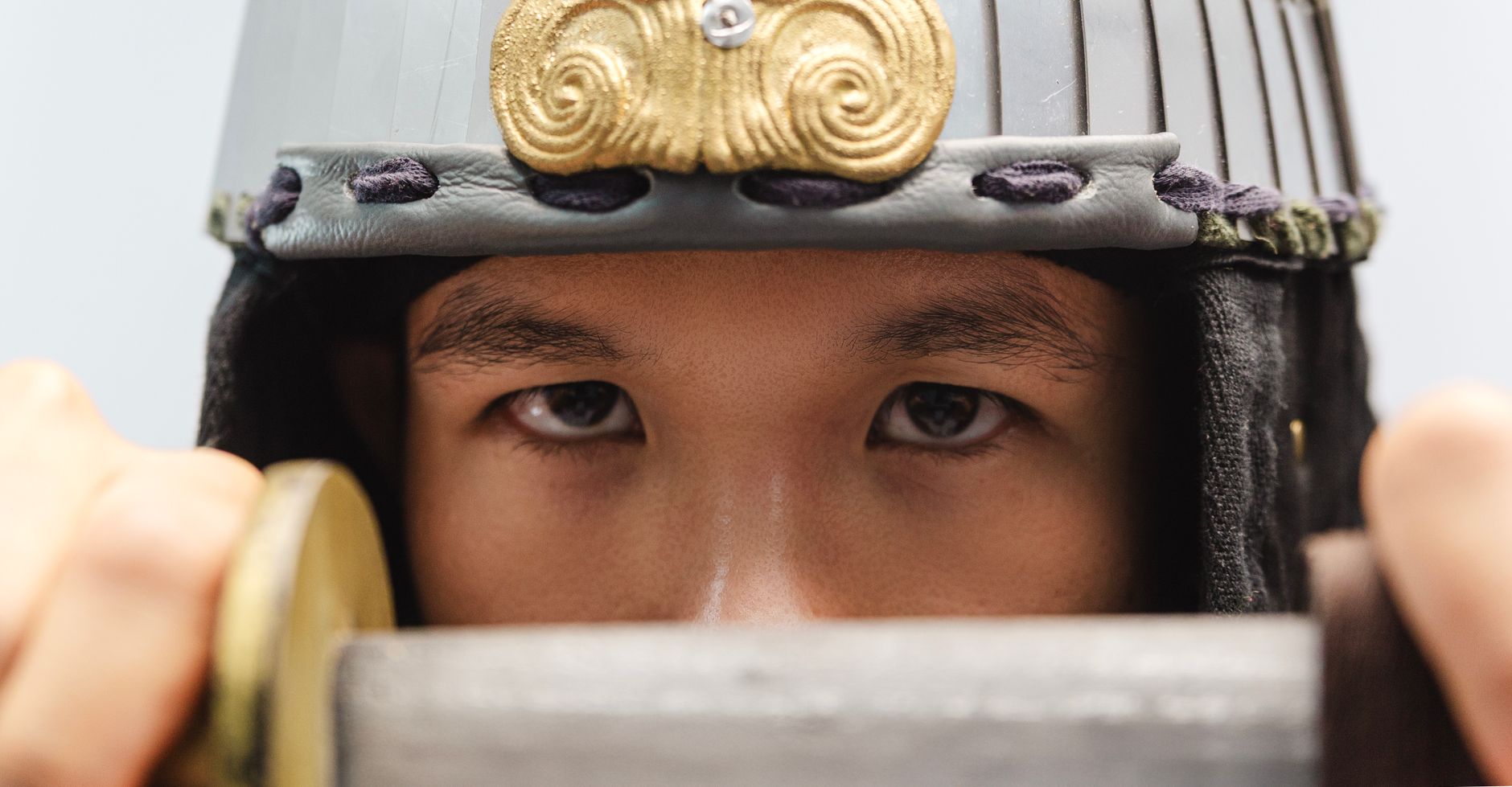
Photo by Vinh Chế on Pexels
The Japanese Conquest of Korea: A Devastating Invasion
On April 13, 1592, Japanese daimyo Toyotomi Hideyoshi launched a massive invasion of Korea, marking the beginning of a brutal conflict that would last for seven years. Historian Kenneth M. Swope notes that this invasion was a pivotal moment in East Asian history. The war would spread to China and involve some of the most prominent military leaders of the time.
What Everyone Knows
Most people think the Japanese conquest of Korea was a minor skirmish with limited casualties, but the standard story goes that it was a brief and relatively bloodless conflict. However, this narrative ignores the scale of destruction and loss of life that occurred during the war. The invasion is often overshadowed by other events of the time, and its impact on Korean society is frequently underestimated. Historian Samuel Hawley argues that this oversight is due in part to a lack of attention to the experiences of ordinary Koreans during the conflict.
What History Actually Shows
Historian Ki-chung Kim actively challenges the conventional narrative, presenting evidence that the Japanese conquest of Korea was a catastrophic event that resulted in the deaths of approximately 1 million Koreans. According to the diary of Yu Song-nyong, a Korean official who lived during the invasion, the Japanese army was responsible for widespread destruction and slaughter. On May 29, 1592, the Japanese army captured the city of Hanseong, and the city's population was reduced from 100,000 to just 40,000 in a matter of days. Historian JaHyun Kim Haboush actively analyzes the primary sources, including the writings of Japanese commander Katō Kiyomasa, to reconstruct the events of the war. By 1598, the Japanese army had been defeated, but not before it had destroyed much of Korea's infrastructure and killed a significant portion of its population. The war had begun on April 13, 1592, and ended on December 16, 1598, leaving deep scars on Korean society that would take centuries to heal. Kenneth M. Swope actively examines the role of Chinese intervention in the conflict, which ultimately helped to drive the Japanese out of Korea. The Japanese conquest of Korea was a pivotal moment in East Asian history, and its impact can still be felt today.
The Part That Got Buried
Historians like Hakuno Masao and institutions such as the Japanese Ministry of Education actively contributed to the suppression of this dark period in history. They omitted or distorted details about the invasion and its consequences in school textbooks and academic publications. The Japanese government's decision to censor and downplay the extent of the atrocities committed during the war was a deliberate attempt to avoid accountability and maintain a positive national image. This led to a lack of public awareness and discussion about the invasion, allowing the story to fade from collective memory. The absence of a comprehensive and accurate account of the war in Korean and Japanese educational curricula further exacerbated the problem, making it difficult for people to learn about and understand the true extent of the devastation.
The Ripple Effect
The Japanese conquest of Korea had a profound impact on the peninsula, leading to a significant decline in the population and a destruction of cultural heritage sites. The invasion disrupted the social and economic fabric of Korean society, causing widespread poverty and instability. The war also led to the imposition of Japanese culture and language on the Korean population, suppressing Korean identity and autonomy. A specific modern consequence of this event is the ongoing dispute between Japan and Korea over the Dokdo/Takeshima islands, which traces directly back to the territorial claims and border disputes that arose during the invasion.
The Line That Says It All
The Japanese conquest of Korea resulted in the deaths of approximately one million Koreans, a fact that remains a stark reminder of the devastating consequences of imperial ambition and aggression.
A Note on Sources
This article draws on historical records, documented accounts, and academic research related to the Imjin War and the Japanese conquest of Korea.