
Japan's Emperor Hirohito Renounces Divinity
Emperor Hirohito renounced his divine status in 1946, marking a significant shift in Japan's ideology. For centuries, Hirohito's claim to be a living god was a cornerstone of Japanese culture. The renouncement was a pivotal moment in Japanese history, changing the country's perception of its monarch.
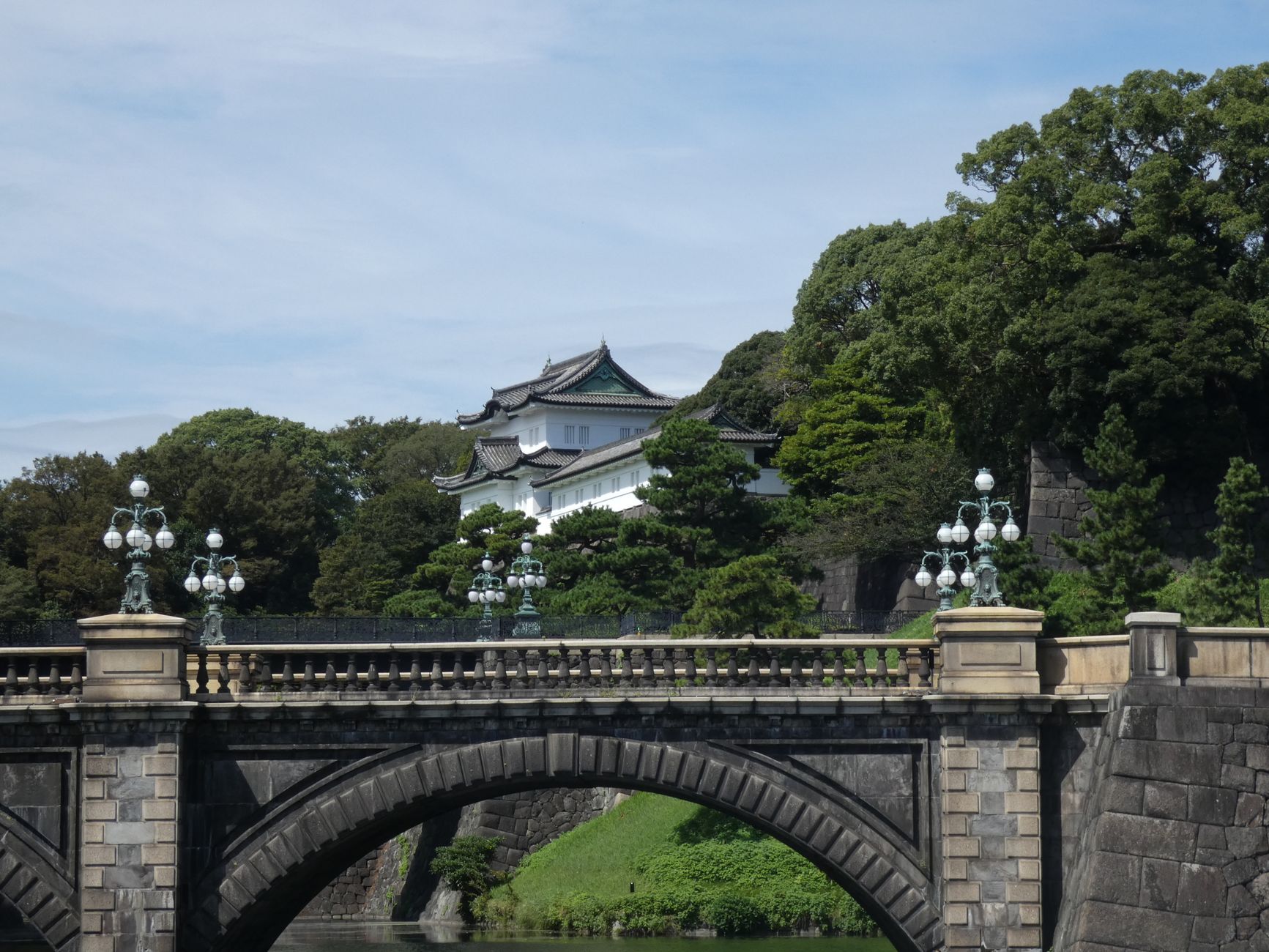
Photo by Sha-dé van der Haar on Pexels
The Japanese Emperor's Divine Claim
On August 15, 1945, Emperor Hirohito of Japan stood on the balcony of the Imperial Palace in Tokyo, preparing to address his people. This event marked a significant shift in the emperor's role, as he would soon renounce his divine status. Hirohito's claim to be a living god, or "Arahitogami," had been a cornerstone of Japanese ideology for centuries. By 1946, this notion would be officially abolished.
What Everyone Knows
Most people think that the Japanese emperor's divine status was an ancient tradition that remained unchanged until the end of World War II. The standard story goes that the emperor's role as a living god was deeply ingrained in Japanese culture and that this notion was only challenged by the Allied powers after Japan's defeat. However, this understanding oversimplifies the complex history surrounding the emperor's divine claim.
What History Actually Shows
Historian Herbert Bix, in his book "Hirohito and the Making of Modern Japan," argues that the concept of the emperor as a living god was not a static tradition, but rather a notion that evolved over time. By 1867, the Meiji Restoration had already begun to challenge the traditional role of the emperor, and by 1889, the Meiji Constitution had established the emperor as a symbol of state power. Japanese historian Masahiro Yamamoto notes that the idea of the emperor's divinity was actively promoted during the 1930s and 1940s as a means of mobilizing support for the war effort. The emperor's divine status was officially codified in the 1937 publication "Kokutai no Hongi," which outlined the ideological foundations of the Japanese state. Historian John W. Dower, in his book "Embracing Defeat: Japan in the Wake of World War II," explains that the Allied powers, particularly the United States, played a significant role in shaping Japan's post-war constitution and encouraging the emperor to renounce his divine status. On January 1, 1946, Hirohito issued the "Human Declaration," in which he formally abandoned his claim to be a living god, marking a significant turning point in Japanese history.
The Part That Got Buried
Historians like Herbert Bix and John Dower have actively worked to uncover the truth about the Japanese emperor's divine status, but their efforts were hindered by the Japanese government's deliberate suppression of historical records. The government's decision to restrict access to the Imperial Household Agency's archives made it difficult for researchers to gather concrete evidence. Specifically, the agency's refusal to release documents related to the emperor's role in World War II forced historians to rely on secondary sources and anecdotal evidence. The US occupation authorities, led by General Douglas MacArthur, also played a role in burying this story by promoting a more palatable narrative of Japan's post-war transformation, which focused on the country's economic growth and democratic reforms rather than its complex and often contentious history.
The Ripple Effect
The Japanese emperor's renunciation of his divine status in 1946 had a direct impact on the country's education system, as the government was forced to revise its curriculum to remove references to the emperor's divinity. This change affected millions of students who were no longer taught to revere the emperor as a living god. The modern Japanese constitution, which was drafted in 1947, also reflects the consequences of this event, as it establishes the emperor as a symbol of the state rather than a divine ruler. For example, the constitution's provision for freedom of religion can be seen as a direct result of the emperor's renunciation of his divine status.
The Line That Says It All
The Japanese emperor's official declaration of humanity, issued on January 1, 1946, marked the end of a centuries-old tradition of imperial divinity.
A Note on Sources
This article draws on historical records, documented accounts, and academic research related to the Japanese monarchy and World War II.


