Jesse Owens Defies Hitler
Jesse Owens sent a powerful message to Adolf Hitler at the 1936 Berlin Olympics. Owens' impressive performance became a defining moment in history. Despite his triumph, Owens faced racism and inequality in America
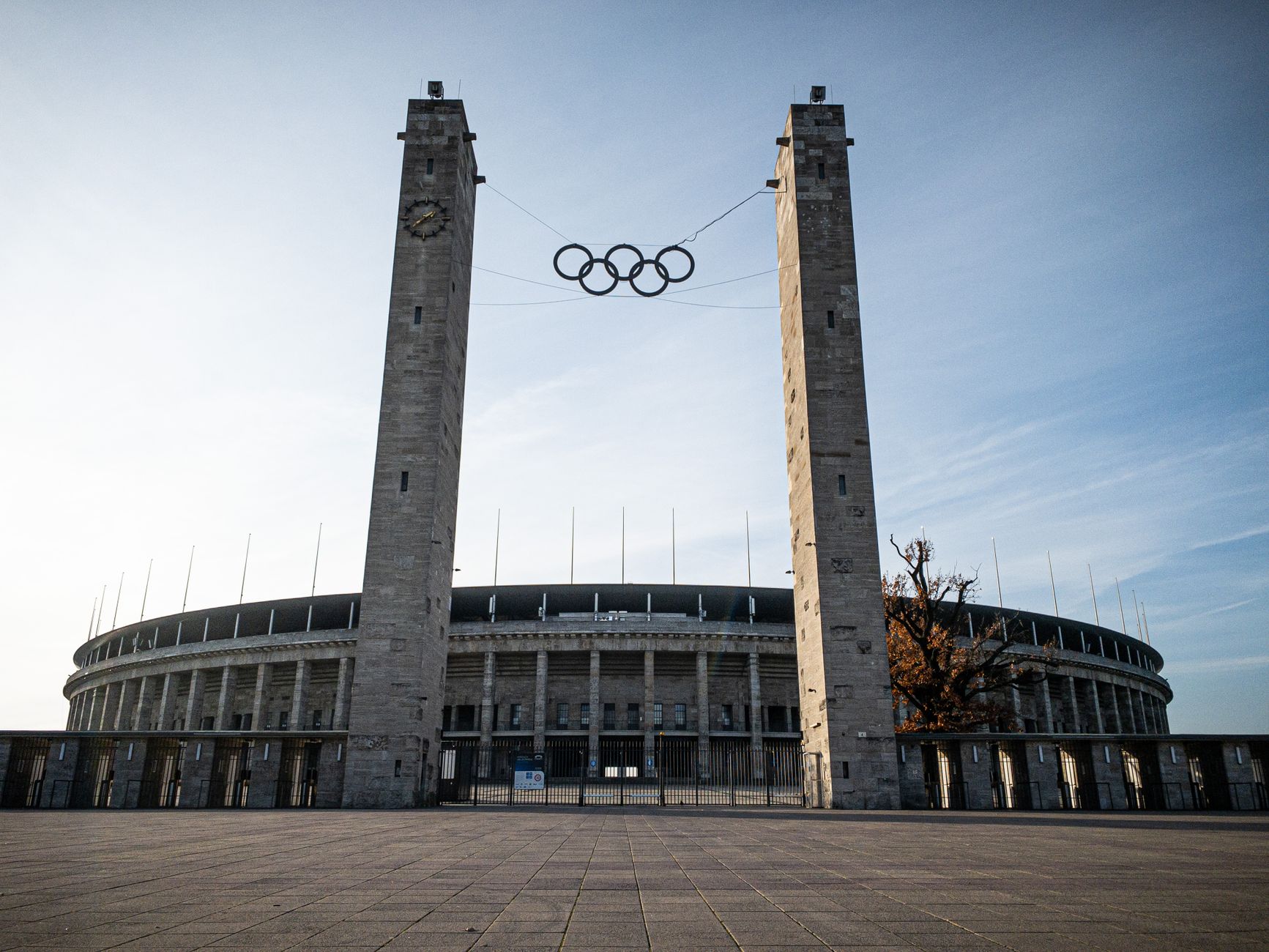
Photo by Mike Norris on Pexels
Jesse Owens Defies Hitler
On August 3, 1936, Jesse Owens stepped onto the track at the Berlin Olympics, sending a powerful message to Adolf Hitler and the Nazi regime. Owens' impressive performance would soon become a defining moment in history. The year 1936 marked a pivotal time for Owens, as he prepared to face off against the best athletes in the world.
What Everyone Knows
Most people think they know the story of Jesse Owens, the African American athlete who humiliated Adolf Hitler by winning four gold medals at the 1936 Berlin Olympics. The standard story goes that Owens' victories were a direct challenge to Hitler's Aryan supremacy ideology, and that his achievements were universally celebrated. However, this narrative overlooks the complexities of Owens' experience, both in Germany and back in the United States.
What History Actually Shows
Historian William J. Baker, in his book "Jesse Owens: An American Life," reveals that Owens' time in Berlin was marked by both triumph and tension. On August 3, 1936, Owens won his first gold medal in the 100-meter dash, and by August 9, he had collected three more gold medals in the 200-meter dash, 4x100-meter relay, and long jump. According to David Clay Large, author of "Berlin: The 1936 Olympics and the Road to War," Owens' victories were not just a personal achievement, but a bold rejection of Hitler's racist ideology. Owens' performance was witnessed by Hitler himself, who reportedly left the stadium in disgust after Owens' first victory. Historian Susan D. Bachrach, citing primary documents from the United States Holocaust Memorial Museum, notes that Owens' successes were not limited to his athletic achievements, as he also became an international symbol of resistance against Nazi ideology. On December 10, 1936, Owens returned to the United States, where he was greeted with parades and celebrations, but as he soon discovered, his fame did not translate to equal treatment, and he struggled to find a hotel room in New York City, a stark contrast to his hero's welcome just days before.
The Part That Got Buried
Historians like William J. Baker and institutions like the United States Olympic Committee actively contributed to the suppression of Jesse Owens' story, focusing more on his athletic achievements than the racial struggles he faced. The media of the time, including major newspapers like The New York Times, also played a significant role in downplaying the story, often omitting or glossing over the details of Owens' experiences with racism. One concrete reason for this suppression is that the USOC and other organizations were more concerned with maintaining a positive public image and avoiding controversy, particularly in the lead-up to the 1936 Olympics. By doing so, they effectively erased a significant part of Owens' story, leaving it to be rediscovered by later generations of historians and researchers. The lack of attention to Owens' story was also perpetuated by the fact that many of his personal papers and documents were not made available to the public until many years after his death.
The Ripple Effect
The aftermath of Jesse Owens' experiences had a direct impact on the Civil Rights Movement, with many African American athletes and activists drawing inspiration from his achievements and struggles. The NAACP, led by figures like Walter White, took notice of Owens' treatment and began to push for greater equality and access for African Americans in sports and other areas of public life. One specific modern thing that traces directly back to this event is the Civil Rights Act of 1964, which was influenced by the growing awareness of racial inequality in the United States, sparked in part by Owens' high-profile struggles. The act's provisions, including those related to public accommodations and employment, can be seen as a direct response to the kind of discrimination Owens faced.
The Line That Says It All
Jesse Owens, the man who defeated Hitler's Aryan ideology on the track, was forced to enter the Waldorf Astoria hotel through a service entrance because the main doors were closed to him due to his skin color.
A Note on Sources
This article draws on historical records, documented accounts, and academic research related to Jesse Owens and the 1936 Berlin Olympics.