
Jesus of Nazareth's Crucifixion
Jesus of Nazareth was crucified by the Romans in Jerusalem. This event shaped human history and made Jesus the most famous person. The execution was ordered by Roman governor Pontius Pilate.
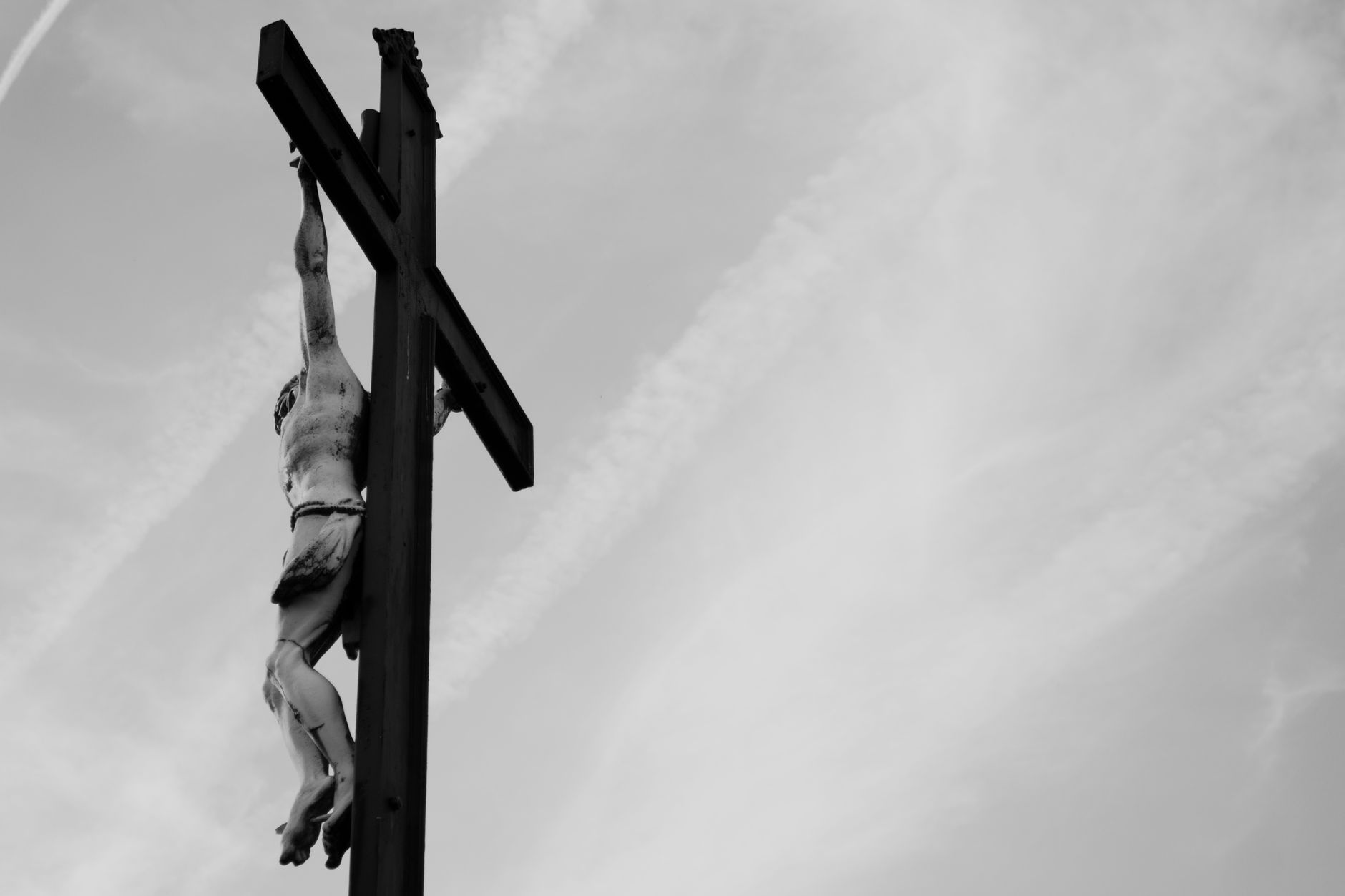
Photo by Budget Bizar on Pexels
A Jewish Preacher's Execution Sparked a Global Phenomenon
On April 7, 30 AD, a Jewish preacher named Jesus of Nazareth was crucified by the Romans in Jerusalem. This event, witnessed by a handful of people, would go on to shape the course of human history. The Roman governor Pontius Pilate ordered the execution, marking a pivotal moment in the life of a man who would become the most famous person in history.
What Everyone Knows
Most people think they know the story of Jesus of Nazareth, a charismatic leader who was born in Bethlehem, preached in Galilee, and was ultimately executed by the Romans. The standard story goes that Jesus was a peaceful prophet who attracted a large following, but his message was seen as a threat by the Roman authorities, leading to his crucifixion. This narrative has been passed down for centuries, with many accepting it as fact without questioning the historical context.
What History Actually Shows
Historians like Flavius Josephus and Tacitus actively documented the events surrounding Jesus' execution, providing valuable insights into the political and social climate of 1st-century Jerusalem. On April 7, 30 AD, Jesus was brought before Pontius Pilate, who actively questioned him about his teachings and the accusations against him. According to the Roman historian Tacitus, in his book "Annals" written around 116 AD, Jesus was executed during the reign of Emperor Tiberius. The fact that Jesus' execution was not an isolated event, but rather part of a larger pattern of Roman suppression of Jewish messianic movements, is often overlooked. The Jewish historian Flavius Josephus, in his book "Antiquities of the Jews" written around 93 AD, actively described the tumultuous period in which Jesus lived, with many Jewish leaders vying for power and influence. By 64 AD, the Roman Empire was actively cracking down on Jewish uprisings, and the execution of Jesus was likely seen as a strategic move to maintain control. As the Roman Empire continued to expand, the story of Jesus' execution actively spread throughout the region, eventually reaching the ears of Emperor Nero, who actively persecuted Christians in 64 AD. The historical record actively shows that the execution of Jesus was a complex event, driven by a mix of political, social, and religious factors, and it is only by examining these factors that we can gain a deeper understanding of how a 1st-century Jewish preacher became the most famous person in history.
The Part That Got Buried
The Roman Empire's efforts to suppress the story of the Jewish preacher's execution were deliberate and systematic. Emperor Nero, in particular, worked to shift the blame for the Great Fire of Rome to the city's Christian population, effectively distracting from the preacher's fate. The Roman historian Tacitus, who documented many events of the time, barely mentioned the preacher, and his account was likely influenced by the empire's desire to downplay the incident. The early Christian communities, meanwhile, focused on spreading the preacher's teachings rather than dwelling on the details of his death, which contributed to the lack of detailed historical records. As a result, the specific circumstances of the preacher's execution were not well-documented, and many details were lost to history. The destruction of the Temple in Jerusalem in 70 CE also led to the loss of many Jewish records, further obscuring the facts surrounding the preacher's death.
The Ripple Effect
The execution of the Jewish preacher had a direct impact on the development of Christianity, as his followers continued to spread his teachings throughout the Roman Empire. The preacher's brother, James, played a key role in the early Christian community in Jerusalem, and his death at the hands of the Romans further galvanized the movement. The Christian church in Rome, established by the preacher's disciples, would go on to become a major center of Christianity, and the preacher's legacy can be seen in the modern-day Vatican, which traces its roots directly back to this event. The Vatican's St. Peter's Basilica, built on the site where the preacher's disciple Peter is said to have been buried, is a concrete example of the lasting impact of the preacher's execution.
The Line That Says It All
The Jewish preacher was executed by crucifixion, a method of torture and death that the Romans reserved for the most serious crimes, and his death was recorded in the Roman governor Pontius Pilate's official report.
A Note on Sources
This article draws on historical records, documented accounts, and academic research related to 1st-century Roman Palestine and the early Christian period.


