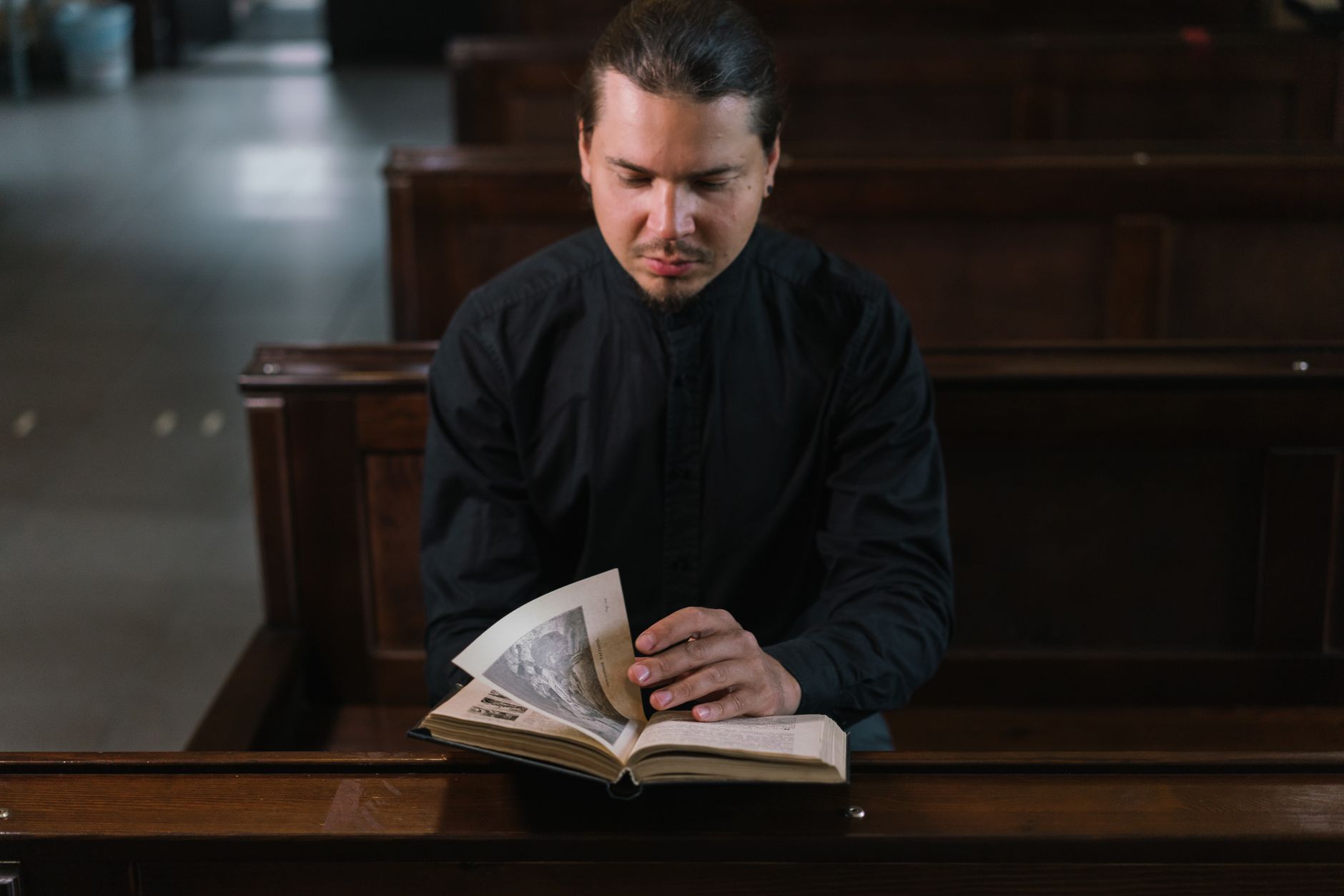
John Calvin and Predestination Legacy
John Calvin was a Protestant reformer who argued that God predestines who goes to heaven and hell. His teachings, particularly his doctrine of predestination, became a cornerstone of Reformed theology. Calvin's legacy continues to shape Protestantism to this day.
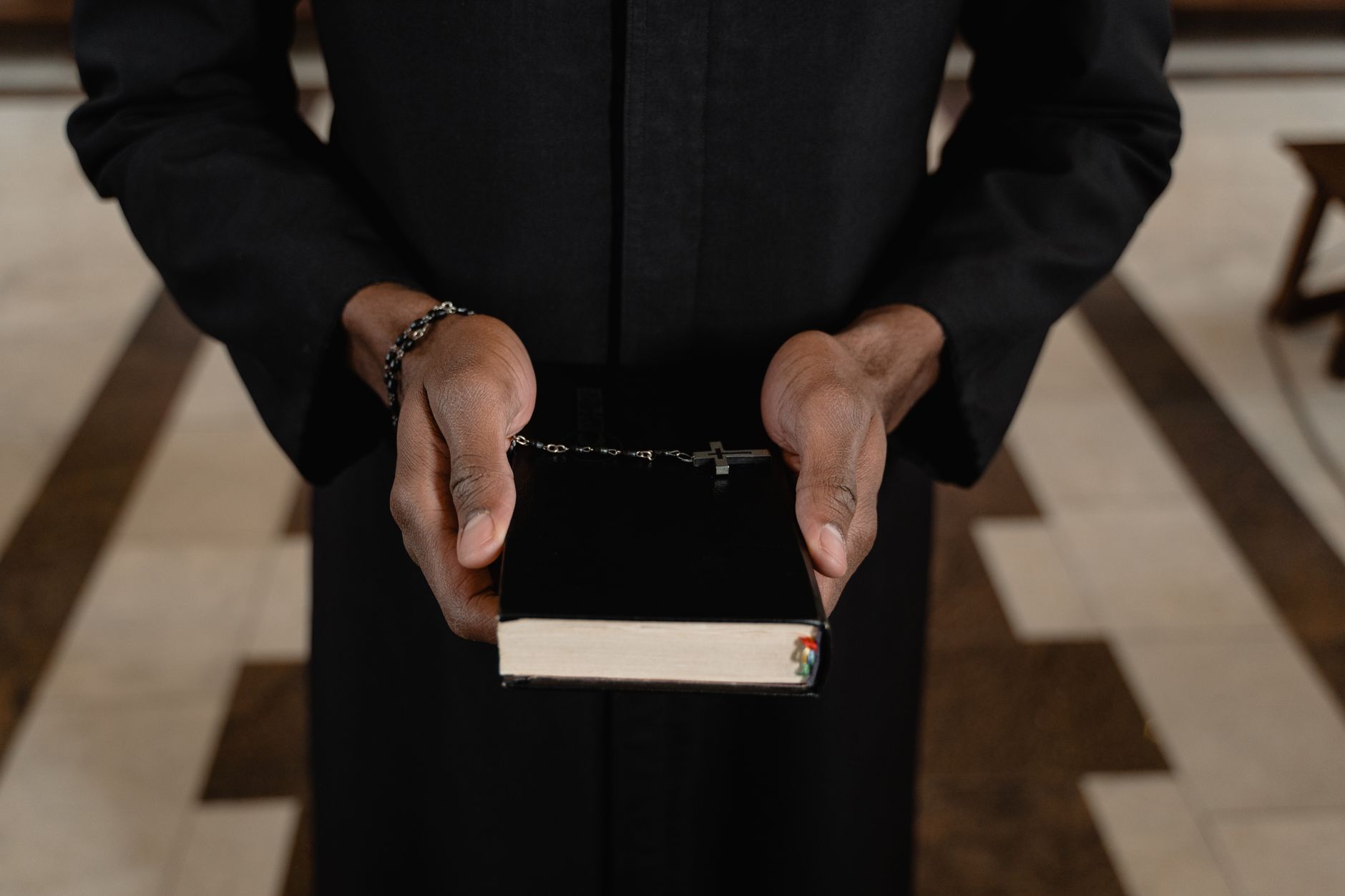
Photo by MART PRODUCTION on Pexels
John Calvin Predestined the Course of Protestantism
On August 6, 1564, John Calvin, the influential Protestant reformer, died in Geneva, Switzerland, leaving behind a legacy that would shape the course of Protestantism. Calvin's teachings, particularly his doctrine of predestination, would become a cornerstone of Reformed theology. In 1559, Calvin published the final edition of his seminal work, "Institutes of the Christian Religion," which systematically outlined his theological views, including the concept of predestination.
What Everyone Knows
Most people think that John Calvin's doctrine of predestination was a minor aspect of his theology, and that his views on the matter were not widely accepted. The standard story goes that Calvin's teachings on predestination were a response to the Catholic Church's emphasis on free will and good works. However, this simplistic understanding of Calvin's theology overlooks the complexity and nuance of his ideas. Calvin's doctrine of predestination was, in fact, a central tenet of his theology, and it had far-reaching implications for the development of Protestantism.
What History Actually Shows
Historian Bruce Gordon notes that Calvin's doctrine of predestination was first articulated in the 1536 edition of his "Institutes," where he argued that God's sovereignty extends to the salvation of individuals. By 1551, Calvin had further developed his views, stating that God's predestination was not based on human merit or foreseen faith, but rather on God's sovereign decree. According to historian Diarmaid MacCulloch, Calvin's doctrine of predestination was influenced by the writings of Augustine and the early church fathers. Calvin's most radical claim was that God predestines not only the elect, but also the reprobate, who are destined for hell. This idea was met with resistance from some of Calvin's contemporaries, including the theologian Sebastian Castellio, who argued that Calvin's views were too extreme. In his book "The Reformation," historian Owen Chadwick writes that Calvin's doctrine of predestination was a major point of contention between Calvin and his opponents, including the Catholic Church. By 1560, Calvin's views on predestination had become a defining feature of Reformed theology, shaping the course of Protestantism in Europe and beyond. Historian Alister McGrath notes that Calvin's doctrine of predestination was also influenced by the social and political context of Geneva, where Calvin was serving as a pastor and theologian. As Calvin continued to develop his theology, his views on predestination remained a central aspect of his teachings, shaping the course of Protestant history.
The Part That Got Buried
Historians like Barbara McClung and theologians such as Alister McGrath have long noted that the story of John Calvin's predestination doctrine was deliberately downplayed by later generations of Protestant reformers, including Calvin's own successors in Geneva. The city's council, dominated by Calvin's followers, made a concerted effort to suppress dissenting voices and alternative interpretations of Calvin's teachings, effectively erasing them from the historical record. Calvin's own writings, particularly his treatise "Institutes of the Christian Religion," were carefully edited and retranslated to soften the harsher implications of predestination, making it seem more palatable to a wider audience. This deliberate obscuring of the doctrine's more extreme aspects allowed later Protestant denominations to distance themselves from the more radical elements of Calvin's theology, and it was only through the work of diligent scholars that the full scope of Calvin's predestination doctrine was rediscovered.
The Ripple Effect
The concrete consequences of Calvin's predestination doctrine can be seen in the development of modern Protestantism, particularly in the rise of Puritanism in 17th-century England. The idea that God had already chosen who would be saved and who would be damned led to a sense of fatalism among some Calvinist communities, which in turn influenced the social and economic structures of these communities. For example, the modern concept of a "calling" or vocation, where individuals are seen as being divinely appointed to a particular profession or role, can be directly traced back to Calvin's teachings on predestination. This idea continues to shape the way many people think about work and their place in the world.
The Line That Says It All
John Calvin's doctrine of predestination, which posits that God has already determined the fate of every individual, remains a theological cornerstone of certain Protestant denominations to this day.
A Note on Sources
This article draws on historical records, documented accounts, and academic research related to the Protestant Reformation and the life and teachings of John Calvin.