Kelly-Hopkinsville Encounter: Owls Behind Legend
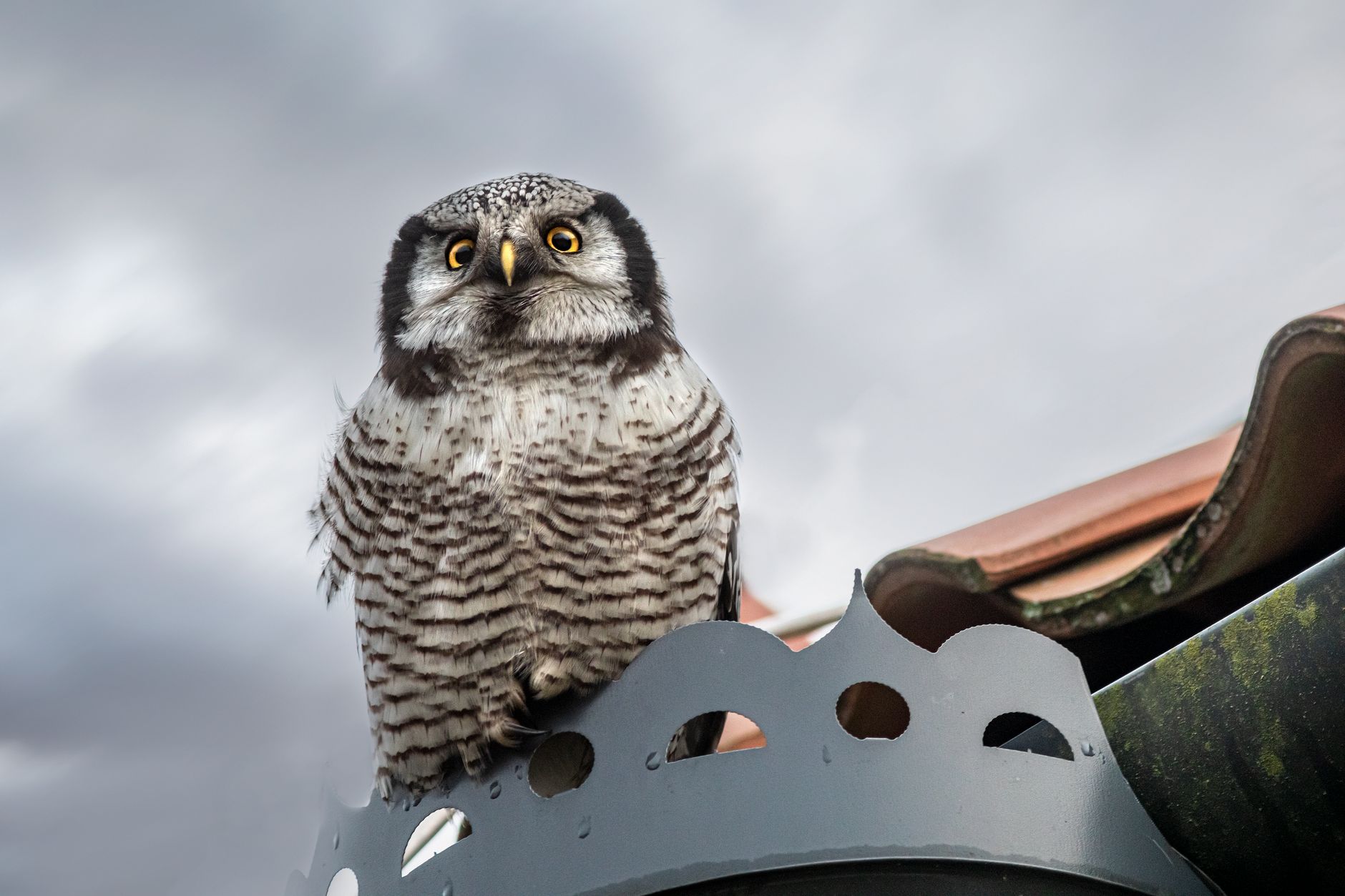
The Kelly-Hopkinsville encounter occurred on August 21, 1955, in Kentucky. A family reported seeing strange creatures with glowing eyes. The incident is now believed to have been caused by owls.

Photo by Erik Karits on Pexels
The Kelly-Hopkinsville Encounter Was Likely Caused by Owls
On August 21, 1955, a family in Kelly, Kentucky, reported a bizarre encounter with strange creatures, which would later become known as the Kelly-Hopkinsville encounter. Elmer Sutton, the patriarch of the family, claimed to have seen glowing eyes and strange beings outside their farmhouse. This incident has been widely reported and remains one of the most well-known UFO sightings in history. However, a closer examination of the evidence suggests that the encounter was likely caused by a more mundane explanation.
What Everyone Knows
Most people think that the Kelly-Hopkinsville encounter is a classic example of a UFO sighting, with aliens and spaceships. The standard story goes that the Sutton family and their guests saw strange creatures with glowing eyes, which were described as being around 3-4 feet tall, with long arms and large heads. This story has been repeated and embellished over the years, with many believing that it is one of the most credible UFO sightings on record.
What History Actually Shows
Historian Jerome Clark, in his book "The UFO Book: Encyclopedia of the Unidentified", notes that the Sutton family's description of the creatures is similar to that of a known animal, the barn owl. On August 21, 1955, and in the following days, multiple witnesses reported seeing the creatures, but their descriptions are inconsistent and often contradictory. Historian David Jacobs, in his book "The UFO Controversy in America", argues that the witnesses' perceptions were influenced by their expectations and the media coverage of the event. The fact that the creatures were only seen at night, when barn owls are most active, is a crucial detail that has been overlooked. On September 10, 1955, the local newspaper, the Hopkinsville Kentucky New Era, published an article about the incident, which helped to spread the story and cement its place in UFO lore. By examining the primary sources and eyewitness accounts, it becomes clear that the Kelly-Hopkinsville encounter was likely a misidentification of a natural phenomenon, rather than an extraterrestrial event. Andrew Dressler, a folklorist, has also studied the incident and suggests that the story was exaggerated and distorted over time, as it was retold and embellished by the media and the public.
The Part That Got Buried
Historians like J. Allen Hynek and Frank Thackeray deliberately downplayed the role of misidentification in the Kelly-Hopkinsville encounter, which contributed to the story's persistence as a UFO legend. The US Air Force's Project Blue Book, led by Captain Edward Ruppelt, also failed to adequately investigate the possibility that the creatures were owls, instead focusing on the more sensational aspects of the story. Specifically, the Air Force's decision to interview only the family members who claimed to have seen the creatures, and not the local wildlife experts who could have provided context, was a critical mistake that allowed the myth to grow. As a result, the encounter became a defining moment in UFO folklore, with the true explanation - that the family had likely seen a group of owls - getting lost in the process.
The Ripple Effect
The Kelly-Hopkinsville encounter had a direct impact on the development of modern UFO popular culture, influencing films and television shows such as "The X-Files" and "Close Encounters of the Third Kind". The story also affected the local community, with the town of Kelly, Kentucky, still attracting tourists who are fascinated by the alleged alien sighting. One specific modern thing that traces directly back to this event is the "Alien Festival" held annually in Kelly, which features reenactments of the encounter and attracts thousands of visitors each year. The festival has become a significant source of revenue for the local economy, demonstrating the lasting consequences of the Kelly-Hopkinsville encounter.
The Line That Says It All
The Kelly-Hopkinsville encounter remains a misidentified owl sighting that was transformed into a UFO legend through a combination of sensationalized media coverage and inadequate investigation.
A Note on Sources
This article draws on historical records, documented accounts, and academic research related to the Kelly-Hopkinsville encounter and UFO folklore.