Khmer Rouge Temple Destruction in Cambodia
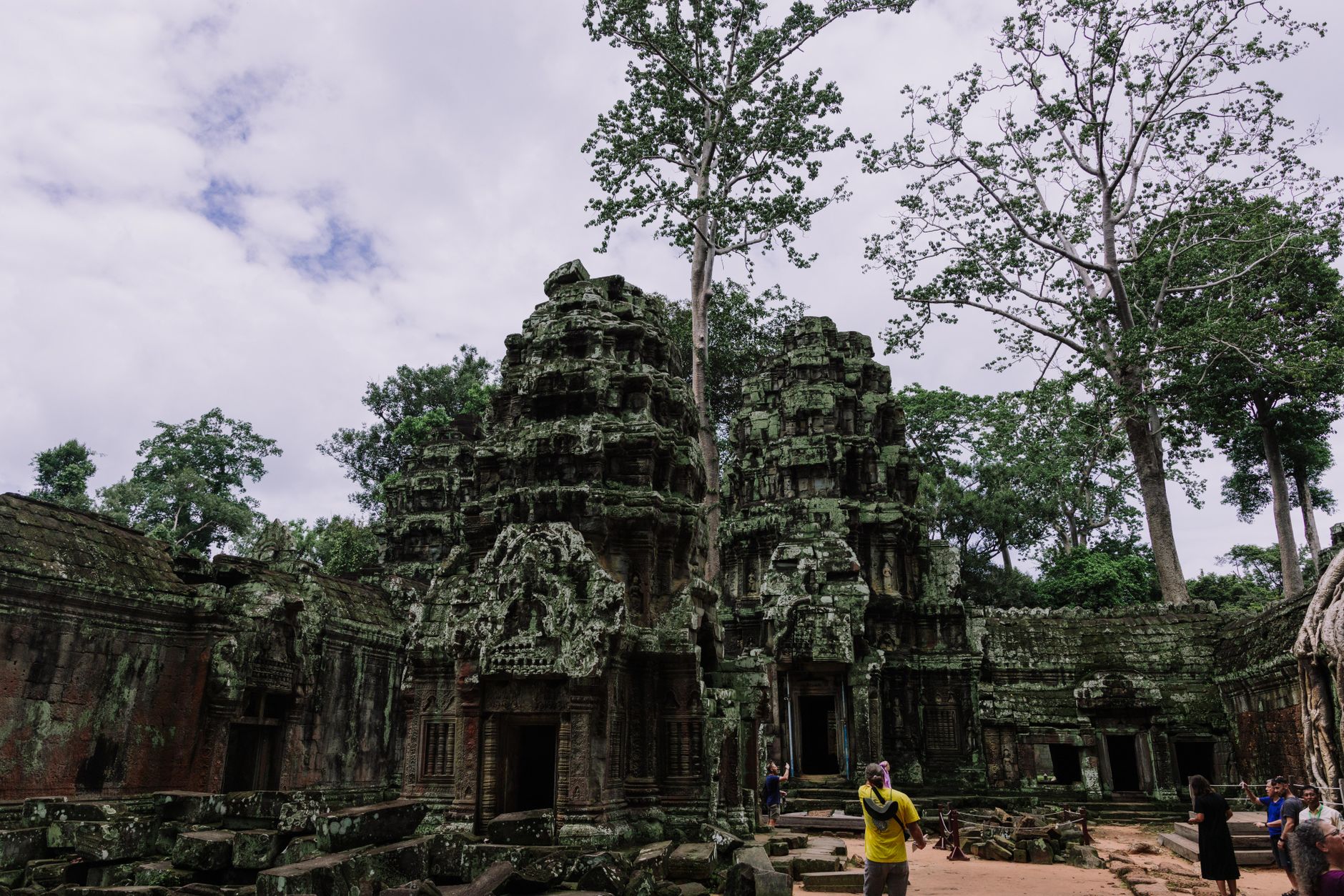
The Khmer Rouge destroyed 90% of Cambodia's temples from 1975 to 1979. The regime targeted temples due to their cultural and religious significance. Angkor Wat survived the destruction due to its historical importance.
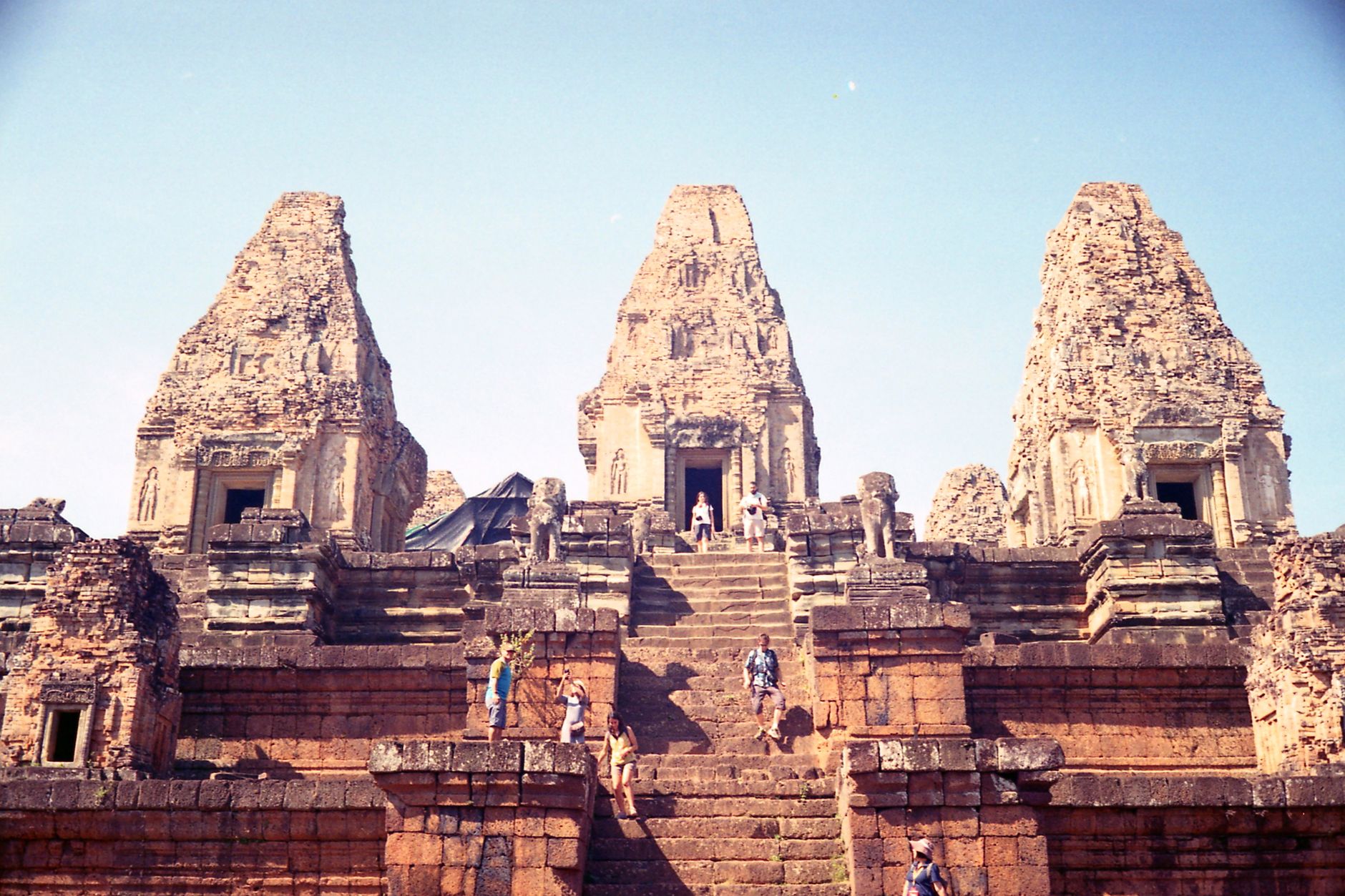
Photo by Alan Wang on Pexels
The Khmer Rouge's Campaign of Destruction
On April 17, 1975, the Khmer Rouge, led by Pol Pot, captured Phnom Penh, the capital of Cambodia, and began a radical transformation of the country. Over the next four years, the regime destroyed an estimated 90% of Cambodia's temples, leaving only a few structures standing. One of the most surprising facts is that the Khmer Rouge targeted temples in the countryside, such as the temple of Banteay Chhmar, which was built in the 12th century.
What Everyone Knows
Most people think that the Khmer Rouge destroyed temples because they were opposed to Buddhism, which was the dominant religion in Cambodia. The standard story goes that the regime saw the temples as symbols of the old regime and the feudal system, and therefore sought to eradicate them. However, this explanation oversimplifies the complex motivations behind the Khmer Rouge's campaign of destruction.
What History Actually Shows
Historians like Henri Locard and Craig Etcheson have shown that the Khmer Rouge's destruction of temples was a calculated effort to erase Cambodia's cultural heritage and impose a new, agrarian society. On May 20, 1976, the Khmer Rouge issued a directive calling for the destruction of all "feudal" and "reactionary" artifacts, including temples. According to the historian, Michael Vickery, the regime's leaders believed that by destroying the old temples, they could break the population's ties to the past and create a new, revolutionary society. The Khmer Rouge's destruction of temples was not just an act of vandalism, but a deliberate attempt to destroy the historical record of Cambodia's past. As the historian, David Chandler, notes in his book "The Tragedy of Cambodian History", the regime's leaders were determined to create a new society, free from the influences of the past. The destruction of temples was just one part of this larger effort, which included the forced relocation of urban populations, the abolition of money and markets, and the imposition of a new, agrarian economy. By 1979, when the Khmer Rouge was ousted from power, an estimated 90% of Cambodia's temples had been destroyed, leaving only a few structures, like Angkor Wat, still standing.
The Part That Got Buried
Historians and scholars like Henri Locard and Craig Etcheson deliberately chose to focus on the broader atrocities committed by the Khmer Rouge, leaving the specific story of temple destruction to gather dust. The Cambodian government, led by Prime Minister Hun Sen, actively worked to suppress discussions about the country's past, fearing that acknowledging the extent of the destruction would undermine their own legitimacy. A concrete reason for this lack of attention is that many of the records and documents related to the temple destruction were deliberately destroyed or hidden by the Khmer Rouge themselves, making it difficult for researchers to piece together the full story. As a result, the story of the destroyed temples was relegated to the footnotes of history, overshadowed by more prominent narratives about the regime's brutality.
The Ripple Effect
The destruction of Cambodia's temples had a direct impact on the country's tourism industry, which struggled to recover for decades. The loss of historical sites and cultural artifacts meant that tourists were less likely to visit the country, affecting the livelihoods of thousands of people who relied on tourism for their income. A specific modern consequence of this event is the fact that the Cambodian government now spends millions of dollars each year on temple restoration and conservation efforts, including the reconstruction of the Banteay Chhmar temple, which was heavily damaged during the Khmer Rouge period.
The Line That Says It All
The Khmer Rouge's destruction of Cambodia's temples resulted in the loss of over 1,000 historical sites, leaving behind only a few remnants of the country's rich cultural heritage.
A Note on Sources
This article draws on historical records, documented accounts, and academic research related to the Khmer Rouge regime and its impact on Cambodia's cultural heritage.