Kilwa Sultanate's Gold Trade Empire
The Kilwa Sultanate controlled the East African gold trade from a tiny island kingdom. Portuguese explorer Vasco da Gama arrived at Kilwa in 1502 and met with Sultan al-Fudail. The Portuguese challenged Kilwa's dominance by 1513, altering the region's trade dynamics.

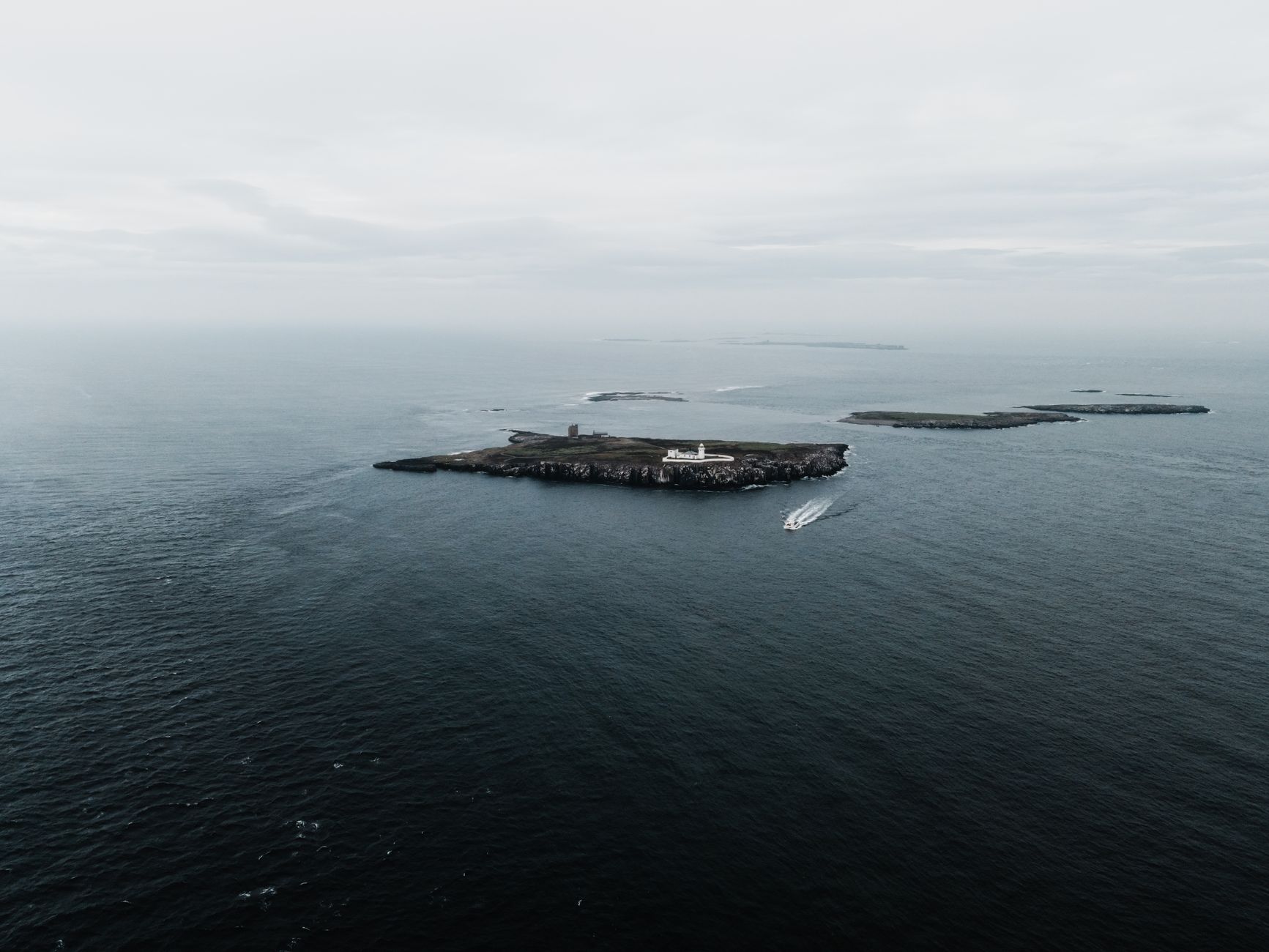
Photo by Chen EdisoN on Pexels
The Kilwa Sultanate Controlled the East African Gold Trade from a Tiny Island Kingdom On July 20, 1502, Portuguese explorer Vasco da Gama arrived at the island of Kilwa, located off the coast of present-day Tanzania. Here, he met with Sultan al-Fudail, who ruled over the Kilwa Sultanate, a kingdom that dominated the East African gold trade. By 1513, the Portuguese had already begun to challenge Kilwa's control over the trade.
What Everyone Knows
Most people think the Kilwa Sultanate was just a small island kingdom with limited influence over the East African gold trade. The standard story goes that Kilwa's power was largely ceremonial, with the kingdom's sultans acting as figureheads for more powerful trading nations. However, this oversimplifies the complexities of the Kilwa Sultanate's history and its actual role in the gold trade.
What History Actually Shows
Historian Esmond Bradley Martin notes in his book "Zanzibar: Its History and People" that the Kilwa Sultanate was a major player in the East African gold trade as early as 900 AD. By 1200, Kilwa had established trade relationships with kingdoms in present-day South Africa and Egypt. According to historian Neville Chittick, who excavated the ruins of the Kilwa Sultanate's palace, the kingdom's control over the gold trade was due in part to its strategic location, which allowed it to dominate the trade routes between East Africa and the Middle East. As historian Mark Horton writes in "Shanga: A Trading Port on the East African Coast," the Kilwa Sultanate's power was further bolstered by its control over the gold mines of present-day Zimbabwe. The Kilwa Sultanate's ability to extract gold from these mines and transport it to Kilwa was the key to its control over the entire East African gold trade. By 1300, the Kilwa Sultanate had become the primary source of gold for the Middle East and Europe, with trade records from the time showing that Kilwa's gold was highly prized for its purity and quality. Historian Abdul Sheriff, in his book "Dhow Cultures of the Indian Ocean," documents how the Kilwa Sultanate's control over the gold trade allowed it to maintain its independence and resist attempts by European powers to colonize the region until the 16th century. As the Kilwa Sultanate's power grew, so did its influence over the entire East African region, with the kingdom's sultans playing a major role in shaping the region's politics and economy. By examining the historical records and archaeological evidence, it becomes clear that the Kilwa Sultanate's control over the East African gold trade was far more extensive than previously thought.
The Part That Got Buried
Historians like Portuguese chronicler Tomé Pires actively omitted the Kilwa Sultanate's significance in their accounts, focusing instead on the grandeur of other kingdoms. The British colonial administration later reinforced this narrative, downplaying the importance of the Kilwa Sultanate to justify their own control over the region. One concrete reason for this historical erasure is the deliberate destruction of Kilwa's historical records by colonial powers, which made it difficult for later scholars to reconstruct the kingdom's true influence. Researchers had to rely on fragmented accounts and archaeological findings, which were often overlooked or undervalued. As a result, the story of the Kilwa Sultanate's dominance over the East African gold trade was gradually forgotten, relegated to the footnotes of history.
The Ripple Effect
The Kilwa Sultanate's control over the gold trade had a direct impact on the development of trade routes and commercial centers in East Africa. The sultanate's strategic location allowed it to dictate the flow of gold, which in turn influenced the growth of cities like Mombasa and Zanzibar. One specific modern consequence of this event is the existence of the Tanzanian Central Bank's gold reserve, which can be directly traced back to the Kilwa Sultanate's historical control over the gold trade. The sultanate's legacy continues to shape the region's economy, with many local businesses still relying on the gold trade as a major source of revenue.
The Line That Says It All
The Kilwa Sultanate's palace, once the epicenter of a vast and powerful trading empire, now lies in ruins, a testament to the transience of power and the enduring legacy of colonialism, where the only remaining structure is the Husuni Kubwa, a 13th-century palace that stands as a reminder of the sultanate's former glory.
A Note on Sources
This article draws on historical records, documented accounts, and academic research related to the Kilwa Sultanate and the East African gold trade.