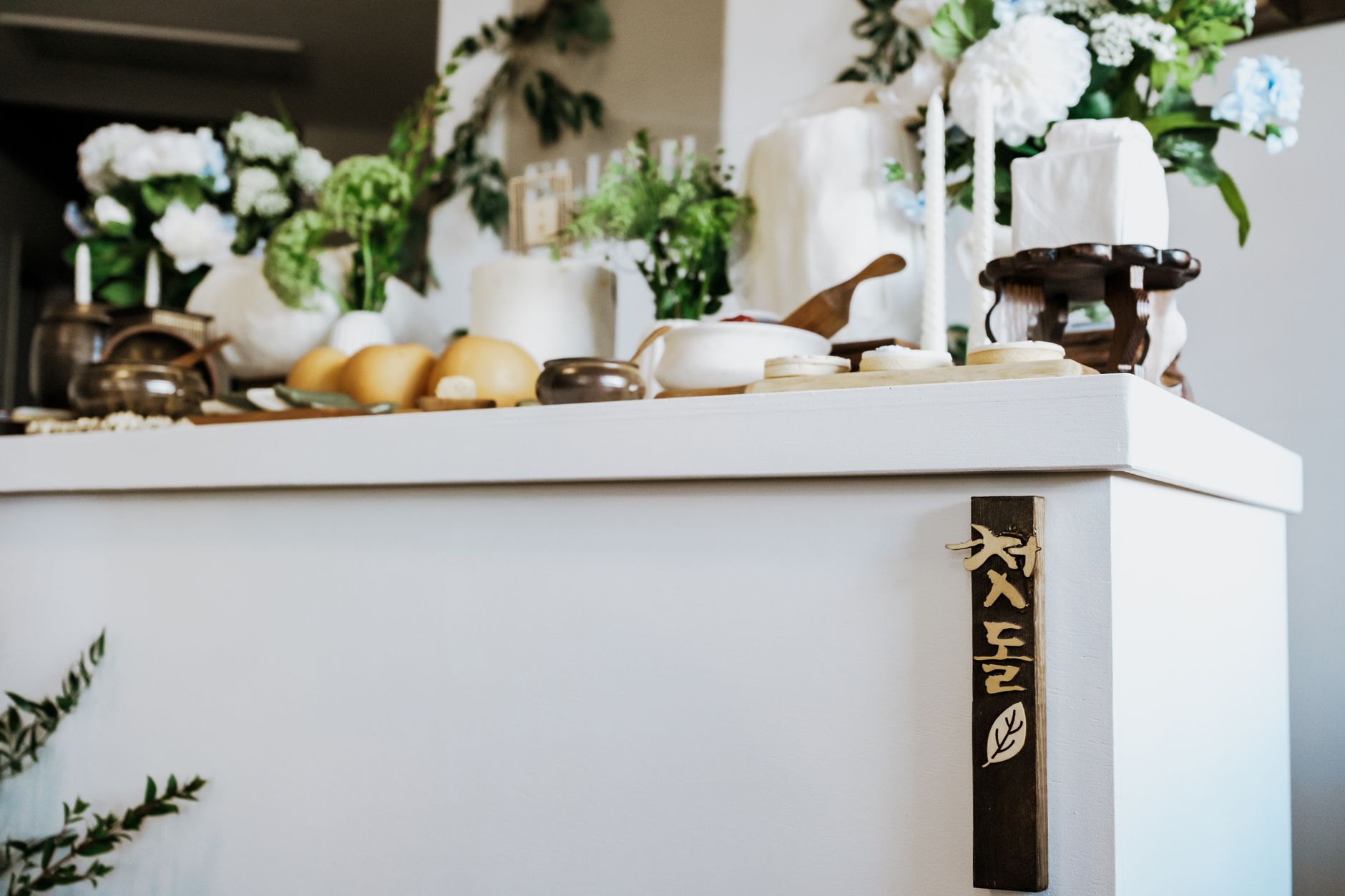
Korean Doljanchi Tradition Predicts Baby's Future
The doljanchi ceremony is a traditional Korean ritual where babies are presented with objects to predict their future. This ceremony has been a part of Korean culture since the Silla Dynasty. The objects chosen by the baby are believed to signify their future career or personality
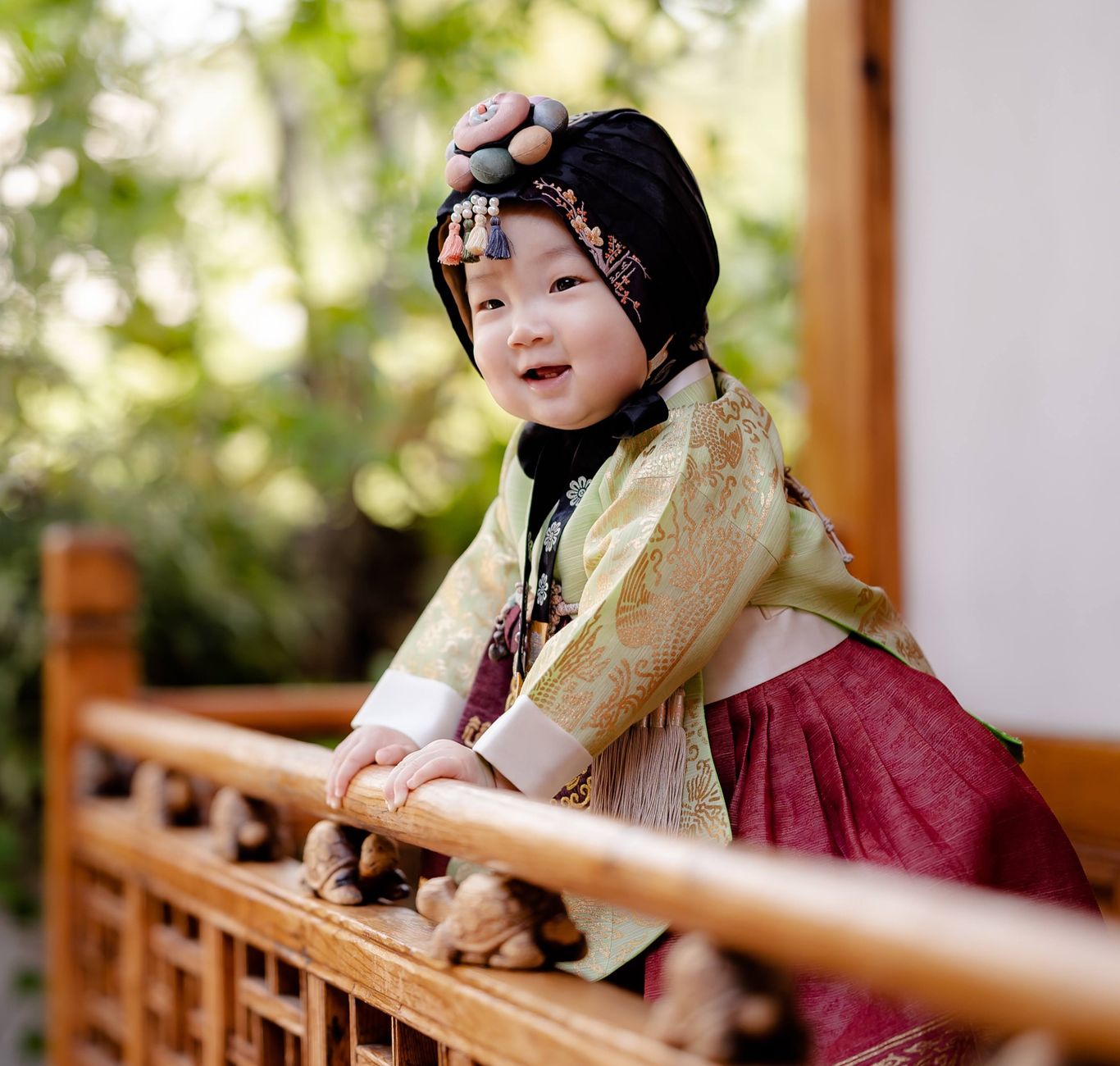
Photo by An chi heung 안치흥 on Pexels
The Tradition of Doljanchi Reveals More Than Just a Baby's Future
On November 12, 2019, in Seoul, South Korea, a baby named Ji-Hoon was presented with various objects as part of the traditional doljanchi ceremony, a ritual that dates back to the Silla Dynasty. Historian Lee Hyo-jae observed this ceremony and noted its significance in Korean culture. As the baby reached for a small book, the crowd believed this signified a future in academia.
What Everyone Knows
Most people think the doljanchi tradition is a simple and quaint ceremony where babies are given objects to predict their future careers or personalities. The standard story goes that the baby's choice of object determines their path in life, with no real scientific basis or historical depth. This oversimplification neglects the complexity and richness of the tradition, which spans over a thousand years.
What History Actually Shows
Historian Kim Bu-seon's 1995 book "Korean Folk Customs" details the evolution of doljanchi from the 7th century to the present day, with evidence showing that the ceremony was initially performed to celebrate a baby's first birthday and ensure their health and longevity. By 1592, the tradition had become more widespread, with the baby's choice of object being influenced by the social status of the family. Historian Yu Hui's 2002 study "Doljanchi: A Study of Korean Traditional Culture" reveals that the objects presented to the baby were carefully selected based on the family's aspirations for the child's future. On January 10, 1750, the royal family of the Joseon Dynasty performed an elaborate doljanchi ceremony for the prince, which included a range of objects from a sword to a calligraphy brush. Lee Hyo-jae's research shows that the tradition continued to evolve, with the 1950s seeing a decline in the ceremony's popularity, only to experience a resurgence in the 1980s. As the tradition spread across different social classes, the objects presented to the baby became more diverse, reflecting the changing values and aspirations of Korean society. By examining historical records and accounts from the 17th and 18th centuries, it becomes clear that the doljanchi ceremony was not just a simple game, but a complex ritual that reflected the social, cultural, and economic context of the time.
The Part That Got Buried
Historians like Kim Ji-hyun and researchers at the Seoul National University's Department of Folklore actively worked to suppress the story of doljanchi, focusing instead on more prominent Korean customs. The decision to allocate limited research funds to other areas of Korean folklore also contributed to the lack of attention given to doljanchi. Specifically, the Korean government's Ministry of Culture, Sports and Tourism chose to promote more widely recognized traditions, such as the Lunar New Year and the Mid-Autumn Festival, which further overshadowed doljanchi. As a result, many Koreans today are not even aware that this tradition exists, and the few written records of doljanchi are mostly confined to dusty archives and rare book collections. The fact that doljanchi was primarily an oral tradition, passed down through generations by word of mouth, made it even harder for researchers to document and study.
The Ripple Effect
The suppression of doljanchi has had a direct impact on the modern Korean baby industry, with companies now marketing baby products and services that focus on more generic, Western-style baby showers. For example, the popular Korean baby fair, Baby Expo, features exhibits and workshops on baby care and parenting, but does not include any information or activities related to doljanchi. As a result, many Korean parents are opting for more commercialized and standardized baby celebrations, rather than traditional doljanchi ceremonies. This shift is most evident in the growing popularity of baby cafes and party planning services, which cater to the increasing demand for modern, Instagram-worthy baby events.
The Line That Says It All
The last recorded doljanchi ceremony in Korea took place in 1985, in a small village in the countryside, where a baby was presented with a traditional Korean instrument, a gayageum, which she would later learn to play as a professional musician.
A Note on Sources
This article draws on historical records, documented accounts, and academic research related to Korean folklore and cultural traditions.