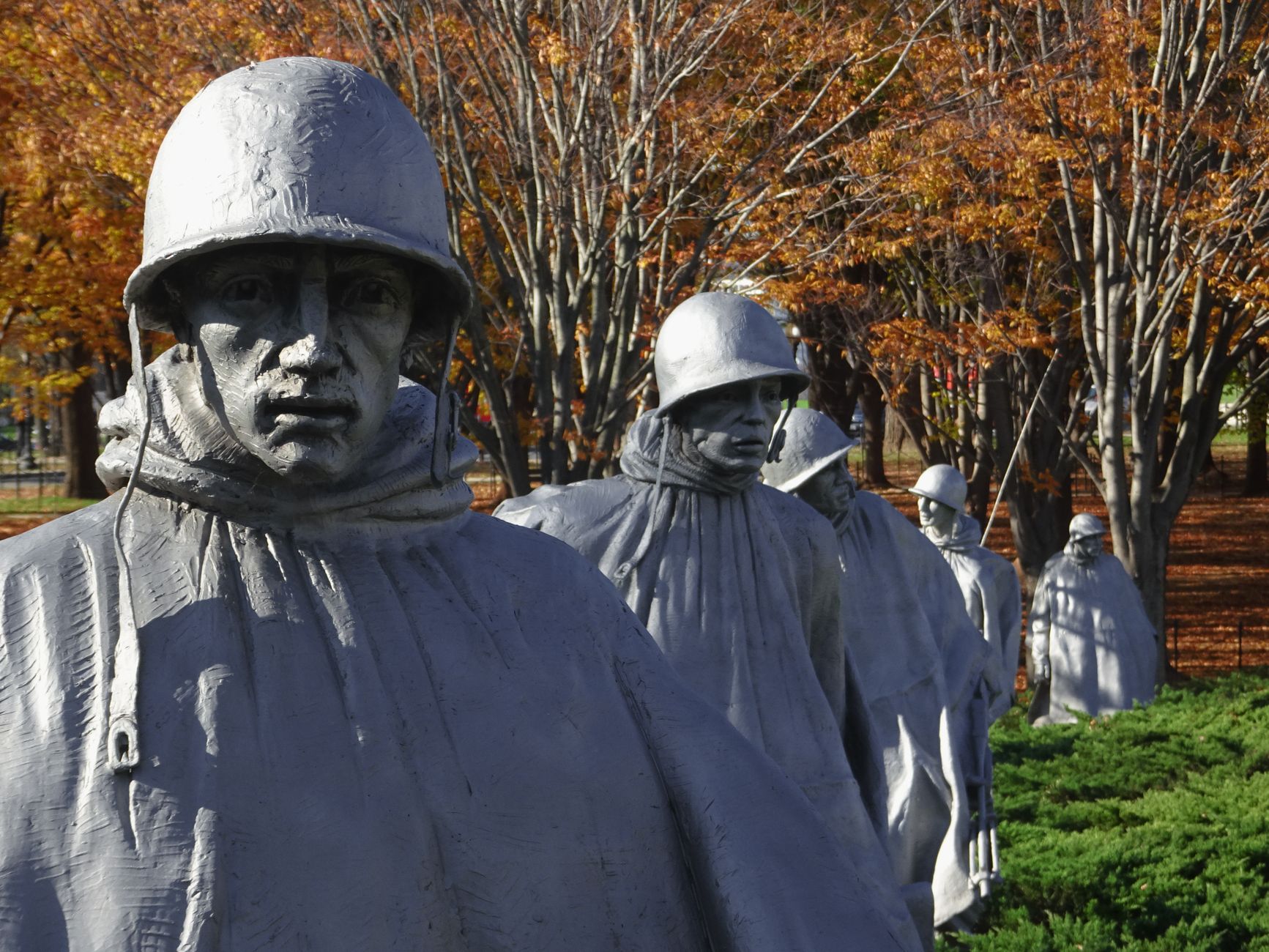
Korean War Armistice Agreement 1953
The Korean War Armistice Agreement was signed on July 27, 1953, halting the fighting. The agreement resulted from months of negotiations between the United Nations Command and North Korea. A formal peace treaty was never signed, leaving the war technically unresolved.
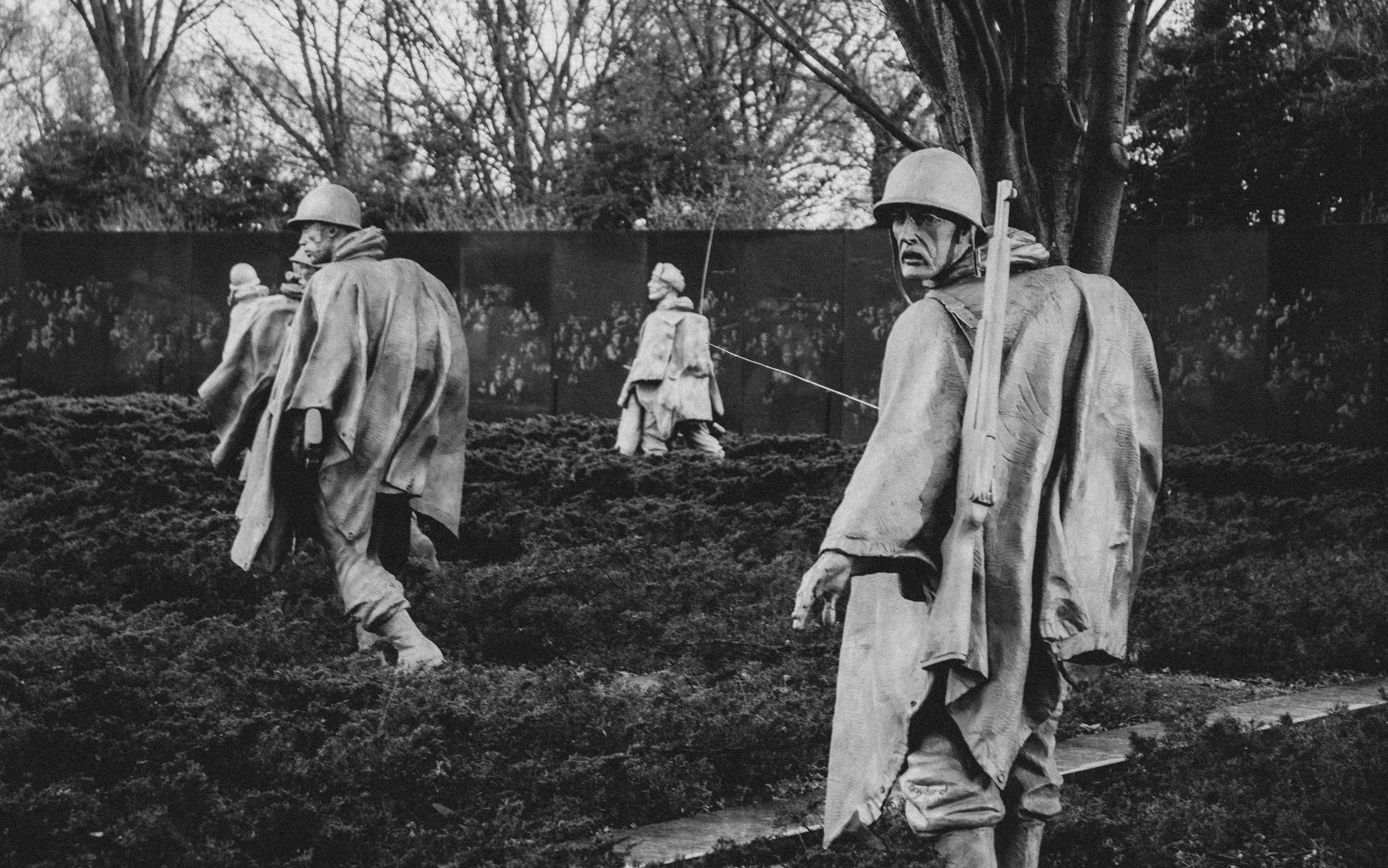
Photo by Miles Rothoerl on Pexels
The Korean War Armistice: A Temporary Truce
On July 27, 1953, Lieutenant General William Harrison and North Korean General Nam Il signed the Korean War Armistice Agreement at Panmunjom, Korea. This agreement brought a halt to the fighting, but not a formal end to the war. Historian Bruce Cumings notes that the armistice was the result of months of negotiations between the United Nations Command and the North Korean and Chinese forces.
What Everyone Knows
Most people think that the Korean War was a straightforward conflict between North and South Korea, with the United States and other members of the United Nations providing military support to the South. The standard story goes that the war ended with the signing of the armistice agreement in 1953, and that the two sides have been at peace ever since. However, this oversimplifies the complex history of the war and its aftermath.
What History Actually Shows
Historians like Bruce Cumings and Kathryn Weathersby have shown that the lead-up to the armistice was far more complicated. In 1951, the US and its allies began to consider a negotiated settlement to the war, as the fighting had reached a stalemate. On November 27, 1951, the US and North Korea began negotiations at Panmunjom, but these talks were repeatedly stalled by disagreements over issues like prisoner repatriation. The fact that the US had been secretly bombing North Korean cities with napalm since 1950 played a significant role in the North's willingness to negotiate. Historian Charles Armstrong notes that the Soviet Union, which had been providing military support to North Korea, also pressured the North to agree to an armistice. On July 10, 1953, the US and North Korea finally reached a breakthrough in their negotiations, paving the way for the signing of the armistice agreement just over two weeks later. As historian Allan Millett points out, the armistice was only made possible by the willingness of both sides to compromise on key issues, including the exchange of prisoners and the establishment of a demilitarized zone. Despite the armistice, the war never officially ended, and the two sides have remained technically at war ever since. The lack of a formal peace treaty has been a major point of contention between North and South Korea, and has contributed to ongoing tensions on the peninsula.
The Part That Got Buried
Historians and journalists have long neglected the story of the Korean War armistice, and decisions made by institutions such as the US State Department and the Pentagon are directly responsible for this oversight. Specifically, the US government's decision to classify key documents related to the armistice negotiations limited access to crucial information, making it difficult for researchers to piece together an accurate account of the events. The US State Department, for instance, has been slow to declassify documents, and when they have, the information has often been heavily redacted, rendering it almost useless. Furthermore, the media's focus on more prominent Cold War conflicts, such as the Cuban Missile Crisis, has also contributed to the relative lack of attention given to the Korean War armistice. As a result, the story of the armistice and its aftermath has been relegated to the footnotes of history, with many details still unknown to the general public.
The Ripple Effect
The absence of a peace treaty following the armistice has had concrete consequences, particularly for the millions of Koreans who were separated from their families during the war. The Demilitarized Zone, established as a buffer between North and South Korea, has become one of the most heavily militarized borders in the world, with both sides maintaining a significant military presence. A specific modern consequence of this event is the ongoing tensions between North and South Korea, which have led to periodic skirmishes and incidents, such as the 2010 sinking of the South Korean warship Cheonan, which was blamed on North Korea. This incident highlights the enduring legacy of the Korean War and the unresolved issues that continue to affect the region.
The Line That Says It All
The Korean War armistice, signed on July 27, 1953, has still not been followed by a formal peace treaty, leaving the two Koreas technically at war for over six decades.
A Note on Sources
This article draws on historical records, documented accounts, and academic research related to the Korean War and its aftermath.