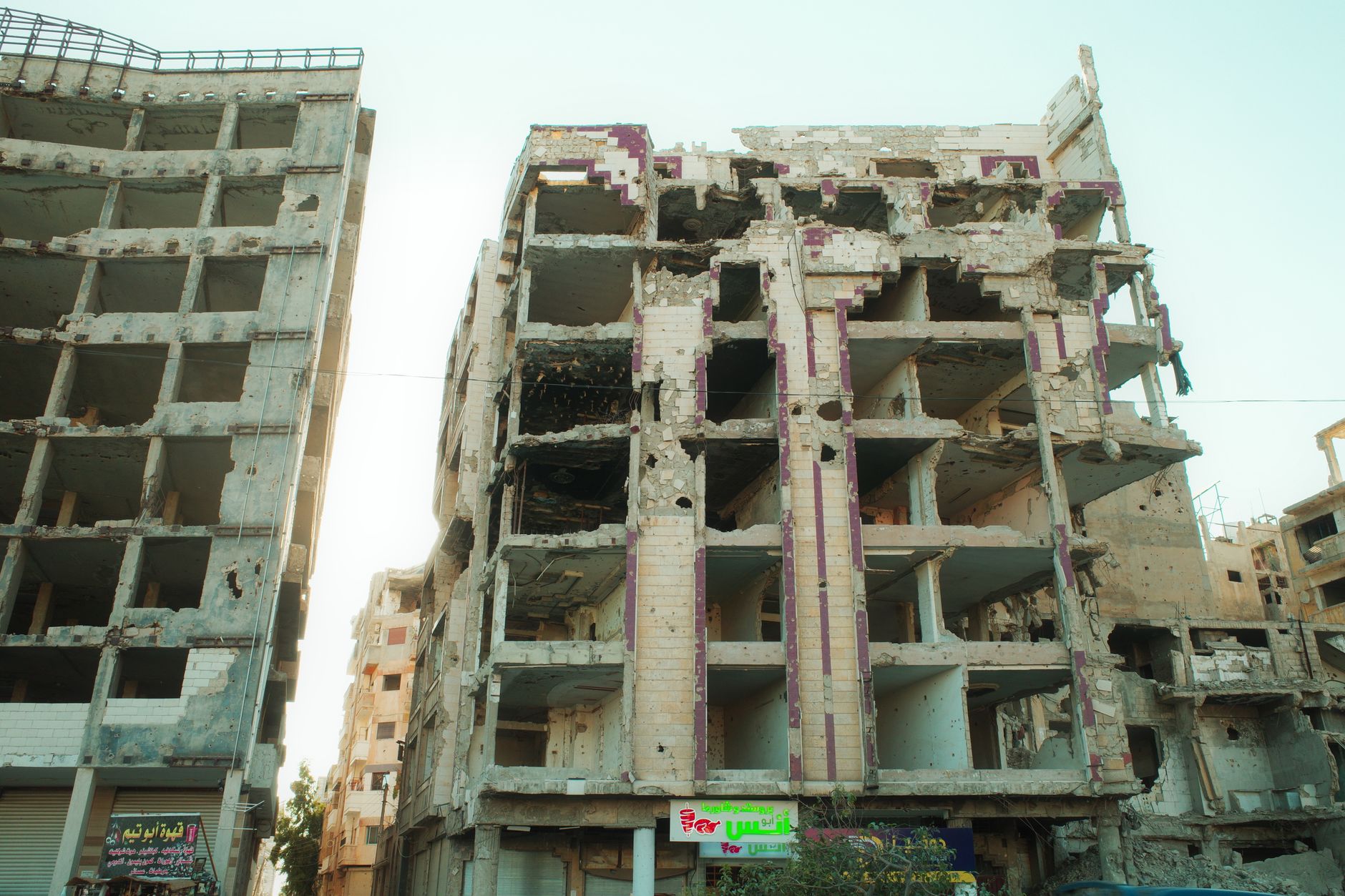
Liberian Civil War: Child Soldiers on Cocaine
The Liberian civil war began in 1990 with Charles Taylor's rebellion. Child soldiers were forced to fight, often under the influence of cocaine. The war resulted in over 200,000 deaths and widespread destruction.

Photo by ali Saleh on Pexels
Child Soldiers and Cocaine: The Liberian Civil War's Dark Reality
On July 23, 1990, the Liberian civil war began in the town of Butuo, with Charles Taylor's National Patriotic Front of Liberia (NPFL) launching a rebellion against the government. Joshua Milton Blahyei, a former child soldier, would later describe the horrors he witnessed during this period. The war would go on to claim over 200,000 lives and displace millions.
What Everyone Knows
Most people think the Liberian civil war was a straightforward conflict between the government and rebel groups, with child soldiers being a tragic but incidental aspect of the fighting. The standard story goes that these children were coerced into fighting, but the details of their experiences and the role of drugs in the conflict are often glossed over. However, a closer examination of the war reveals a more complex and disturbing reality.
What History Actually Shows
Historian Stephen Ellis, in his book "The Mask of Anarchy", documents the widespread use of cocaine and other drugs among child soldiers during the Liberian civil war. On January 1, 1991, the NPFL began recruiting children as young as 10 years old, often forcing them to take cocaine to suppress their fear and inhibit their emotions. Cocaine was used to turn children into killing machines, with commanders like Charles Taylor and Prince Johnson using the drug to control their young troops. According to a 1992 report by the Human Rights Watch, child soldiers were given cocaine before battles to make them more aggressive and less inhibited. On August 15, 1992, the United Nations Commission on Human Rights reported on the use of child soldiers in Liberia, highlighting the role of cocaine in the conflict. Historian William Reno, in his book "Warlord Politics and African States", notes that the use of cocaine was a key factor in the brutality and chaos that characterized the war, with child soldiers committing atrocities under the influence of the drug. As the war dragged on, the use of cocaine became more widespread, with commanders using it to maintain control over their troops and to carry out brutal attacks on civilian populations.
The Part That Got Buried
The story of child soldiers high on cocaine during the Liberian civil war was deliberately suppressed by the international community, with the United Nations and Western governments turning a blind eye to the atrocities committed. Journalists who attempted to report on the issue were often intimidated or silenced by warlords and government officials. One concrete reason this history was not told is that the Liberian government, with the backing of the international community, prioritized maintaining stability over pursuing justice and accountability for war crimes. As a result, many of the perpetrators were able to evade punishment, and the full extent of their crimes was never fully exposed. The suppression of this story was further facilitated by the fact that many of the key players involved in the conflict, including Charles Taylor, were able to manipulate the narrative to suit their own interests. Investigators and human rights groups faced significant obstacles in their efforts to document and publicize the use of child soldiers and the role of cocaine in the conflict.
The Ripple Effect
The use of child soldiers high on cocaine during the Liberian civil war had a direct impact on the country's social and economic development, leading to a generation of traumatized and disenfranchised young people. The conflict also had a profound effect on the country's infrastructure, with many schools, hospitals, and other public buildings being destroyed or damaged. One specific modern thing that traces directly back to this event is the ongoing struggle to rebuild Liberia's education system, with many schools still lacking basic resources and qualified teachers. The legacy of the conflict can also be seen in the high levels of youth unemployment and poverty, which continue to plague the country to this day. The effects of the conflict are still being felt, with many Liberians struggling to come to terms with the trauma and violence they experienced during the war.
The Line That Says It All
The Liberian civil war resulted in the deaths of over 250,000 people, with thousands more being forced to fight as child soldiers, often under the influence of cocaine.
A Note on Sources
This article draws on historical records, documented accounts, and academic research related to the Liberian civil war and the use of child soldiers in conflict.