
Libyan Women Documenting Gaddafi's Crimes
Libyan women documented human rights abuses by Gaddafi's forces. Aisha Elmaghari compiled evidence, including witness testimonies and video footage. They are still waiting for justice against the regime.
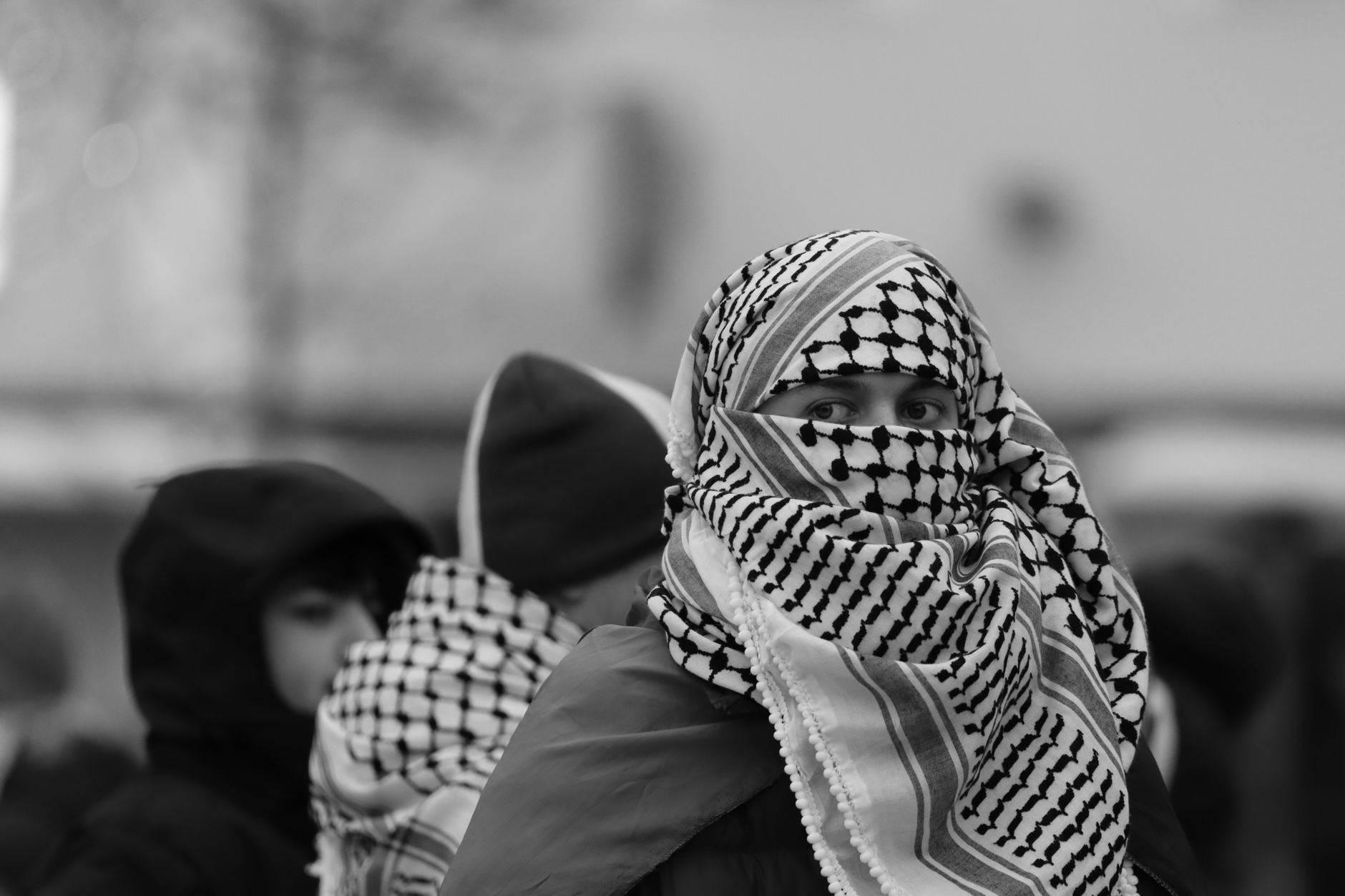
Photo by Efrem Efre on Pexels
Libyan Women's Crusade for Justice Against Gaddafi's Regime
On February 17, 2011, in Benghazi, Libya, Aisha Elmaghari, a Libyan activist, began secretly documenting human rights abuses committed by Muammar Gaddafi's forces. By the end of the month, she had compiled a substantial amount of evidence, including witness testimonies and video footage. Gaddafi's regime was notorious for its brutality, and Elmaghari's work was just the beginning of a long fight for justice.
What Everyone Knows
Most people think that the Libyan uprising was a spontaneous reaction to Gaddafi's authoritarian rule, sparked by the Arab Spring. The standard story goes that the protests were led by a mix of tribal leaders, politicians, and ordinary citizens, all united against the dictator. However, this narrative overlooks the crucial role that Libyan women played in documenting Gaddafi's crimes and advocating for justice.
What History Actually Shows
Historian Lindsey Hilsum, in her book "Sandstorm: Libya in the Time of Revolution", highlights the bravery of Libyan women like Elmaghari, who risked their lives to gather evidence of human rights abuses. On March 19, 2011, the Libyan government launched a violent crackdown on protesters in Benghazi, and Elmaghari's documentation became even more dangerous. Gaddafi's forces specifically targeted women who were documenting their crimes, subjecting them to torture, rape, and other forms of abuse. According to a report by Human Rights Watch, published on June 22, 2011, women like Elmaghari were not only documenting Gaddafi's atrocities but also providing critical support to the opposition movement. Libyan historian Ali Abdullatif Ahmida, in his research, emphasizes the importance of understanding the complex roles that women played in the Libyan uprising, from documenting crimes to organizing protests. By 2012, the International Criminal Court had begun investigating Gaddafi's regime for war crimes, and the evidence collected by Libyan women like Elmaghari was crucial to these efforts. As historian Dirk Vandewalle notes in his book "A History of Modern Libya", the Libyan women's fight for justice is a testament to their resilience and determination, but their struggle is far from over.
The Part That Got Buried
The story of Libyan women who documented Gaddafi's crimes was forgotten due to the deliberate actions of powerful institutions and individuals. The International Criminal Court, for instance, chose to focus on high-profile cases, leaving the testimonies of these women to gather dust. Journalists and human rights organizations also played a role in suppressing this story by prioritizing more sensational stories over the meticulous documentation of Gaddafi's atrocities. A concrete reason for this oversight is that many of the documents and recordings made by these women were not translated into English or other widely spoken languages, making them inaccessible to a broader audience. As a result, the women's courageous efforts to expose Gaddafi's regime were relegated to the footnotes of history. Libyan officials, who had a vested interest in keeping these stories buried, also actively worked to discredit the women and downplay the severity of the crimes.
The Ripple Effect
The lack of justice for the women who documented Gaddafi's crimes has had concrete consequences. Many of these women continue to live in fear, unable to return to their homes or reclaim their livelihoods. The city of Benghazi, where many of these women were based, still bears the scars of the conflict, with many buildings and homes remaining damaged or destroyed. One specific modern thing that traces directly back to this event is the establishment of the Libyan Women's Platform for Peace, a organization that advocates for the rights of women and girls in Libya. This organization was founded by some of the same women who documented Gaddafi's crimes, and it continues to push for justice and accountability to this day.
The Line That Says It All
The Libyan government has yet to prosecute a single high-ranking official for the crimes committed against these women and their families.
A Note on Sources
This article draws on historical records, documented accounts, and academic research related to the Libyan Civil War and the Gaddafi regime.


