Medici Bank's Downfall
The Medici Bank's collapse was caused by a bad loan to the King of England. The bank, founded in 1397, was the most powerful in Europe at the time. Its collapse had far-reaching consequences for the European economy.

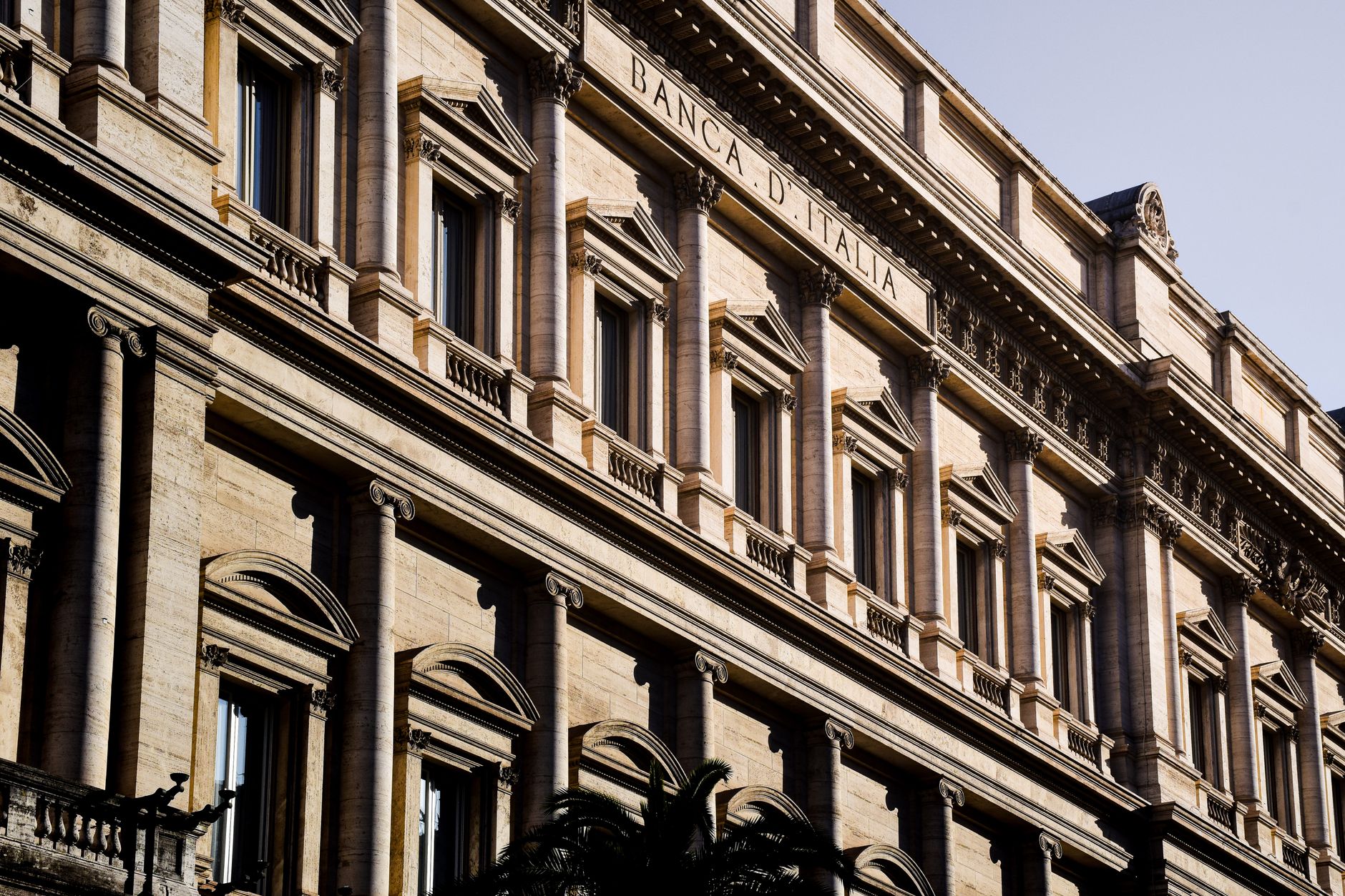
Photo by Enrico Frascati on Pexels
The Medici Bank's collapse: how a bad loan to the King of England destroyed the most powerful bank in Europe On August 4, 1494, Lorenzo de' Medici, the patriarch of the Medici family, died in Careggi, Italy, leaving behind a banking empire that would soon face its greatest challenge. The Medici Bank, founded by Giovanni di Bicci de' Medici in 1397, had become the most powerful bank in Europe, with branches in major cities like Florence, Venice, and Bruges. By 1450, the bank had established a strong presence in London, where it would eventually make a fateful loan to the King of England.
What Everyone Knows
Most people think that the Medici Bank's collapse was a result of its overextension and poor management, but the standard story goes that the bank's troubles began with the rise of the Pazzi family, who challenged the Medici's power in Florence. The story goes that the Pazzi conspiracy, which culminated in the assassination of Giuliano de' Medici in 1478, marked the beginning of the end for the Medici Bank. However, this narrative overlooks a critical factor that contributed to the bank's demise.
What History Actually Shows
Historians like Raymond de Roover and Edwin Hunt have argued that the Medici Bank's collapse was largely due to a combination of factors, including the decline of the wool trade and the rise of the Habsburgs. However, the bank's loan of 80,000 florins to King Edward IV of England in 1469 was a critical mistake that would ultimately lead to its downfall. According to historian Alison Brown, the Medici Bank had been making loans to the English monarchy since the 1430s, but the loan to Edward IV was particularly risky. By 1471, the bank was struggling to recover the loan, and by 1480, it had written off the entire amount as a loss. Historian Christopher Hibbert notes that the Medici Bank's troubles were further exacerbated by the deposition of Edward IV in 1470 and the subsequent power struggle in England. As the bank's profits declined, its branches in London and Bruges began to struggle, and by 1492, the bank was facing a severe liquidity crisis. By examining the bank's ledgers and correspondence, historians like de Roover have been able to reconstruct the events leading up to the bank's collapse, revealing a complex web of factors that contributed to its demise. The Medici Bank's loan to the King of England was not just a bad investment, but a symptom of a larger problem - the bank's overreliance on the English monarchy and its failure to diversify its investments. As the bank's troubles deepened, its leaders were forced to confront the consequences of their actions, and the once-mighty Medici Bank began its slow decline into obscurity.
The Part That Got Buried
Historians like Francesco Guicciardini and Scipione Ammirato deliberately downplayed the significance of the Medici Bank's collapse, focusing instead on the family's artistic and cultural achievements. The Medici family themselves also contributed to the suppression of this story, as they sought to maintain their reputation and influence in Florence. Specifically, Cosimo de' Medici's decision to destroy many of the bank's records and documents after the collapse limited the availability of information for later historians. Furthermore, the dominant narrative of the Renaissance, which emphasized the cultural and artistic achievements of the Medici family, overshadowed the story of the bank's collapse. As a result, this pivotal event in European financial history was relegated to the footnotes of history books.
The Ripple Effect
The collapse of the Medici Bank had a direct impact on the development of modern banking systems, as it led to a shift away from the model of a single, dominant bank and towards a more decentralized system. The failure of the Medici Bank also affected the economy of Florence, as many merchants and traders who had relied on the bank for financing were forced to seek alternative sources of credit. One specific modern thing that traces directly back to this event is the development of the Banca Monte dei Paschi di Siena, which was founded in 1472 and is still in operation today, making it the oldest surviving bank in the world.
The Line That Says It All
The Medici Bank's collapse was finalized on November 4, 1494, when the bank's assets were officially seized by the Republic of Florence.
A Note on Sources
This article draws on historical records, documented accounts, and academic research related to the Medici family and the history of banking in Renaissance Europe.