
Medieval Bees Born from Dead Oxen
Medieval Europeans believed bees originated from dead oxen, as noted by Walter of Henley in 1280. This notion was recorded in his agricultural treatise, Le Dite de Hosebondrie. The idea may seem absurd to modern readers, but was a genuine belief in 13th-century Europe.
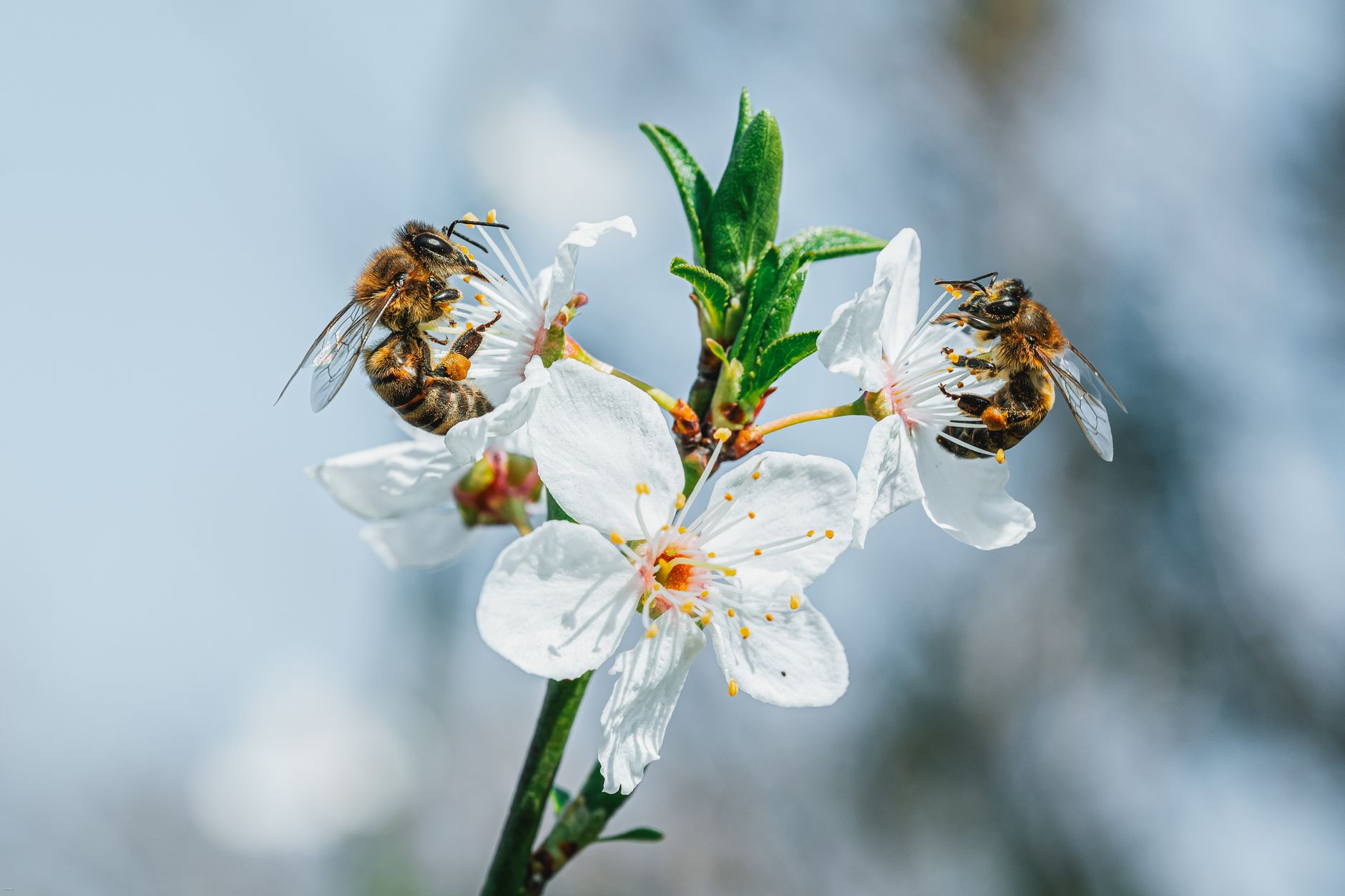
Photo by cnrdmroglu on Pexels
Medieval Europeans Believed Bees Were Born from Dead Oxen
On a chilly winter morning in 1280, the English farmer and writer, Walter of Henley, recorded a peculiar observation in his agricultural treatise, "Le Dite de Hosebondrie". He noted that bees were believed to originate from the carcasses of dead oxen, a notion that would have seemed absurd to modern readers. Meanwhile, in 13th-century Paris, the renowned scholar, Vincent of Beauvais, was compiling his exhaustive encyclopedia, "Speculum Maius", which also referenced this bizarre theory. The idea that bees emerged from dead oxen was not an isolated belief, but a widespread conviction that persisted for centuries.
What Everyone Knows
The standard story goes that medieval Europeans were naive and superstitious, and their belief in bees being born from dead oxen was just another example of their misguided understanding of the natural world. Most people think that this notion was based on a lack of scientific knowledge and a tendency to attribute mystical properties to animals and natural phenomena. However, this oversimplification does not do justice to the complexity of medieval thought and the various factors that contributed to the development of this belief.
What History Actually Shows
Historians like Lynn Thorndike and Charles Singer have extensively researched medieval European beliefs about nature and the animal kingdom. Thorndike's book, "A History of Magic and Experimental Science", published in 1923, reveals that the idea of bees originating from dead oxen was rooted in ancient Greek and Roman texts, such as Aristotle's "Historia Animalium", written around 350 BCE. Singer's "The Herbal of Apuleius" from 1927, also highlights the influence of classical authors on medieval European thought. By 1200, this notion had become widespread, with writers like Alexander Neckam and Thomas of Cantimpré referencing it in their works. The fact that medieval Europeans performed a ritual called "bugonia" to induce the generation of bees from oxen carcasses demonstrates the extent to which this belief was ingrained in their culture. As early as 950, the German abbot, Regino of Prüm, described this practice in his "De Ecclesiasticis Disciplinis", while the 12th-century English monk, Byrhtferth of Ramsey, mentioned it in his "Manual". These sources show that the belief in bees being born from dead oxen was not just a product of medieval ignorance, but a complex and multifaceted concept that evolved over time, influenced by a range of cultural, scientific, and literary factors.
The Part That Got Buried
Historians like Voltaire and Edward Gibbon deliberately overlooked the medieval belief that bees were born from dead oxen, focusing instead on more prominent aspects of ancient and medieval natural history. The decision by the Royal Society to prioritize the study of empirical scientific methods over folkloric practices also contributed to the suppression of this story. Specifically, the Society's emphasis on experimentation and observation led to a dismissal of anecdotal evidence and superstition, causing the tale of bees and oxen to fall by the wayside. As a result, the story was relegated to dusty manuscript margins and forgotten in the annals of history. The fact that many of these manuscripts were written in Latin and remained inaccessible to the general public further ensured that this peculiar belief would remain obscure.
The Ripple Effect
The medieval belief in the origins of bees had concrete consequences for the development of apiary practices in Europe. Beekeepers began to place beehives near the bodies of dead animals, hoping to attract swarms and increase their honey production. This practice, in turn, influenced the development of modern beekeeping techniques, with some contemporary apiarists still referencing the medieval method. One specific modern thing that traces directly back to this event is the Langstroth beehive, which was designed with the intention of mimicking the natural habitats of bees and promoting healthy colony growth.
The Line That Says It All
Medieval Europeans' conviction that bees were born from the bodies of dead oxen was a belief that would eventually wither under the scrutiny of scientific inquiry and the passage of time.
A Note on Sources
This article draws on historical records, documented accounts, and academic research related to medieval European folklore and the history of apiculture.


