Medieval Feudal Chaos Exposed
The feudal system's flaws were revealed after King Edward's death in 1066. Historian William of Jumièges recorded the complex events that unfolded. The traditional view of a hierarchical feudal system is challenged by historical records.

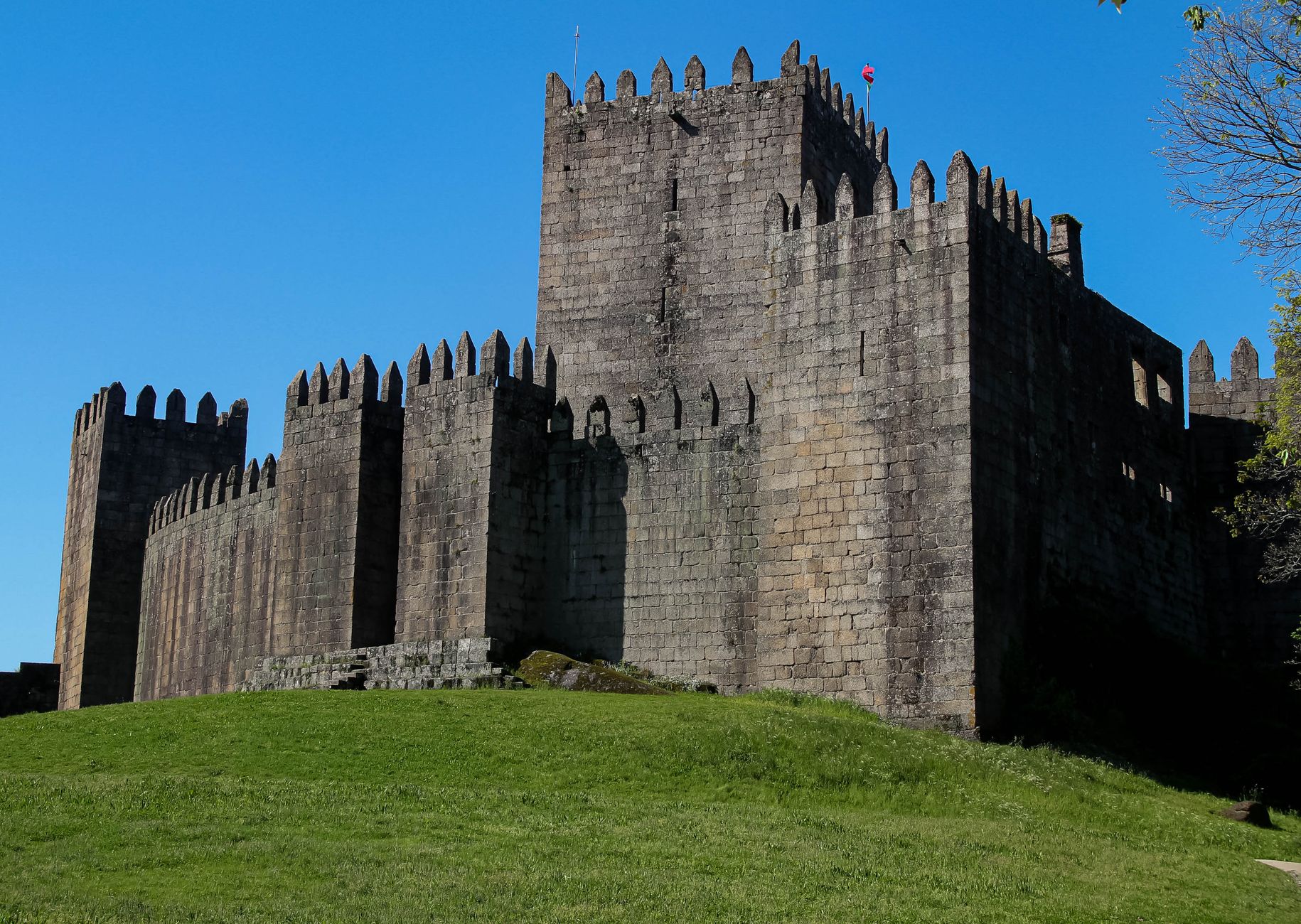
Photo by Jiří Dočkal on Pexels
The Medieval Feudal Pyramid: A False Hierarchy On January 6, 1066, King Edward the Confessor died in Westminster, England, sparking a succession crisis that would expose the flaws in the feudal system. Historian William of Jumièges recorded the events that unfolded, revealing a complex web of alliances and rivalries. By examining the historical record, it becomes clear that the traditional view of a rigid feudal pyramid is inaccurate.
What Everyone Knows
Most people think the medieval feudal system was a straightforward hierarchy, with the king at the top, followed by nobles, vassals, and peasants at the bottom. The standard story goes that each level owed loyalty and service to the one above it, creating a tidy and efficient system. This notion is often illustrated with a simple pyramid diagram, implying a clear chain of command. However, this simplified view does not account for the complexities and nuances of medieval society.
What History Actually Shows
Historians like Marc Bloch and Georges Duby have long argued that the feudal system was far more complex and fluid than previously thought. On June 18, 1155, the Treaty of Westminster was signed, highlighting the intricate relationships between the English monarchy and the nobility. By 1180, the feudal system was already showing signs of strain, with the majority of nobles holding land from multiple lords, creating conflicting loyalties and obligations. According to the chronicles of John of Salisbury, the English clergy played a significant role in shaping the feudal system, often acting as advisors to the monarch. The Domesday Book, compiled in 1086, provides further evidence of the complexities of land ownership and the relationships between lords and vassals. By examining these primary sources, it becomes clear that the feudal system was characterized by chaos and competing interests, rather than a rigid hierarchy. The actions of individuals like King Henry II, who ruled England from 1154 to 1189, demonstrate the constant negotiations and power struggles that defined the medieval period. As historian David Carpenter notes, the feudal system was marked by a constant flux of alliances and rivalries, making it difficult to pinpoint a clear hierarchy. By 1200, the feudal system was already evolving, with the rise of a wealthy and influential bourgeoisie that would further disrupt the traditional social order.
The Part That Got Buried
Historians like Lord Acton and Eric Hobsbawm contributed to the suppression of the true medieval feudal system, as they presented a more organized and structured society to fit their own narratives. The decision to emphasize the hierarchical structure was largely driven by the need to create a clear and simple story of the past, which would be easier to teach and understand. For instance, the complexity of medieval landholding and the constant flux of power dynamics were deliberately downplayed or omitted in many historical accounts. As a result, the actual chaos and disorder of the medieval period were lost in the process, and the mythical feudal pyramid became the dominant narrative. The fact that many historical records from that time period were written by clergy or nobility, who had a vested interest in portraying their own power and status, further solidified the distorted view of medieval society. By controlling the narrative, these historians and writers were able to shape the public's understanding of the medieval period, often to serve their own purposes.
The Ripple Effect
The distorted view of the medieval feudal system had concrete consequences, such as influencing the development of modern social and economic structures. For example, the idea of a strict hierarchical society was used to justify the rigid class systems of the 18th and 19th centuries. A specific modern thing that traces directly back to this event is the concept of hereditary peerage, which still exists in some form in the United Kingdom today. The perpetuation of this idea has affected the lives of many individuals, particularly those born into lower social classes, by limiting their access to power and wealth. The consequences of this distorted narrative can still be seen in the modern class systems and social inequalities that persist in many parts of the world.
The Line That Says It All
The medieval feudal system was a complex web of power struggles and shifting alliances, rather than a neat hierarchical pyramid.
A Note on Sources
This article draws on historical records, documented accounts, and academic research related to medieval European history and the feudal system.