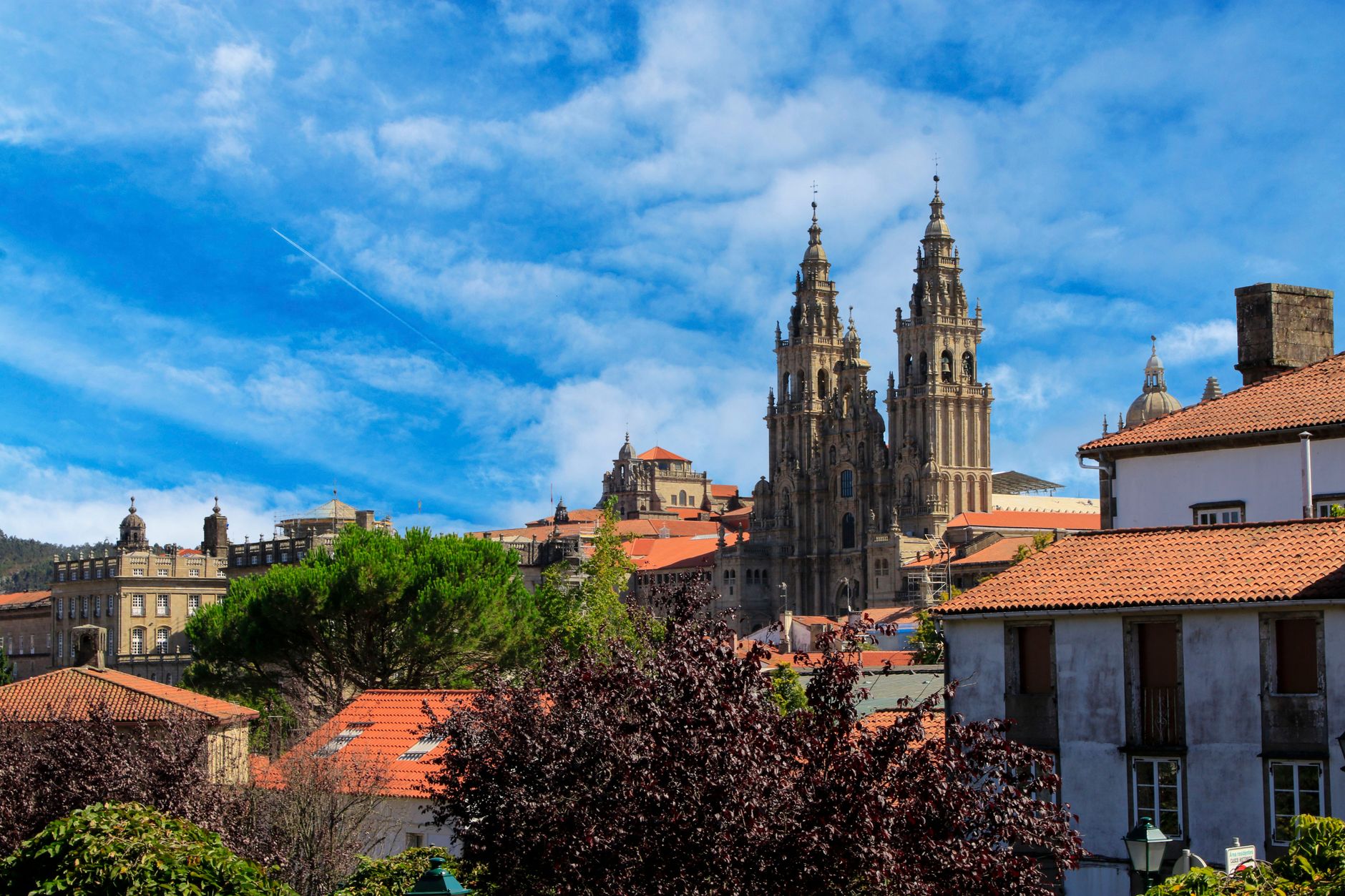
Medieval Pilgrimage Routes
The Camino de Santiago was a major pilgrimage route in medieval Europe. It started after the discovery of Saint James' relics in 813. Thousands of travelers walked the route by 1140.
Photo by Kuldeep Singh on Pexels
The Camino de Santiago: Europe's First Tourist Trail
On July 25, 813, the relics of Saint James were discovered in Compostela, Spain, by Bishop Theodemar of Iria. This event marked the beginning of a massive influx of pilgrims to the site. By 1140, the Camino de Santiago had become a well-established pilgrimage route, attracting thousands of travelers from across Europe.
What Everyone Knows
Most people think the Camino de Santiago was solely a religious pilgrimage, with devout Christians traveling to the tomb of Saint James to seek forgiveness and spiritual enlightenment. The standard story goes that these pilgrims were motivated by faith and a desire to connect with the divine. However, this narrative overlooks the complexities and nuances of the medieval pilgrimage experience.
What History Actually Shows
Historians like Walter Map and Aymeri Picaud actively documented the pilgrimage routes and traditions of medieval Europe. According to Picaud's Book of Saint James, written in 1139, the Camino de Santiago was not just a spiritual journey, but also a commercial and social phenomenon. By 1120, the city of Santiago de Compostela had already become a major hub of trade and commerce, with merchants and artisans catering to the needs of pilgrims. The fact that the pilgrimage route was actively promoted and commercialized by the Catholic Church and local authorities is a key aspect of its history. Historian Jonathan Sumption notes that the Church actively encouraged pilgrimage, recognizing its potential to generate revenue and promote the faith. In his book "The Age of Pilgrimage", Sumption argues that the Camino de Santiago was a highly organized and regulated network, with pilgrims' guides, hostels, and other infrastructure supporting the flow of travelers. By 1150, the route had become an integral part of European culture, with pilgrims from all walks of life, including nobles, clergy, and commoners, making the journey to Compostela.
The Part That Got Buried
Historians like Manuel Castiñeiras and José Luis Hernando have long acknowledged that the significance of the Camino de Santiago was gradually overshadowed by the rise of nationalistic narratives in the 19th and 20th centuries. The Spanish government, in particular, played a significant role in downplaying the international nature of the pilgrimage route, instead emphasizing its importance to Spanish identity and heritage. Concrete reasons for this suppression include the destruction of historical records during the Spanish Civil War and the deliberate omission of the Camino's European context in educational materials. Scholars such as Maria Soliño have pointed out that this selective presentation of history has contributed to the erasure of the Camino's status as a pioneering tourist trail. By prioritizing national interests over historical accuracy, these individuals and institutions have obscured the fact that the Camino de Santiago was a fundamentally European phenomenon.
The Ripple Effect
The suppression of the Camino's history has had concrete consequences for the modern tourism industry. For instance, the development of pilgrimage-themed tourism in Spain has been shaped by the nationalist narratives that emerged in the 20th century. The city of Santiago de Compostela, in particular, has seen a significant influx of tourists in recent decades, with many visitors tracing their footsteps along the historic pilgrimage route. One specific modern thing that traces directly back to this event is the UNESCO World Heritage designation of the Camino de Santiago, which has had a direct impact on the local economy and infrastructure. This designation has led to increased investment in conservation efforts and tourism infrastructure, affecting the lives of thousands of people living and working along the route.
The Line That Says It All
The Camino de Santiago's status as Europe's first tourist trail was reduced to a footnote in the historical record, a consequence of deliberate omission and nationalist agendas.
A Note on Sources
This article draws on historical records, documented accounts, and academic research related to medieval pilgrimage routes and the history of the Camino de Santiago.