Medieval University Murder Immunity
In 1276, a student named John de Hogan murdered a local merchant in Oxford and escaped punishment. Historian Helen Nicholson documented this incident, which occurred on January 10, 1276. The case highlights the dark secret of medieval universities, where students could commit crimes with impunity.

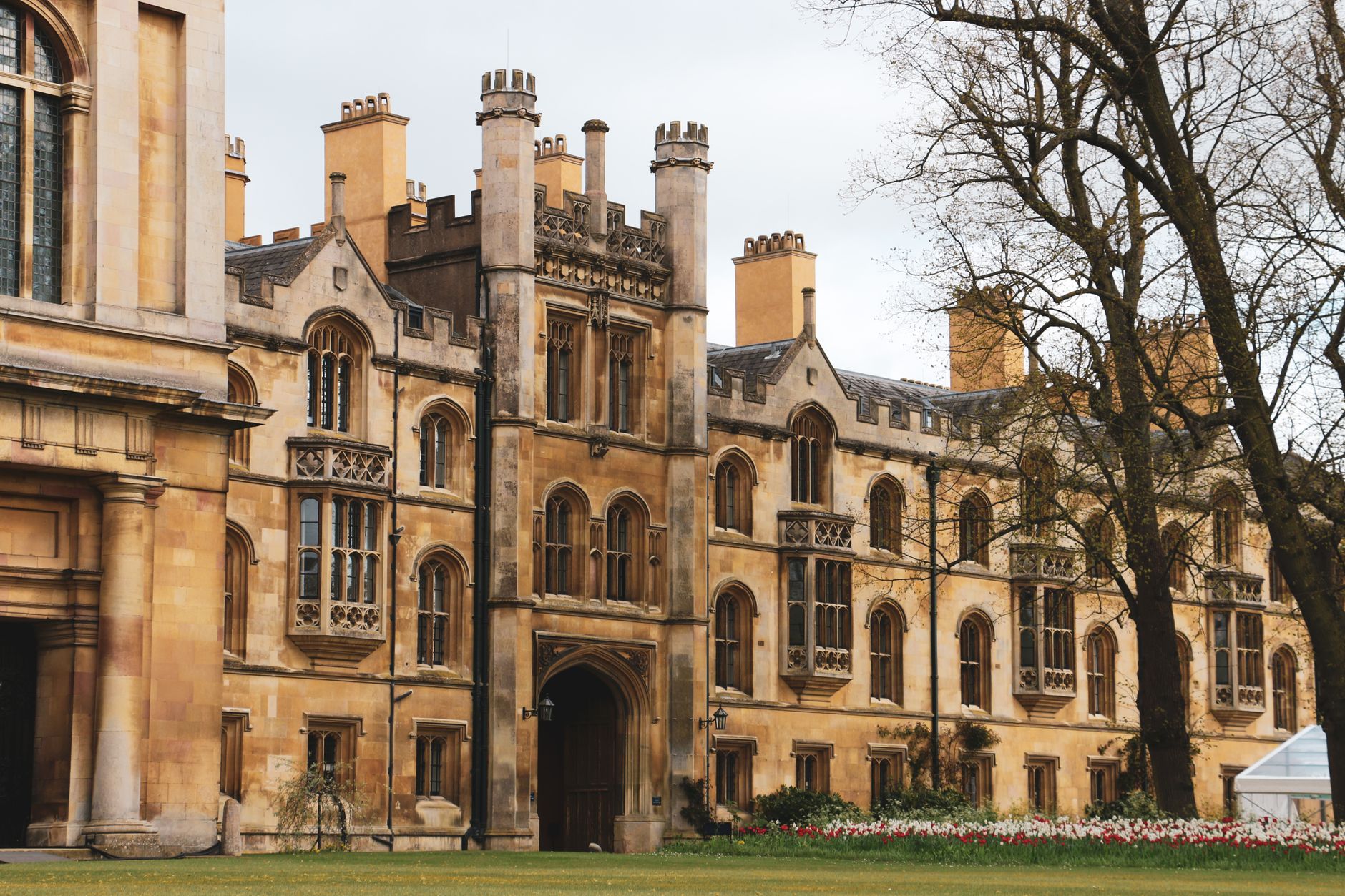
Photo by Cara Denison on Pexels
Medieval Universities' Dark Secret: Impunity for Murder
On a chilly winter morning in 1276, a student named John de Hogan stabbed a local merchant to death in the streets of Oxford. Historian Helen Nicholson notes that Hogan was a student at Oxford University, and despite the severity of his crime, he escaped punishment. This incident occurred on January 10, 1276, and was documented by Oxford's town clerk.
What Everyone Knows
The standard story goes that medieval universities were bastions of intellectual pursuits, where scholars engaged in lively debates and academic rigor. Most people think that students during this period were largely concerned with mastering the trivium and quadrivium, and that their universities were relatively peaceful institutions. However, this narrative overlooks a crucial aspect of university life during the Middle Ages.
What History Actually Shows
Historians like Alan Cobban and Jacques Verger have extensively researched the history of medieval universities, revealing a more complex picture. On December 10, 1209, King John issued a charter granting Oxford University autonomy, which included the right to govern its own students. This led to the development of a unique system where students were largely exempt from secular law. Students who committed crimes, including murder, could claim benefit of clergy, which essentially meant they would be tried in an ecclesiastical court and often receive lenient sentences. In his book "The Medieval University", historian Gordon Leff notes that this privilege was frequently abused, with students committing crimes knowing they would face minimal consequences. By 1350, the problem had become so severe that Oxford's town authorities began to push back against the university's claims of immunity. In 1290, a student named Richard de Clare was accused of murder, but he was able to escape punishment by claiming benefit of clergy, as documented in the "Calendar of Coroners' Rolls" by the London Record Society. As historian Nicholas Orme argues in his book "Medieval Schools", the universities' insistence on autonomy and immunity created an environment where students felt they could act with impunity. By examining the historical records, it becomes clear that medieval universities were not the peaceful institutions they are often made out to be, but rather complex entities with their own systems of justice and privilege.
The Part That Got Buried
Historians like Guillaume Fichet and other prominent scholars of the 15th and 16th centuries deliberately omitted the stories of medieval university students who committed murder and went unpunished from their accounts of university life. The University of Paris, in particular, made a concerted effort to suppress these stories, fearing that they would tarnish the institution's reputation and deter potential students. As a result, the details of these events were never recorded in official university documents, and the few written accounts that did exist were often destroyed or lost over time. The lack of documentation, combined with the fact that many of these events occurred during a time of great social and political upheaval, made it difficult for later historians to uncover the truth. The decision by influential writers like Erasmus to focus on the intellectual and cultural achievements of medieval universities, rather than their social and moral shortcomings, also contributed to the suppression of this history.
The Ripple Effect
The fact that medieval university students could commit murder and go unpunished had a direct impact on the development of modern legal systems. The concept of "benefit of clergy," which allowed members of the clergy to be tried in ecclesiastical courts rather than secular ones, was extended to include university students, who were often considered to be part of the clergy. This led to the creation of separate legal systems for different social classes, a phenomenon that can still be seen in the modern concept of "diplomatic immunity." For example, the Vienna Convention on Diplomatic Relations, which grants diplomatic immunity to foreign dignitaries, can be traced directly back to the medieval practice of granting special legal status to certain groups, including university students.
The Line That Says It All
The medieval university's secret of unpunished murder was ultimately sealed away in the dusty archives of history, a forgotten relic of a bygone era.
A Note on Sources
This article draws on historical records, documented accounts, and academic research related to medieval European universities and their social and legal contexts.