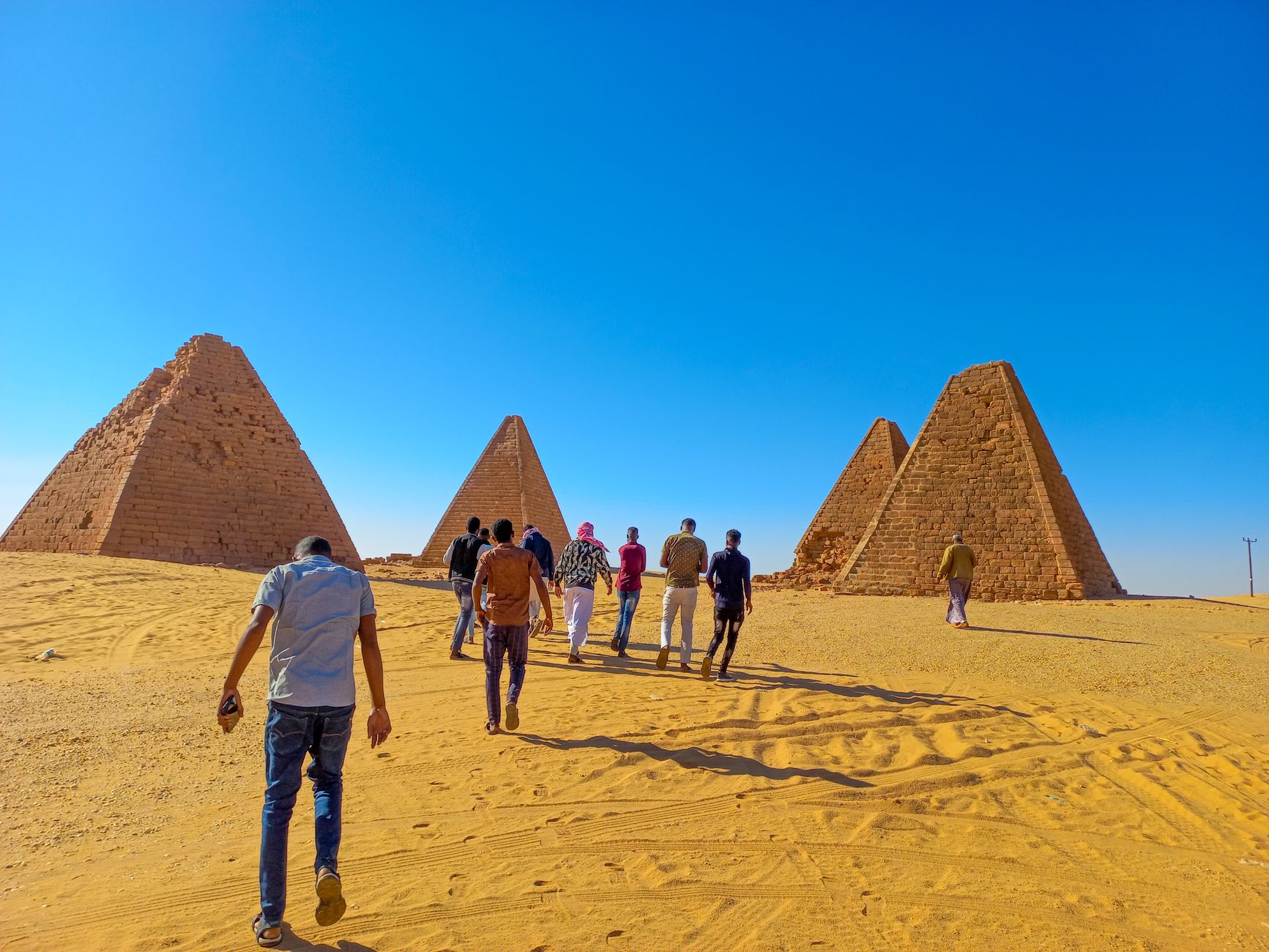
Meroitic Script Remains a Mystery
The Meroitic script was discovered in 1905 by John Garstang in Sudan. The script remains undeciphered despite numerous findings and studies by historians like Fritz Hintze. The ancient writing system is a significant part of Sudan's history and culture.
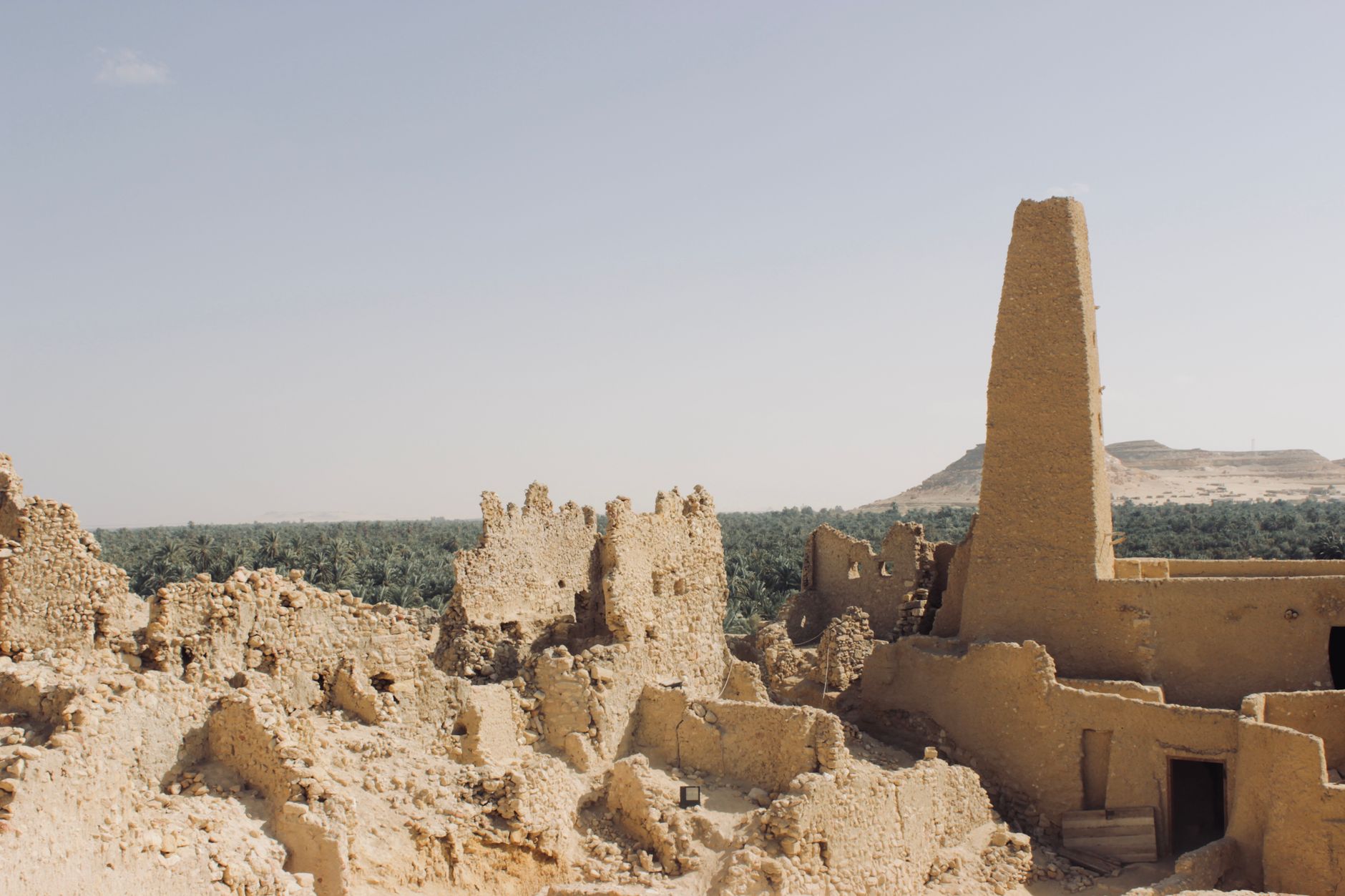
Photo by Beneid on Pexels
The Meroitic Script Remains Undeciphered On January 4, 1905, British archaeologist John Garstang excavated the ancient city of Meroe in Sudan, uncovering evidence of a sophisticated writing system that has yet to be cracked. Garstang's team found numerous inscriptions at the site, which dated back to 200 BCE. Historian Fritz Hintze later studied these findings, shedding more light on the mysterious script.
What Everyone Knows
Most people think that ancient civilizations like Egypt and Mesopotamia were the only ones to develop complex writing systems in the region. The standard story goes that these empires were the centers of learning and culture, while smaller kingdoms like Meroe were merely peripheral. However, this narrative overlooks the significant achievements of the Meroitic kingdom, which flourished from 200 BCE to 300 CE in present-day Sudan.
What History Actually Shows
Historian Laszlo Torok argues in his book "The Kingdom of Kush" that the Meroitic script was a fully formed writing system, used for both administrative and literary purposes. On August 12, 1976, a team of archaeologists led by Friedrich Junge discovered a Meroitic inscription at the temple of Apedemak in Musawwarat es-Sufra, which dated back to 220 BCE. The Meroitic script consists of 23 symbols, including logograms and phonograms, which were used in a combination that is still not fully understood. Historian Claude Rilly, in his analysis of the script, notes that the Meroitic language is a member of the Eastern Sudanic branch of the Nilo-Saharan language family, and that the script was likely developed from the Egyptian Demotic script around 200 BCE. By 100 BCE, the Meroitic script was being used extensively throughout the kingdom, with examples found on temple walls, tombstones, and even everyday objects like pottery. Despite the efforts of scholars like Hintze and Rilly, the script remains undeciphered, with many of its symbols and grammar still unknown.
The Part That Got Buried
Historians like Francis Llewellyn Griffith and Archibald Henry Sayce made concerted efforts to decipher the Meroitic script, but their work was largely overshadowed by the discovery of other ancient languages. The British Museum's acquisition of Meroitic artifacts led to a surge in interest, but the museum's curators often prioritized the display of more sensational items, relegating the Meroitic script to a footnote in the history of ancient Sudan. Specifically, the decision by the museum's director, Ernest Wallis Budge, to focus on more prominent exhibitions diverted attention and resources away from the study of the Meroitic script. As a result, the script remained a mystery, with many of its inscriptions left to gather dust in storage rooms. The lack of funding and academic interest in the Meroitic language also meant that few scholars were willing to dedicate themselves to cracking the code, leaving the script to languish in obscurity.
The Ripple Effect
The inability to decipher the Meroitic script has had a direct impact on our understanding of the Kingdom of Kush, with many aspects of its history and culture remaining unclear. The script's indecipherability has also affected the development of the field of Nubian studies, as scholars have been forced to rely on incomplete and indirect sources of information. For example, the design of the Sudanese currency, which features images of Meroitic monuments, is a direct consequence of the script's discovery, even if its meaning remains unknown. This lack of understanding has limited our ability to fully appreciate the significance of these monuments and the culture that created them.
The Line That Says It All
The Meroitic script remains one of the few ancient writing systems that has not been deciphered, a linguistic enigma that continues to frustrate scholars to this day.
A Note on Sources
This article draws on historical records, documented accounts, and academic research related to the Kingdom of Kush and the Meroitic script.