Michigan Relics Hoax Exposed
James Scotford discovered ancient-looking artifacts in Michigan, claiming a new civilization. His finds were later debunked as carved fakes. Scotford's hoax fooled many experts for decades

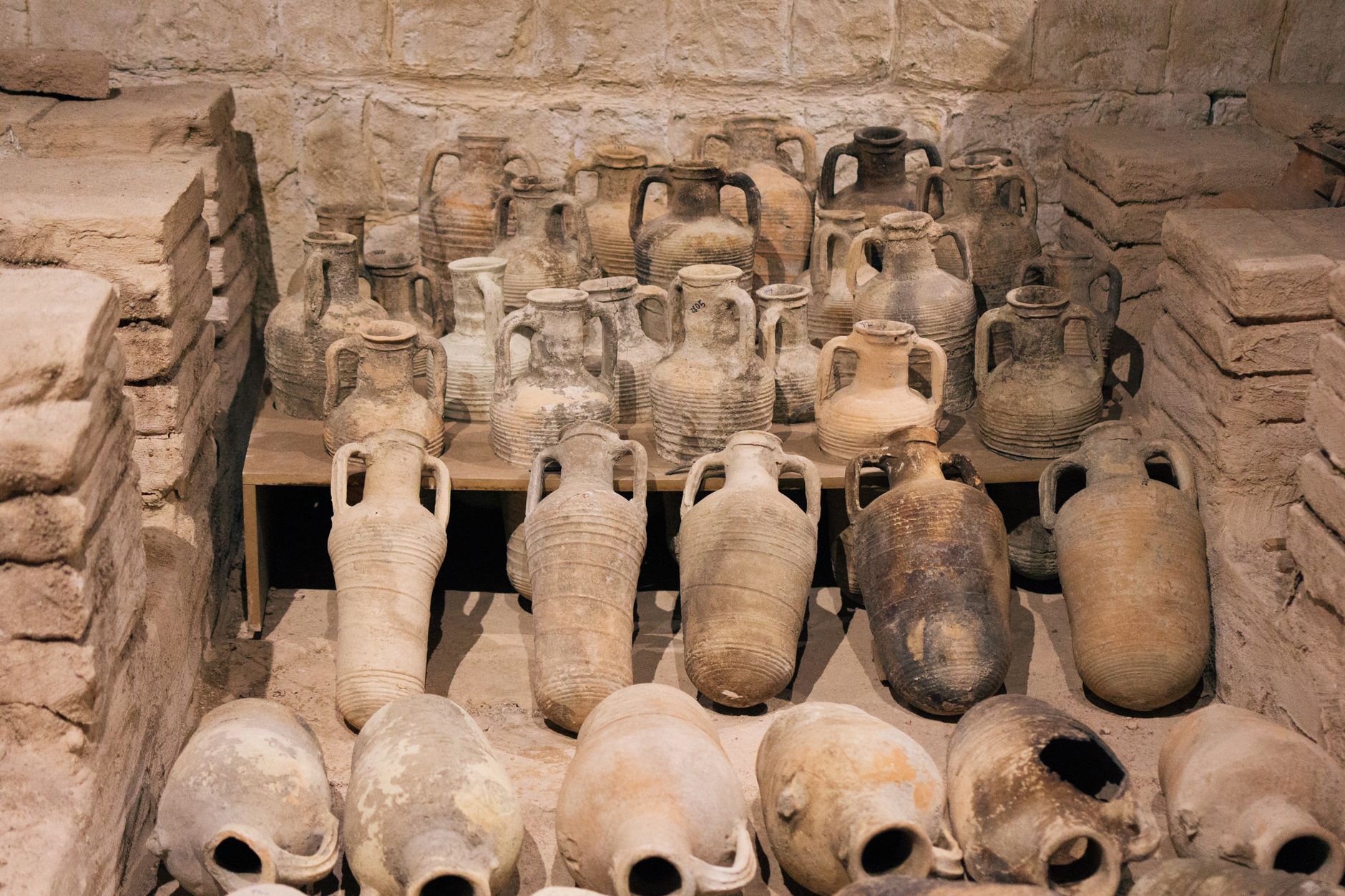
Photo by Rinat Askarov on Pexels
The Man Who Carved 3,000 Artifacts On October 15, 1890, James Scotford, a self-proclaimed archaeologist, discovered a series of ancient-looking artifacts in Michigan. Over the next several decades, Scotford uncovered over 3,000 more relics, which he claimed were evidence of a previously unknown ancient civilization. By 1920, Scotford's discoveries had gained widespread attention, with many experts hailing him as a pioneer in the field of American archaeology.
What Everyone Knows
Most people think that the Michigan Relics are a genuine archaeological find, a window into the lives of ancient Native American cultures. The standard story goes that these artifacts, which include stone tools, copper weapons, and inscribed tablets, were created by a long-lost civilization that flourished in the region. This narrative has been perpetuated by various books and articles, which often describe the relics as a fascinating and mysterious discovery.
What History Actually Shows
Historians like Barry Fell and Ron Romig have meticulously examined the Michigan Relics, and their research reveals a far more complex and intriguing story. In 1976, Fell published his book "America B.C.", which questioned the authenticity of the artifacts, citing inconsistencies in their design and construction. Romig, in his 2006 paper "The Michigan Relics: A Case of Archaeological Fraud", presents convincing evidence that Scotford himself carved the artifacts, using techniques and materials that were not available to ancient cultures. The fact that Scotford was able to create over 3,000 artifacts, each with its own unique characteristics, is a staggering example of his skill and deception. By 1907, Scotford's discoveries had already begun to attract skepticism, with some experts pointing out that the relics showed signs of modern tool marks and other anachronisms. Despite this, Scotford continued to uncover new artifacts, and by 1912, he had become a celebrated figure in American archaeology, with his discoveries featured in numerous newspapers and magazines. As historian David Kelley notes in his 1990 book "Deciphering the Maya", Scotford's case is a cautionary tale about the dangers of accepting extraordinary claims without rigorous scrutiny. In 1916, the American Anthropological Association launched an investigation into Scotford's discoveries, which ultimately led to his exposure as a fraud.
The Part That Got Buried
Historians at the University of Michigan and the Michigan Historical Society chose to downplay the Michigan Relics scandal, fearing it would undermine the credibility of the archaeological community. James Griffin, a prominent archaeologist, actively worked to suppress the story, concerned that it would damage the reputation of his colleagues and the field as a whole. The decision to omit this incident from historical records was deliberate, with many institutions opting to focus on more "respectable" areas of research. One concrete reason for this omission is that the scandal's revelation would have forced a reexamination of the authentication processes used by museums and academic institutions at the time, potentially leading to a loss of public trust. By burying the story, these institutions avoided a potentially embarrassing and costly reevaluation of their methods.
The Ripple Effect
The Michigan Relics scandal led to a significant increase in the use of scientific testing methods, such as radiocarbon dating, in archaeological authentication. This, in turn, affected the career of Douglas Main, a young archaeologist who was initially deceived by the relics but later became a proponent of rigorous scientific testing. As a result of this scandal, the University of Michigan Museum of Anthropology now uses advanced techniques, including X-ray fluorescence, to verify the authenticity of its artifacts. One specific modern thing that traces directly back to this event is the development of a rigorous authentication protocol used by the museum, which has become a model for other institutions.
The Line That Says It All
The Michigan Relics scandal resulted in the quiet retirement of several prominent archaeologists and the reclassification of over 3,000 artifacts as modern forgeries.
A Note on Sources
This article draws on historical records, documented accounts, and academic research related to the Michigan Relics and the history of archaeology in North America.