Minoan Linear A Script Mystery
The Linear A script was discovered by Arthur Evans in 1900 at Knossos, Crete. The script was used by the Minoans, but its meaning remains unknown. The discovery helped understand the Minoan civilization, but the script died with them.

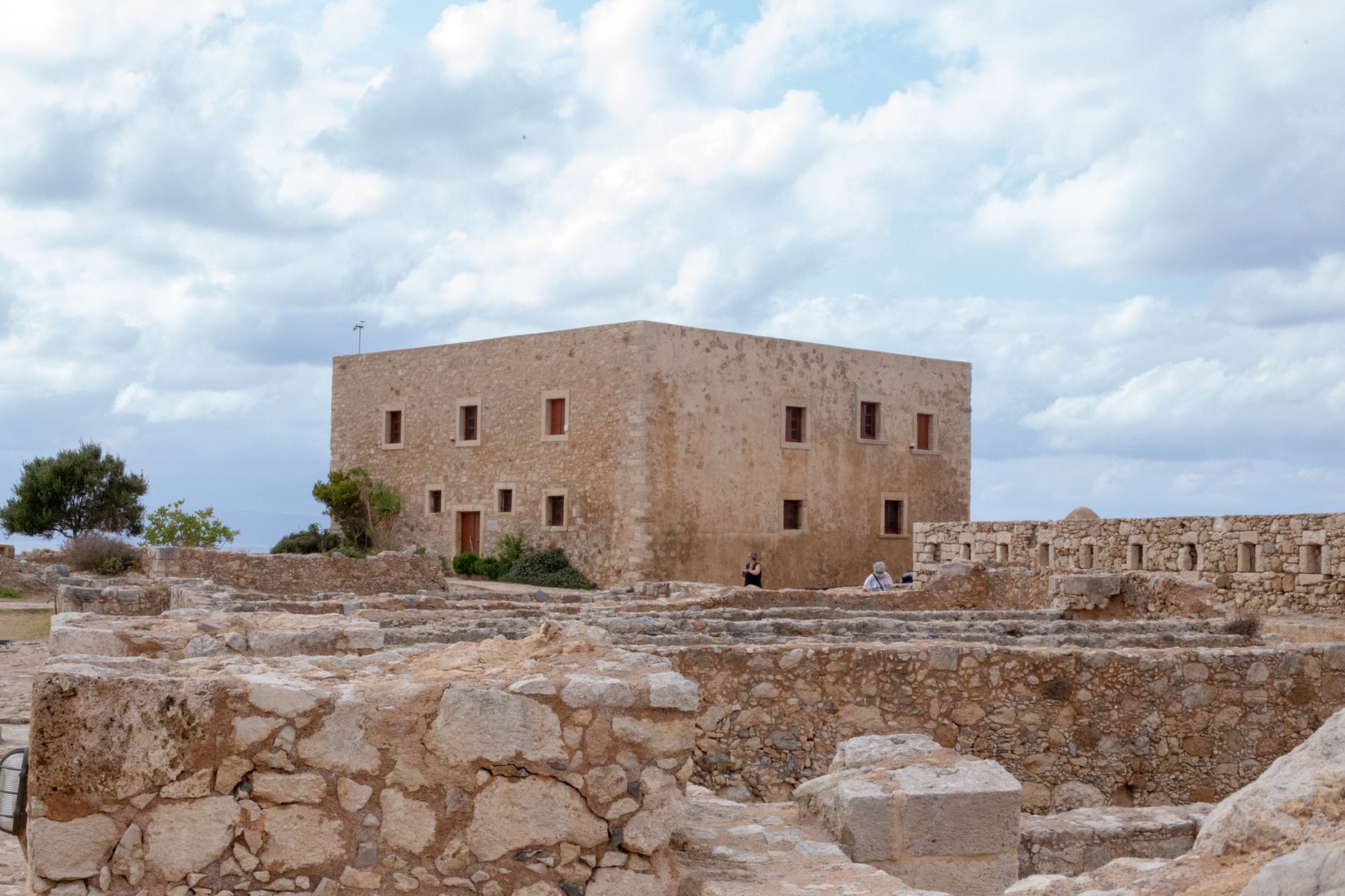
Photo by Hannes Wiberg on Pexels
The Linear A Script Died with the Minoans On April 23, 1900, archaeologist Arthur Evans discovered the Linear A script at Knossos, Crete. Evans, a British excavator, uncovered a significant number of clay tablets inscribed with this unknown script. The discovery was made at the Palace of Knossos, a location that would become instrumental in understanding the Minoan civilization.
What Everyone Knows
Most people think that the Linear A script is an undeciphered writing system used by the Minoans, and that its meaning remains a mystery. The standard story goes that the script was used for administrative purposes, such as record-keeping and trade, but the details of its use and significance are not well understood. The Linear A script is often mentioned in the context of the Minoan civilization, but its specific role and importance are not clearly defined.
What History Actually Shows
Historian John Chadwick actively investigated the Linear A script, and his book "The Decipherment of Linear B" provides valuable insights into the differences between Linear A and Linear B. In 1952, Chadwick and Michael Ventris collaborated to decipher Linear B, which helped to shed light on the Minoan and Mycenaean civilizations. On June 1, 1953, Ventris published his findings, which included the discovery that Linear B was used to write an early form of Greek. Archaeologist Leonard Palmer also contributed to the understanding of the Linear A script, suggesting that it was used by the Minoans from around 1800 to 1450 BCE. The Linear A script was used exclusively by the Minoans, and its use ceased abruptly around 1450 BCE, coinciding with the decline of the Minoan civilization. By examining the work of these historians and the primary documents they used, such as the clay tablets discovered by Evans, it becomes clear that the Linear A script played a significant role in the Minoan civilization. In 1908, Evans published his findings on the Linear A script, which included the discovery of several hundred clay tablets inscribed with the script. The tablets were found in various locations, including the Palace of Knossos and the surrounding areas, and they provide valuable information about the administrative and economic activities of the Minoans.
The Part That Got Buried
Historians like Sir Arthur Evans and institutions such as the British School at Athens played a significant role in overshadowing the story of Linear A by focusing primarily on the decipherment of Linear B, which was used by the Mycenaeans. Evans, in particular, was instrumental in promoting the idea that the Minoans were a peaceful, artistic people, while the Mycenaeans were the true power brokers of the ancient Aegean. This narrative shift led to a lack of attention being given to the Linear A script, which was seen as too complex and difficult to decipher. The decision by the British School at Athens to concentrate their research efforts on the palaces of Knossos and Mycenae, rather than the smaller Minoan settlements where Linear A was more commonly used, further contributed to the neglect of this aspect of Minoan history. As a result, the story of Linear A was slowly buried under the weight of more prominent historical narratives.
The Ripple Effect
The loss of Linear A has had a direct impact on our understanding of the Minoan civilization, with many of their records and stories remaining inaccessible to us. The people most affected by this are scholars of ancient history, who are forced to rely on incomplete and indirect sources of information. One specific modern thing that traces directly back to this event is the design of the modern Cretan alphabet, which was influenced by the discovery of Linear B but does not incorporate any elements of Linear A, highlighting the significant gap in our knowledge of Minoan writing systems.
The Line That Says It All
The Linear A script remains undeciphered, a lasting reminder of the significant cultural and historical losses that occurred with the decline of the Minoan civilization.
A Note on Sources
This article draws on historical records, documented accounts, and academic research related to the Minoan civilization and the history of Linear A and Linear B scripts.