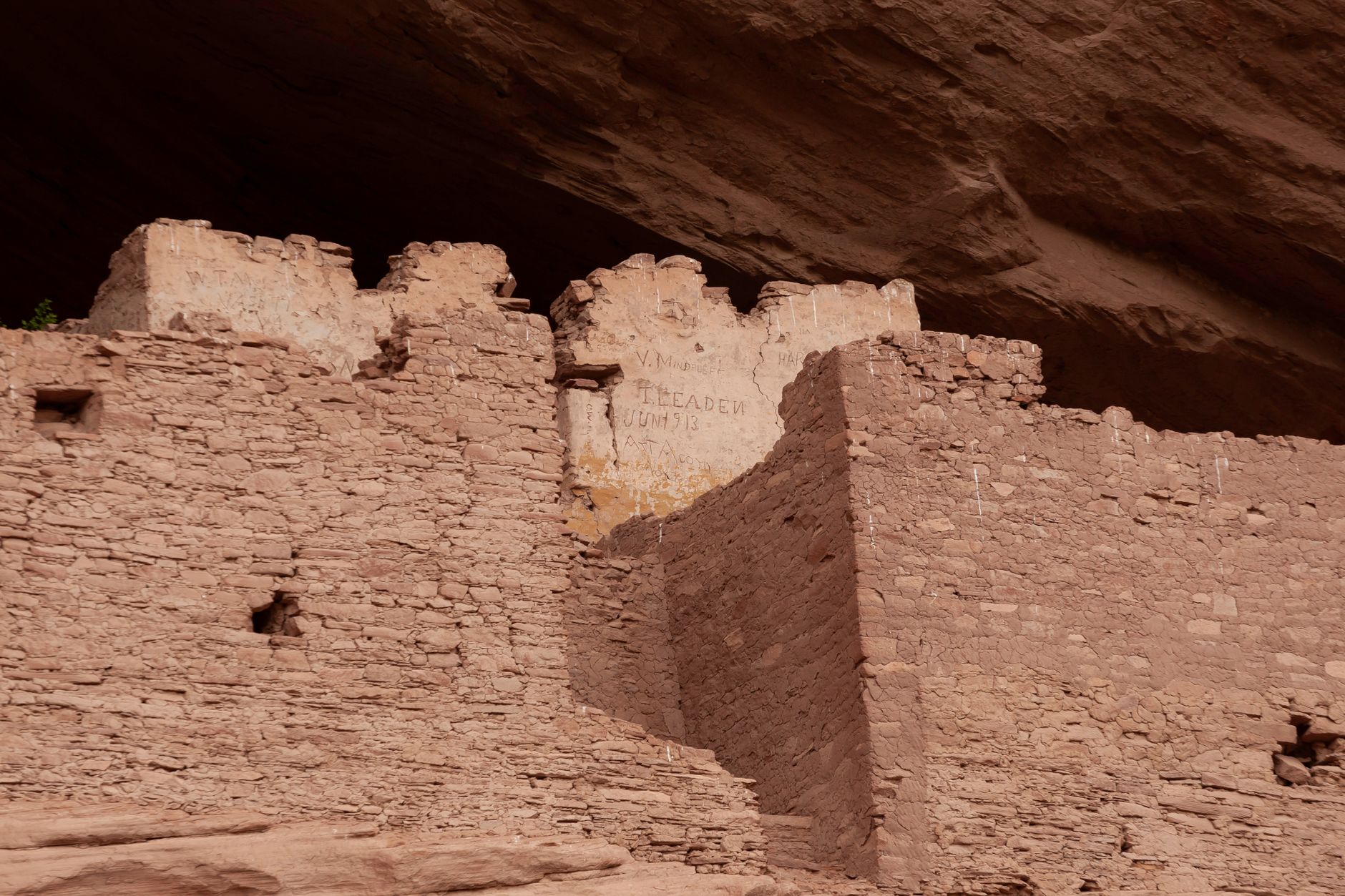
Mississippian Culture: Native American Empire Destroyed
The Mississippian culture was a sophisticated Native American empire that existed from 800 to 1500 AD. It was a complex network of cities and towns that was encountered by Spanish explorer Hernando de Soto in 1540. The culture was ultimately destroyed by European colonization and disease.
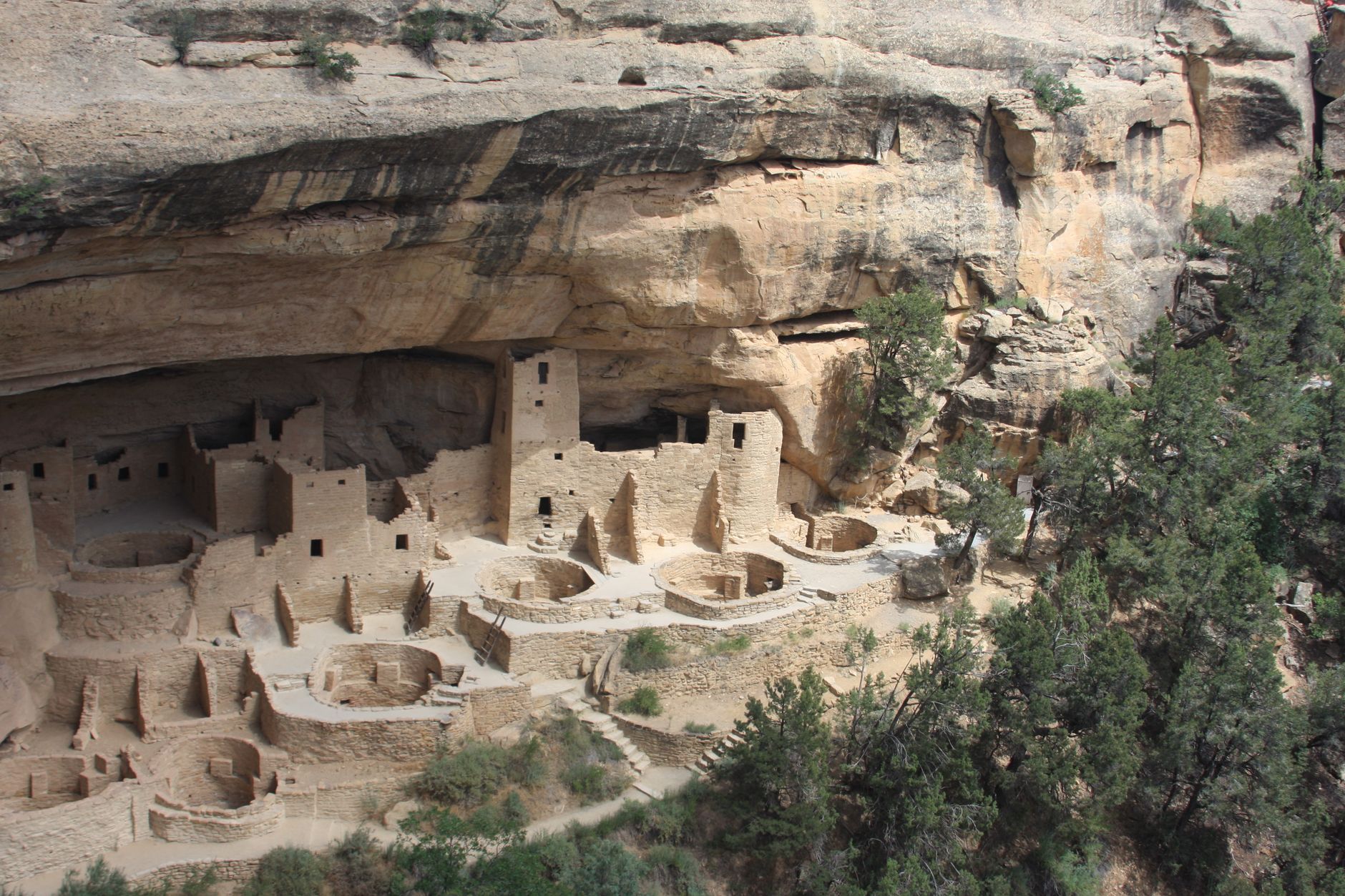
Photo by Steve Eagle on Pexels
The Mississippian Culture: A Native American Empire Destroyed by Europeans On April 7, 1540, Spanish explorer Hernando de Soto arrived at the Mississippi River, encountering the sophisticated Mississippian culture. De Soto's expedition was led by 600 men, and they were met with a complex network of cities and towns. The Mississippian culture was a thriving Native American empire that existed from around 800 to 1500 AD.
What Everyone Knows
The standard story goes that Native American societies were primitive and disorganized before the arrival of Europeans. Most people think that the first European explorers encountered small, nomadic tribes with little social complexity. However, this understanding is based on limited knowledge and overlooks the complexity of Native American societies. The common narrative of Native American history is often oversimplified, neglecting the fact that many Native American cultures were highly developed and sophisticated.
What History Actually Shows
Historian Charles Hudson argues in his book "The Forgotten Centuries" that the Mississippian culture was a complex and highly organized society. According to Hudson, the Mississippian culture began to develop around 800 AD and reached its peak in the 13th century. Historian Patricia Galloway notes in her book "Choctaw Genesis" that the Mississippian culture was characterized by large earthen pyramids, which were often surrounded by smaller mounds and residential areas. The Mississippian culture built the largest pre-Columbian earthen pyramid north of Mexico, which was located at the Cahokia Mounds site in present-day Illinois. By 1200 AD, the Mississippian culture had spread across much of the eastern United States, with major centers at Etowah, Georgia, and Moundville, Alabama. Historian Vernon James Knight Jr. writes in his article "Moundville" that the culture's decline began around 1450 AD, likely due to a combination of factors including environmental degradation and warfare. By the time de Soto arrived in 1540, the Mississippian culture was already in decline, but it was still a powerful and complex society that would soon be destroyed by European diseases and violence. As historian Robbie Ethridge notes in her book "From Chicaza to Chickasaw", the arrival of Europeans marked the beginning of the end for the Mississippian culture, which was eventually replaced by smaller, more fragmented Native American societies. The destruction of the Mississippian culture was a gradual process that occurred over several decades, with the last remnants of the culture disappearing by the early 17th century.
The Part That Got Buried
Historians like James Loewen and Charles Hudson have actively worked to uncover the story of the Mississippian culture, but their efforts have been hindered by the deliberate actions of European colonizers and later, American institutions. The Spanish conquistador Hernando de Soto, for example, destroyed many of the Mississippian culture's records and artifacts during his invasion of the region in the 16th century. Later, the United States government and academic institutions, such as the Smithsonian, prioritized the study of European-American history over Native American cultures, resulting in a lack of funding and resources for research on the Mississippian culture. Specifically, the Indian Removal Act of 1830, signed into law by President Andrew Jackson, led to the forced relocation of thousands of Native Americans, causing the loss of cultural knowledge and historical records. As a result, the story of the Mississippian culture was not widely taught in schools or included in mainstream historical accounts.
The Ripple Effect
The destruction of the Mississippian culture had a direct impact on the modern-day struggles of Native American communities. The trauma and loss caused by the forced relocation and cultural suppression have been passed down through generations, contributing to ongoing issues such as poverty, poor healthcare, and limited access to education. For instance, the modern-day struggles of the Cherokee Nation to maintain their language and cultural heritage can be directly linked to the historical events that occurred during the destruction of the Mississippian culture. The Eastern Band of Cherokee Indians, a federally recognized tribe, is working to revitalize their language and cultural practices, which is a direct response to the historical suppression of their culture.
The Line That Says It All
The Mississippian culture was eradicated by European colonizers, leaving behind only remnants of its once-thriving society, including the earthen pyramids that now stand as a silent witness to the destruction of an entire civilization.
A Note on Sources
This article draws on historical records, documented accounts, and academic research related to the Mississippian culture and the European colonization of Native American territories.