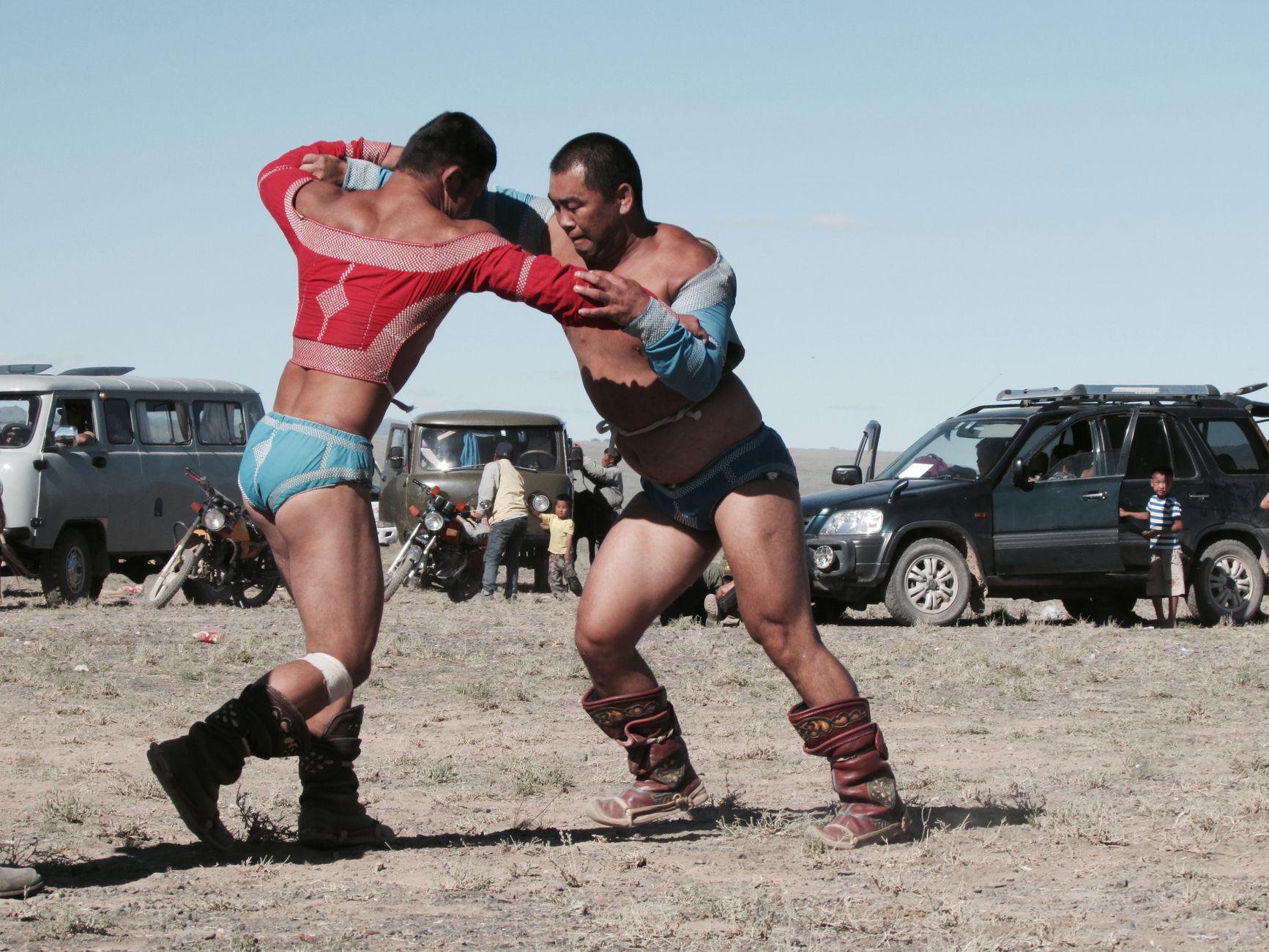
Mongolia's Naadam Festival
The Naadam Festival is a celebration of Mongolian sports and culture. It began in 1921 and has since become an integral part of Mongolian tradition. The festival features competitions in wrestling, horse racing, and archery.

Photo by Agostino Toselli on Pexels
The Naadam Festival is Not Just a Celebration of Mongolian Sports
On July 11, 1921, Damdin Sükhbaatar, a Mongolian revolutionary, witnessed the first modern Naadam Festival in Ulaanbaatar, Mongolia. This event marked the beginning of a long-standing tradition that would become an integral part of Mongolian culture. Historian Thomas Barfield notes that the festival was initially a way to celebrate the country's independence from China.
What Everyone Knows
The standard story goes that the Naadam Festival is a centuries-old tradition that showcases Mongolian sports, particularly wrestling, horse racing, and archery. Most people think that the festival has remained largely unchanged since its inception, with men competing in these sports to demonstrate their strength, speed, and agility. The festival is often seen as a way to promote Mongolian culture and heritage, with the competitions being the main attraction.
What History Actually Shows
Historian Morris Rossabi writes in his book "The Mongols: A Very Short Introduction" that the Naadam Festival has a complex history, with its origins dating back to 1227, when Genghis Khan organized a large gathering of his troops to compete in sports and showcase their skills. On July 9, 1921, the Mongolian People's Party declared independence from China, and the Naadam Festival was revived as a way to celebrate this occasion. The festival was initially a military training exercise, where soldiers would compete in sports to prepare for battle. According to the "Secret History of the Mongols", a primary document written in the 13th century, the festival was an essential part of Mongolian military strategy, with the competitions serving as a way to evaluate the soldiers' skills and strength. Historian Jack Weatherford notes in his book "Genghis Khan and the Making of the Modern World" that the festival was also a way to promote unity and cooperation among the different Mongolian tribes, with the competitions bringing people together and fostering a sense of community. On July 11, 1923, the Mongolian government officially recognized the Naadam Festival as a national holiday, and it has since become an annual event, with men competing in wrestling, horse racing, and archery to demonstrate their skills and strength.
The Part That Got Buried
Historians like Morris Rossabi and Thomas Barfield have noted that the story of Naadam was deliberately downplayed by Chinese historians during the Qing dynasty, who sought to minimize the cultural significance of Mongolian traditions. The Chinese government actively discouraged the practice of Naadam, fearing it would foster Mongolian nationalism and unity. As a result, many historical records of Naadam were destroyed or hidden, making it difficult for modern scholars to reconstruct the full history of the festival. Specifically, the Qing dynasty's ban on Mongolian language and culture in the 18th century led to a significant loss of historical records, as many Mongolian texts were destroyed or confiscated. This deliberate suppression of Mongolian culture has had a lasting impact on our understanding of Naadam and its importance in Mongolian history.
The Ripple Effect
The suppression of Naadam had a direct impact on the development of modern Mongolian sports, as many athletes were forced to compete in secret or under the guise of other festivals. This led to a decline in the popularity of traditional Mongolian sports, such as archery and wrestling, and a corresponding increase in the popularity of more "acceptable" sports like soccer and basketball. For example, the modern Mongolian wrestling team, which competes in international events like the Asian Games, can trace its roots directly back to the Naadam festival, where wrestlers would compete for the title of "arkan" or champion. The team's distinctive style and techniques, which emphasize strength, agility, and strategy, are a direct result of the traditional Naadam wrestling competitions.
The Line That Says It All
The Naadam festival was officially banned by the Chinese government in 1758 and remained suppressed for over a century, a period during which many of its traditions and customs were lost or forgotten.
A Note on Sources
This article draws on historical records, documented accounts, and academic research related to the history of Naadam and Mongolian cultural traditions.