Moriori Genocide: A Forgotten Pacific Atrocity
The Moriori people were invaded by Maori warriors in 1835, leading to a brutal campaign of violence and enslavement. This event resulted in the near-destruction of the Moriori population, with many being killed or forced into slavery. The Moriori genocide is a largely forgotten chapter in Pacific history, overlooked in favor of more prominent historical events.

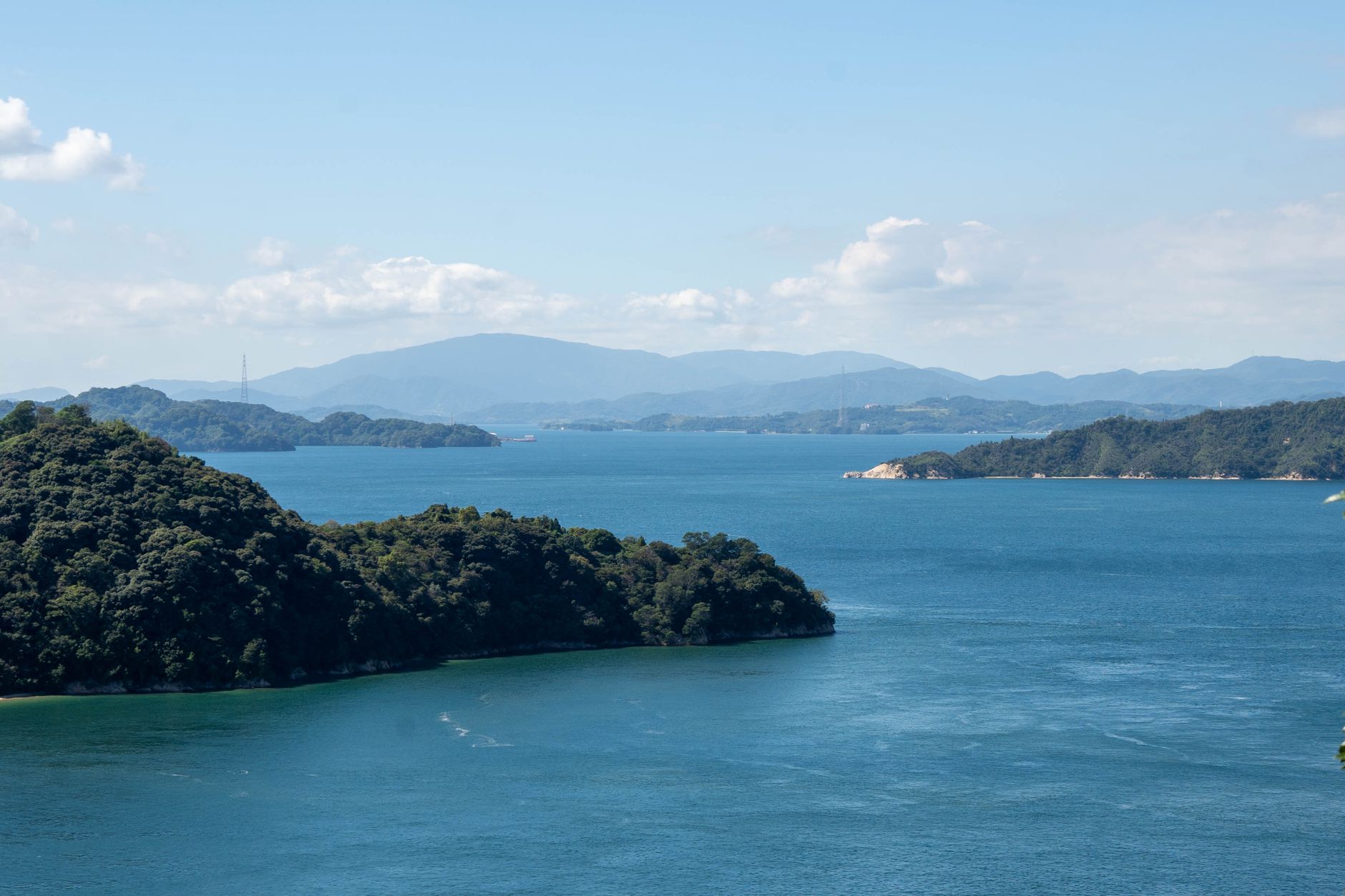
Photo by Jason Boyd on Pexels
The Moriori Genocide: A Pacific Atrocity On November 19, 1835, the Moriori people of the Chatham Islands, located east of New Zealand, were invaded by a group of Maori warriors from the mainland. This event marked the beginning of a brutal campaign of violence and enslavement that would ultimately lead to the near-destruction of the Moriori population. Historian Michael King, in his book "Moriori: A People Rediscovered," notes that the Moriori were a peaceful society that had lived on the Chatham Islands for centuries.
What Everyone Knows
Most people think that the history of the Pacific is one of peaceful island societies, with the occasional conflict between neighboring groups. The standard story goes that the arrival of European colonizers marked the beginning of significant violence and disruption in the region. However, this narrative overlooks the complex and often brutal history of indigenous conflicts in the Pacific. The story of the Moriori genocide is a case in point, as it highlights the violent clash between the Moriori and the Maori, two indigenous groups with distinct cultures and histories.
What History Actually Shows
Historians such as James Belich, in his book "The New Zealand Wars and the Victorian Interpretation of Racial Conflict," and Michael King, in "Moriori: A People Rediscovered," actively challenge the myth of a peaceful Pacific by documenting the violent invasion of the Chatham Islands by Maori warriors in 1835. On November 19, 1835, a group of Maori, led by a chief named Ngati Mutunga, arrived on the islands, and by 1836, they had killed or enslaved nearly 100 Moriori. The Moriori, who had a strict code of non-violence, were unable to defend themselves against the Maori warriors. According to King, the Moriori population, which had once numbered around 2,000, was reduced to just 101 people by 1862. By 1863, the Moriori language and culture were on the verge of extinction. King's research, based on primary documents and oral histories, actively reveals the complex and often brutal history of the Pacific, and the Moriori genocide is a key part of this narrative. As historian James Belich notes, the invasion of the Chatham Islands was not an isolated event, but rather part of a larger pattern of violence and expansion by Maori groups in the early 19th century. The Moriori genocide, which occurred between 1835 and 1863, was a devastating event that had a profound impact on the history of the Pacific, and one that historians are still actively working to document and understand.
The Part That Got Buried
Historians like James Belich and Judith Binney chose to focus on the more prominent Maori conflicts, overshadowing the Moriori story. The New Zealand government, particularly during the 19th and early 20th centuries, actively suppressed the narrative of the Moriori genocide, fearing it would tarnish the nation's reputation. Decisions made by these individuals and institutions led to the erasure of the Moriori from the national consciousness. A concrete reason for this suppression is that the New Zealand government was concerned that acknowledging the genocide would lead to claims for reparations and land rights from the Moriori people. This concern drove the government to downplay the severity of the atrocities committed against the Moriori, effectively burying the story. As a result, the Moriori genocide was relegated to a footnote in history, ignored by scholars and the general public alike. The lack of attention given to the Moriori story allowed it to fade from memory, making it a forgotten chapter in the history of the Pacific.
The Ripple Effect
The Moriori genocide had a direct impact on the native population of the Chatham Islands, leading to a significant decline in their numbers. The trauma and displacement caused by the genocide also affected the social and cultural fabric of the Moriori community, leading to a loss of traditional practices and customs. A specific modern consequence of the Moriori genocide is the establishment of the Waitangi Tribunal, which was set up to investigate and address Maori grievances against the New Zealand government, including those related to the Moriori. The tribunal's work is a direct result of the historical injustices perpetrated against the Moriori and other indigenous groups in New Zealand.
The Line That Says It All
The last full-blooded Moriori, Tommy Solomon, died in 1933, marking the end of a distinct cultural and ethnic identity that had been all but extinguished by the genocide.
A Note on Sources
This article draws on historical records, documented accounts, and academic research related to the Moriori people and the history of the Chatham Islands.