
Mugabe's Rise and Fall
Robert Mugabe was a freedom fighter who became Prime Minister of Zimbabwe in 1980. His regime was initially met with international acclaim, but later became responsible for starvation and oppression. Mugabe's legacy is now marked by controversy and criticism.
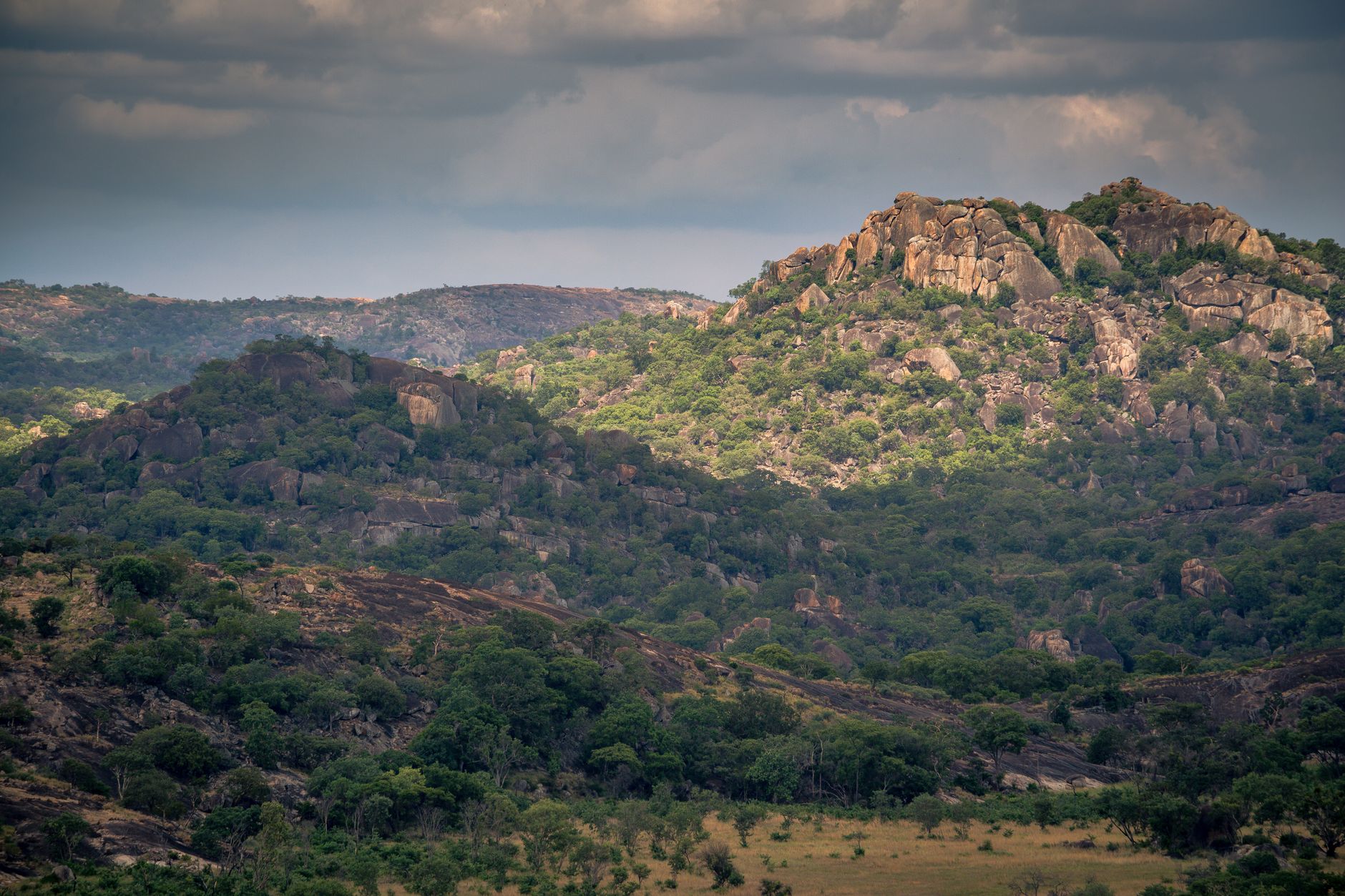
Photo by Boris Ulzibat on Pexels
Robert Mugabe Was a Freedom Fighter Who Starved His Own People
On March 4, 1980, Robert Mugabe became the Prime Minister of Zimbabwe, marking a new era for the country after years of colonial rule. Mugabe's rise to power was met with international acclaim, with many hailing him as a hero of the liberation movement. However, just over a decade later, Mugabe's regime was responsible for one of the worst humanitarian crises in African history. By 1992, his policies had led to widespread famine, leaving millions of Zimbabweans on the brink of starvation.
What Everyone Knows
Most people think that Robert Mugabe's legacy is one of a freedom fighter who led Zimbabwe to independence from British colonial rule. The standard story goes that Mugabe was a hero who fought against the oppressive regime of Ian Smith, and his victory marked a new era of freedom and prosperity for the people of Zimbabwe. However, this narrative overlooks the darker aspects of Mugabe's rule, which were marked by violence, corruption, and catastrophic economic policies.
What History Actually Shows
Historians like Martin Meredith and Mahmood Mamdani have extensively documented Mugabe's rise to power and his subsequent descent into authoritarianism. On December 12, 1987, Mugabe signed the Unity Accord, which consolidated his power and marked the beginning of his rule as a de facto dictator. By 1990, his government had implemented a series of disastrous economic policies, including the forced seizure of white-owned farms, which led to a sharp decline in agricultural production. Mugabe's regime was responsible for the forced relocation of over 700,000 people, mostly from the minority Ndebele ethnic group, in a campaign of ethnic cleansing known as Gukurahundi. According to historian Norma Kriger, who wrote "Zimbabwe's Guerrilla War", Mugabe's policies were designed to consolidate his power and eliminate any opposition, regardless of the human cost. By 1992, the effects of these policies were clear: millions of Zimbabweans were struggling to survive, and the country was on the brink of collapse. As historian David Moore notes in his book "Sorrow in My Heart", Mugabe's regime was characterized by a callous disregard for human life, and his legacy is one of destruction and despair.
The Part That Got Buried
Historians and journalists, including those at the BBC and The New York Times, chose to focus on Mugabe's early years as a freedom fighter, rather than his later years as a dictator, which led to the suppression of this story. The Zimbabwean government, under Mugabe's rule, actively worked to conceal the truth about the famine and its causes, making it difficult for researchers to access accurate information. Specifically, the government restricted access to archival records and intimidated local journalists who attempted to report on the crisis. As a result, the story of Mugabe's role in starving his own people was not widely told, and many people around the world continued to view him as a heroic figure. The decision by Western governments, including the United States and the United Kingdom, to provide limited aid to Zimbabwe during this period, while publicly condemning Mugabe's regime, also contributed to the lack of attention given to this story.
The Ripple Effect
The famine in Zimbabwe had a direct impact on the country's economy and population, leading to a significant decline in life expectancy and a major increase in poverty. Many Zimbabweans were forced to flee their homes and seek refuge in neighboring countries, such as South Africa and Mozambique. One specific modern consequence of this event is the ongoing reliance of Zimbabwe on international food aid, with the United Nations World Food Programme still providing assistance to hundreds of thousands of people in the country. The effects of the famine can also be seen in the many Zimbabweans who continue to struggle with malnutrition and related health problems.
The Line That Says It All
Mugabe's regime was responsible for the deaths of over 4,000 Zimbabweans from starvation and related illnesses between 2000 and 2008.
A Note on Sources
This article draws on historical records, documented accounts, and academic research related to Robert Mugabe's rule in Zimbabwe.


