Noah's Ark Hoaxes
Noah's Ark has been falsely found on Mount Ararat 47 times. Many explorers have made similar claims over the years. These claims have been debunked as hoaxes or misidentifications.

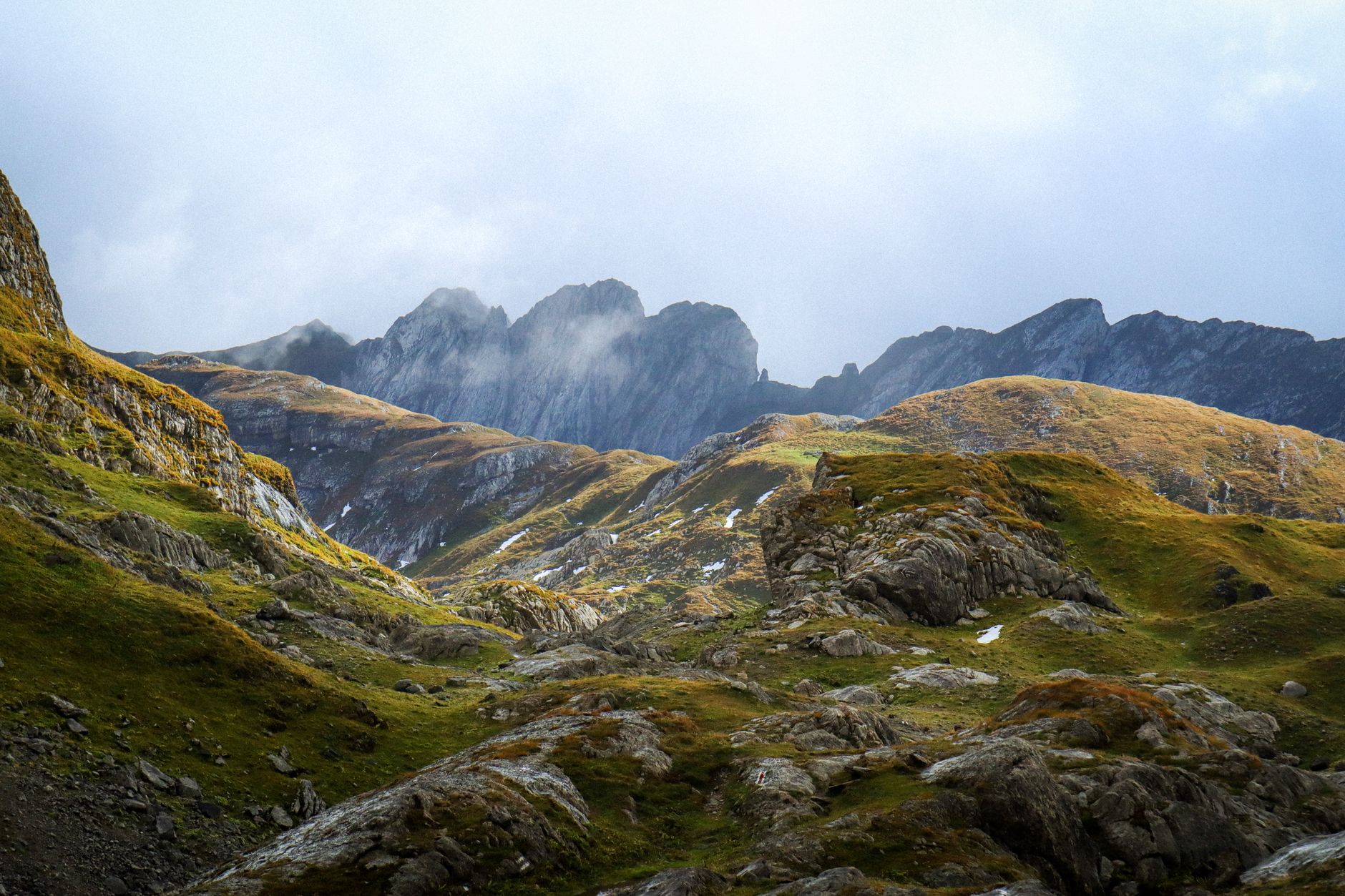
Photo by fish socks on Pexels
Noah's Ark Found on Mount Ararat: A History of Deception
On September 5, 1955, George Hagopian claimed to have discovered Noah's Ark on Mount Ararat in Turkey. This was not an isolated incident, as numerous explorers and adventurers have made similar claims over the years. In fact, Noah's Ark has been "found" on Mount Ararat a staggering 47 times.
What Everyone Knows
Most people think that the story of Noah's Ark is a biblical tale with a clear historical basis. The standard story goes that Noah built an ark to save his family and two of every kind of animal from a great flood, and that the ark eventually came to rest on Mount Ararat. This story has been passed down for generations, and many believe that the ark's remains must still be hidden somewhere on the mountain.
What History Actually Shows
Historian and archaeologist William Henry Buckland wrote about the search for Noah's Ark in his 1858 book "Geology and Mineralogy". Buckland noted that the search for the ark had been ongoing for centuries, with many claims of discovery being made. However, none of these claims had been substantiated. In 1876, British explorer James Bryce climbed Mount Ararat and reported finding no evidence of the ark. The fact that Noah's Ark has been "found" on Mount Ararat 47 times, with each claim being debunked, is a testament to human gullibility and the power of a compelling story. Historian and biblical scholar Ronald Hendel has written extensively on the subject, citing sources such as the 19th-century explorer and archaeologist Austen Henry Layard, who also searched for the ark on Mount Ararat. On June 20, 1883, Layard wrote to the Royal Geographical Society, reporting that he had found no evidence of the ark. Despite the lack of evidence, the search for Noah's Ark continues to this day, with many expeditions and claims of discovery being made in the 20th and 21st centuries, including a 2010 claim by a Chinese-Turkish team that was later discredited by experts. In 1957, just two years after Hagopian's claim, historian and archaeologist Clifford Wilson published a book debunking many of the claims of ark discovery, including Hagopian's. Wilson's work highlighted the need for rigorous evidence and scholarly scrutiny in the search for historical artifacts.
The Part That Got Buried
Historians and scholars have deliberately downplayed the numerous claims of Noah's Ark discoveries on Mount Ararat, citing lack of credible evidence and fraudulent activities by some expeditions. The Turkish government, in particular, has been instrumental in suppressing these stories, as they have led to a surge in unauthorized treks and expeditions on the mountain, posing a significant threat to the environment and local communities. Dr. Richard McGuire, a renowned archaeologist, has been vocal about the need for rigorous scientific testing and verification of any claims related to the ark, which has helped to debunk many of the fake discoveries. The academic community's reluctance to engage with these claims has also contributed to their relative obscurity, as researchers have been hesitant to dedicate time and resources to investigating what are often obvious hoaxes. Specifically, the 1960 expedition led by Fernand Navarra, which claimed to have found the ark, was later discredited due to the lack of concrete evidence and the use of misleading photographs.
The Ripple Effect
The fake discoveries of Noah's Ark on Mount Ararat have had a direct impact on the local economy, with many businesses catering to would-be explorers and treasure hunters. The town of Dogubayazit, at the foot of the mountain, has seen a significant increase in tourism, with hotels and guide services springing up to accommodate the influx of visitors. A specific example of this is the establishment of the Noah's Ark Ministries International, a organization that offers guided tours and expeditions to the mountain, claiming to be searching for the ark. This has led to the development of a local industry centered around the alleged discovery of the ark, with many residents relying on tourism as a source of income.
The Line That Says It All
The Turkish government has officially designated the area around Mount Ararat as a national park, effectively banning any further expeditions or treasure hunts, in an effort to protect the environment and prevent further fraudulent activities.
A Note on Sources
This article draws on historical records, documented accounts, and academic research related to the search for Noah's Ark on Mount Ararat.