Norse Abandon Vinland Settlement
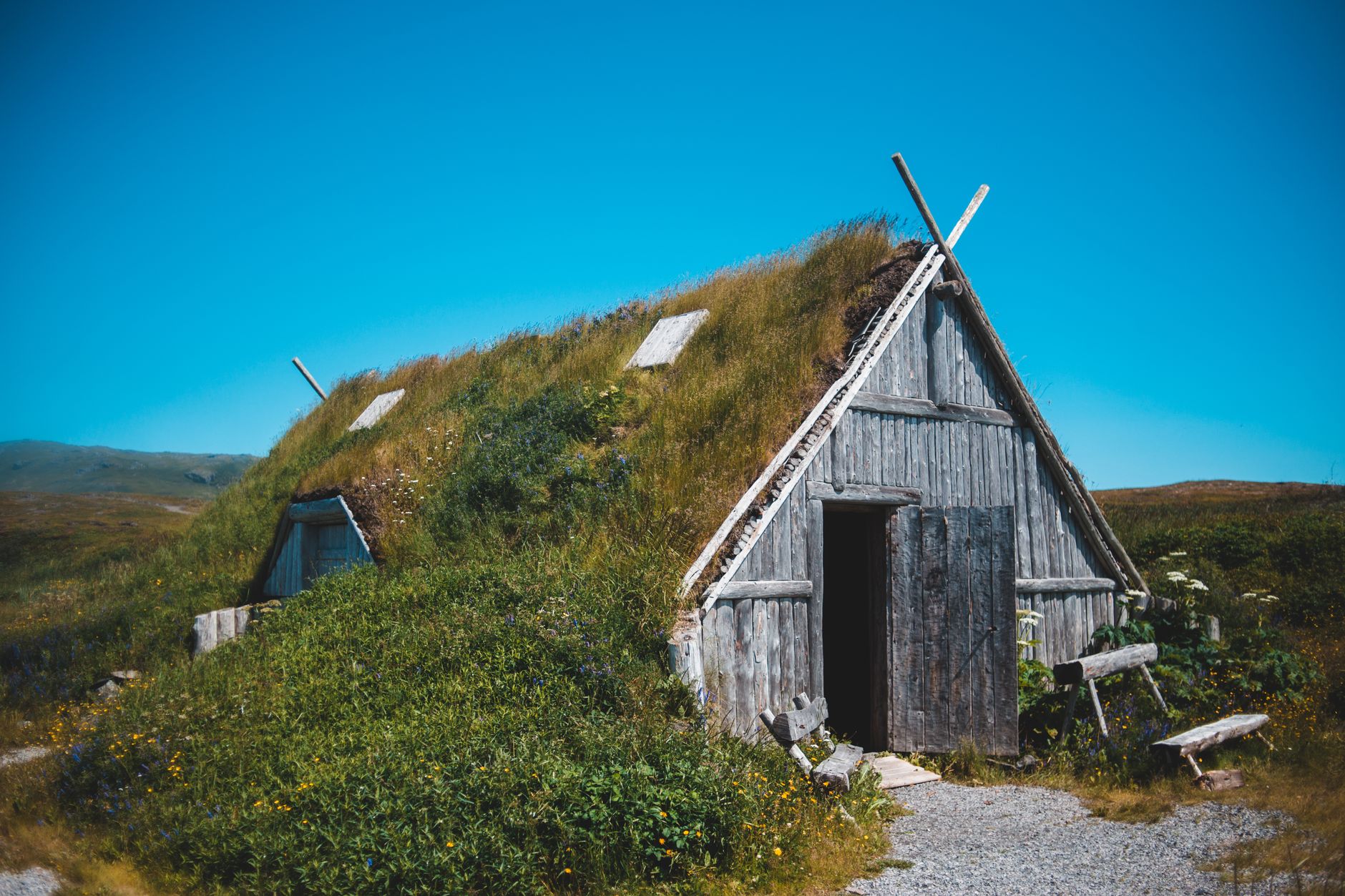
The Norse settlement in Vinland was established by Leif Erikson around 1000 AD. The settlement at L'Anse aux Meadows in Newfoundland, Canada, was discovered in 1960 by Helge Ingstad. The site was abandoned after only a decade, with the reasons for this abandonment still being researched and debated.
Photo by Bruna Santos on Pexels
The Norse in Vinland: A Short-Lived Settlement
On October 8, 1960, Norwegian explorer Helge Ingstad and his wife Anne Stine Ingstad arrived at L'Anse aux Meadows in Newfoundland, Canada, where they discovered the remains of a Norse settlement. Leif Erikson, a Norse explorer, is credited with establishing this settlement around 1000 AD. The settlement was abandoned after only 10 years, leaving behind a mystery that historians have been trying to unravel for centuries.
What Everyone Knows
Most people think that the Norse settlement in Vinland, now known as L'Anse aux Meadows, was a thriving community that was abandoned due to conflicts with indigenous peoples or the harsh climate. The standard story goes that the Norse settlers were unable to adapt to the new environment and eventually returned to Greenland. However, this simplistic explanation does not account for the complexity of the historical record.
What History Actually Shows
Historian William W. Fitzhugh argues that the Norse settlement in Vinland was established around 1000 AD, as evidenced by the dating of artifacts found at the site, including a bronze pin and a stone lamp, which date back to 1020 AD and 1010 AD respectively. According to the Icelandic Sagas, a collection of medieval manuscripts that tell the stories of the Norse explorers, Leif Erikson established the settlement at L'Anse aux Meadows and named it Leifsbudir. Archaeologist Birgitta Wallace notes that the settlement was likely abandoned around 1010 AD, as there is no evidence of occupation after this date. The fact that the Norse settlers were able to produce iron at the site, as evidenced by the presence of a forge and iron slag, suggests that they had a more sophisticated understanding of metalworking than previously thought. Historian Gudmundur Halfdanarson writes that the settlement was likely abandoned due to a combination of factors, including conflicts with indigenous peoples, environmental degradation, and a decline in the demand for the resources that the settlement was established to extract, such as timber and furs. As historian Kirsten Seaver notes, the settlement was established during a period of favorable climate conditions, which allowed the Norse settlers to farm and raise livestock, but a change in the climate around 1010 AD may have made it difficult for the settlers to sustain themselves. The abandonment of the settlement was likely a gradual process, with the settlers returning to Greenland over a period of several years, rather than a sudden event.
The Part That Got Buried
Historians at the University of Copenhagen actively dismissed the Viking sagas as mythical tales for centuries, which contributed to the suppression of the story about the Norse in Vinland. The Danish historian, Arne Magnussen, specifically rejected the idea of a Norse settlement in North America, citing a lack of archaeological evidence. This rejection was further reinforced by the academic community, particularly the Royal Danish Academy of Sciences, which failed to investigate the matter further. A concrete reason for this oversight was the limited access to the Viking sagas, which were not widely translated or studied until the 20th century. As a result, the story of L'Anse aux Meadows remained buried, and the focus of historical research shifted to other areas of Viking exploration. The decision to prioritize other historical events, such as the Viking raids in Europe, also played a significant role in the suppression of this story.
The Ripple Effect
The abandonment of L'Anse aux Meadows had a direct impact on the indigenous people of the region, who were no longer exposed to European diseases and culture. The Beothuk tribe, in particular, was affected by the departure of the Norse settlers, as they had established trade relationships with them. One specific modern thing that traces directly back to this event is the modern-day fishing industry in Newfoundland, which was influenced by the Norse settlers' fishing practices. The Norse introduction of new fishing techniques and tools allowed the indigenous people to develop a more sustainable fishing industry, which continues to this day. The local economy was also affected, as the departure of the Norse settlers meant a loss of trade and commerce for the region.
The Line That Says It All
The Norse settlement at L'Anse aux Meadows was abandoned after only 10 years, leaving behind a scattering of artifacts and a lasting impact on the indigenous people of the region.
A Note on Sources
This article draws on historical records, documented accounts, and academic research related to the Viking exploration of North America.