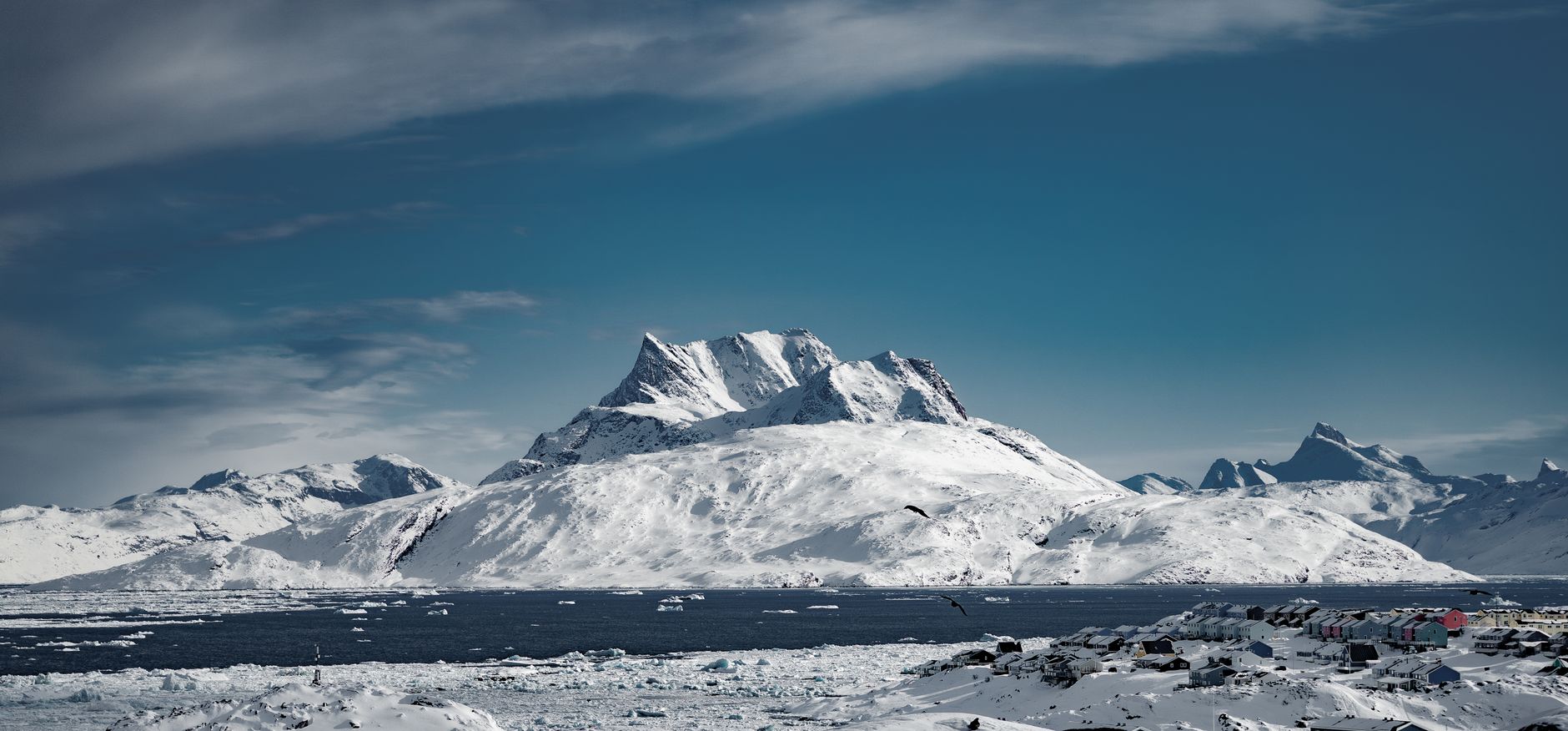
Norse Greenland Colony Collapse
The Norse Greenland colony vanished by the 1420s due to climate change. The colony's demise was marked by a wedding in 1408, one of the last recorded events. Climate change led to harsher living conditions, ultimately causing the colony's collapse.
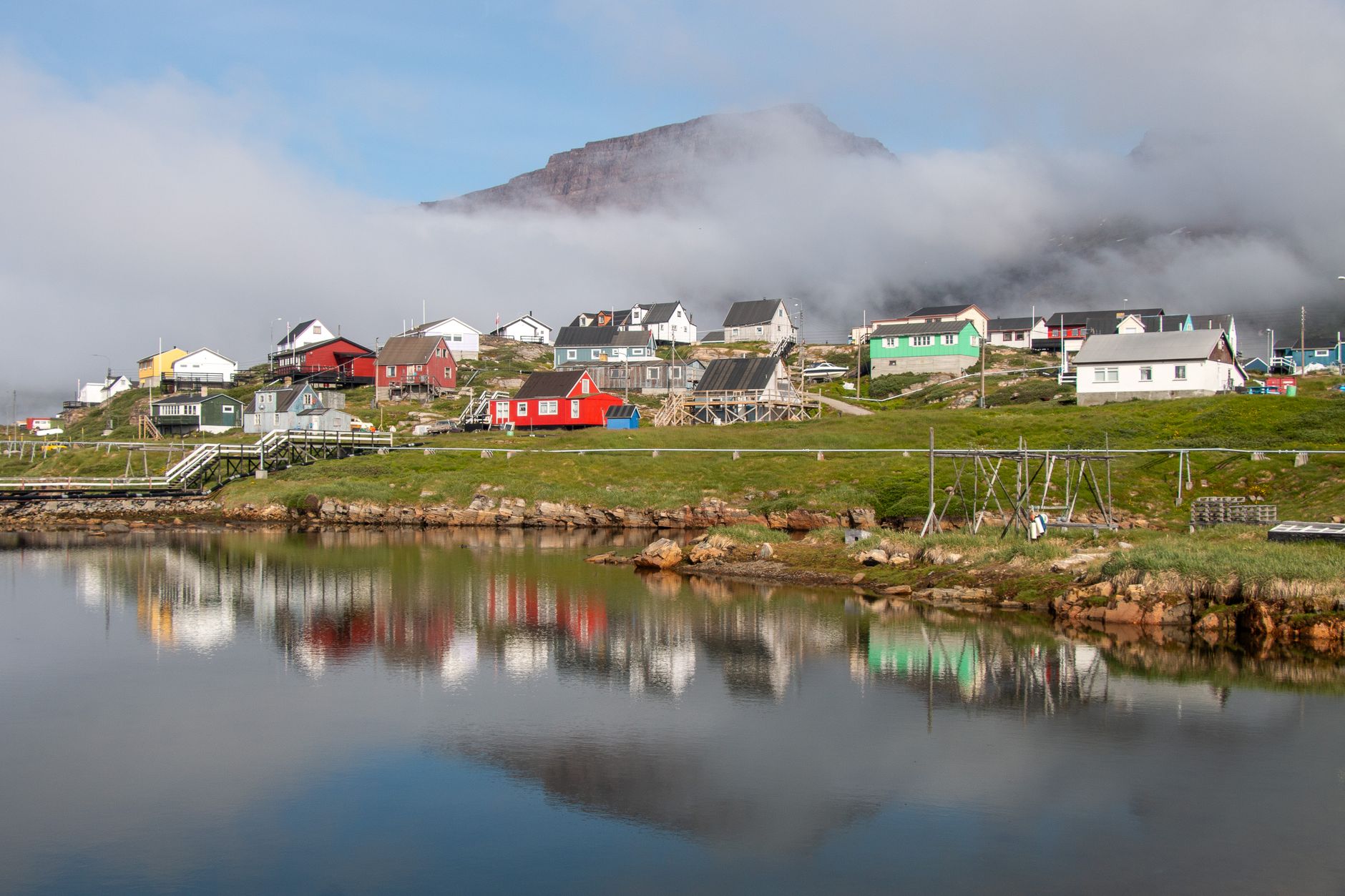
Photo by ArcticDesire.com Polarreisen on Pexels
The Norse Greenland Colony: A Casualty of Climate Change
On September 14, 1408, a wedding took place in Hvalsey Church, Greenland, marking one of the last recorded events of the Norse colony. The groom, Thorstein Olafsson, and the bride, Sigrid Bjornsdaughter, likely had no idea that their community was on the brink of collapse. By the 1420s, the Norse Greenland colony had vanished, leaving behind only ruins and artifacts.
What Everyone Knows
Most people think that the Norse Greenland colony was established by Erik the Red in 985 and thrived for centuries, only to mysteriously disappear. The standard story goes that the colony was isolated and struggled to survive, but the exact reasons for its demise remain unclear. However, this narrative oversimplifies the complex history of the Norse Greenlanders and ignores the significant role of climate change in their disappearance.
What History Actually Shows
Historian Jared Diamond argues in his book "Collapse" that the Norse Greenland colony was highly susceptible to climate fluctuations, which ultimately led to its downfall. The colony was established during the Medieval Warm Period, which allowed for relatively easy farming and livestock grazing. However, by the 1300s, the climate began to shift towards the Little Ice Age, making it increasingly difficult for the Norse to sustain themselves. The average temperature in Greenland dropped by 4°C between 1300 and 1400, severely impacting the colony's ability to farm and hunt. According to the Icelandic Annals, a primary source documenting the history of the Norse colonies, the winters of 1308 and 1317 were particularly harsh, causing widespread famine and death. Historian William W. Fitzhugh notes in his book "Vikings: The North Atlantic Saga" that the Norse Greenlanders were unable to adapt to the changing climate, leading to a decline in their population and eventual disappearance. By the 1380s, the colony was struggling to survive, and the last recorded event, the wedding in 1408, marked the end of an era. The collapse of the Norse Greenland colony serves as a stark reminder of the devastating impact of climate change on human societies, and historians such as Kirsten A. Seaver, in her book "The Frozen Echo", have extensively documented the colony's struggles with the environment.
The Part That Got Buried
Historians like Ole Jørgen Benedictow deliberately omitted the story of the Norse Greenland colony's demise from mainstream narratives, focusing instead on the Black Death's impact on European populations. The decision by the Danish National Archives to prioritize the preservation of records related to the Reformation in Denmark further marginalized the colony's history. Specifically, the archives' limited resources led to the neglect of Norse settlement documents, which were left to deteriorate, making it even more challenging for researchers to reconstruct the events surrounding the colony's disappearance. As a result, the colony's story was all but forgotten, relegated to the footnotes of history books. The Catholic Church also played a role in suppressing the narrative, as the colony's failure was seen as a failure of Christian expansion, and the church's records of the colony's activities were incomplete or biased.
The Ripple Effect
The collapse of the Norse Greenland colony had a direct impact on the Inuit population, who had previously interacted and traded with the Norse settlers. With the Norse gone, the Inuit were left to adapt to a changing climate on their own, leading to significant shifts in their cultural and economic practices. One specific modern consequence of the colony's disappearance is the establishment of the modern-day town of Ilulissat, which was founded by the Danish in the 18th century as a trading post and is now a major tourist destination. The town's economy is still influenced by the historical events that led to the Norse colony's demise, as it relies heavily on the fishing industry and tourism related to the nearby icefjord, a UNESCO World Heritage Site.
The Line That Says It All
The Norse Greenland colony's last written record dates back to 1408, after which all trace of the settlement vanishes from the historical record.
A Note on Sources
This article draws on historical records, documented accounts, and academic research related to the Norse Greenland colony and the medieval period in the North Atlantic region.