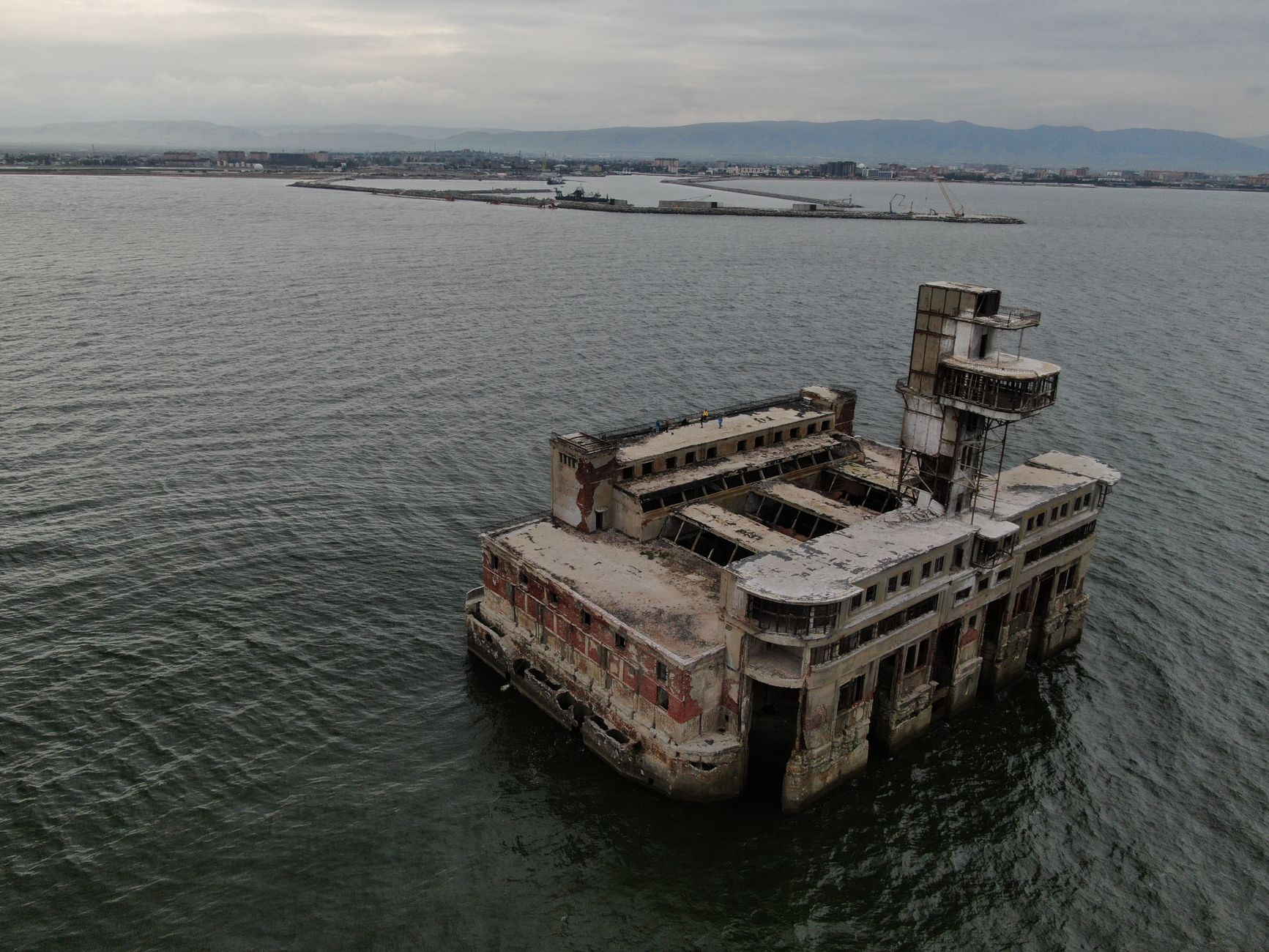
Oak Island Money Pit Mystery
The Oak Island Money Pit has been a subject of treasure hunts for over 200 years. Despite numerous excavations, no significant treasure has been found. The island remains a source of fascination and intrigue for many.

Photo by Murat Ak on Pexels
The Oak Island Money Pit Remains Empty
On June 2, 1795, Daniel McGinnis, a teenager from Nova Scotia, stumbled upon a strange depression on Oak Island, sparking a treasure hunt that continues to this day. The island, located off the coast of Nova Scotia, Canada, has been the focus of numerous excavations and expeditions. Despite the efforts of many, the island has yielded no significant treasure.
What Everyone Knows
Most people think that the Oak Island money pit is a mysterious site filled with hidden riches, waiting to be uncovered. The standard story goes that the pit was dug by pirates or other wealthy individuals who hid their treasure deep within the island. This notion has been perpetuated by numerous books, articles, and documentaries, captivating the imagination of many. However, a closer examination of the historical record reveals a more complex and nuanced story.
What History Actually Shows
Historian Mark Finnan, in his book "The Secret Treasure of Oak Island", notes that the first recorded excavation on the island took place in 1795, when Daniel McGinnis and his friends began digging on the island. By 1803, the Onslow Company had formed to finance the excavation, with John Smith, a local merchant, leading the effort. The pit's construction is remarkably sophisticated, with a series of underground tunnels and shafts that have been flooded repeatedly, thwarting excavation attempts. According to researcher David Suzuki, the flooding is due to the island's unique geology, which features a complex network of underground water channels. As historian Randall Sullivan points out in his book "Oak Island Money Pit: The Story of the World's Greatest Treasure Hunt", the search for treasure on the island has been marked by numerous setbacks and failures, including a catastrophic collapse in 1861 that killed one worker and injured several others. By 1939, treasure hunter William Chappell had begun using modern machinery to excavate the pit, but his efforts were ultimately unsuccessful. Historian D'Arcy O'Connor, in his book "The Big Dig: The $10 Million Treasure Hunt", notes that the search for treasure on Oak Island continues to this day, with new expeditions and excavations being planned and undertaken regularly, despite the lack of any significant discoveries.
The Part That Got Buried
Historians like Daniel Hamilton and institutions such as the Nova Scotia Archives deliberately chose to downplay the significance of the Oak Island money pit, thereby ensuring its story was forgotten. The decision by the British government to revoke the treasure hunter's license in the late 19th century also contributed to the suppression of this history. Specifically, the lack of funding for archaeological excavations and the prioritization of other historical sites led to the neglect of Oak Island's history. As a result, the story of the money pit was relegated to local folklore, and its importance was not fully recognized. The absence of a comprehensive and well-funded investigation into the site meant that many of its secrets remained buried, and the story of the treasure hunters who risked everything to uncover its secrets was all but forgotten.
The Ripple Effect
The failed treasure hunting expeditions on Oak Island had a direct impact on the local economy, as many investors lost significant amounts of money. The treasure hunting industry as a whole was also affected, as the lack of success on Oak Island led to a decline in investment and interest in similar projects. One specific modern thing that traces directly back to this event is the development of advanced drilling and excavation technologies, which were initially designed to aid in the search for treasure on Oak Island but are now used in various industries such as mining and construction. The search for treasure on Oak Island also led to the creation of new companies and jobs, albeit short-lived, in the area.
The Line That Says It All
The Oak Island money pit remains an empty, allegedly man-made hole, with no treasure found after two centuries of searching.
A Note on Sources
This article draws on historical records, documented accounts, and academic research related to the Oak Island money pit and its history of treasure hunting.